August 08, 2016

Meeting of the Interdepartmental Working Group on MAT

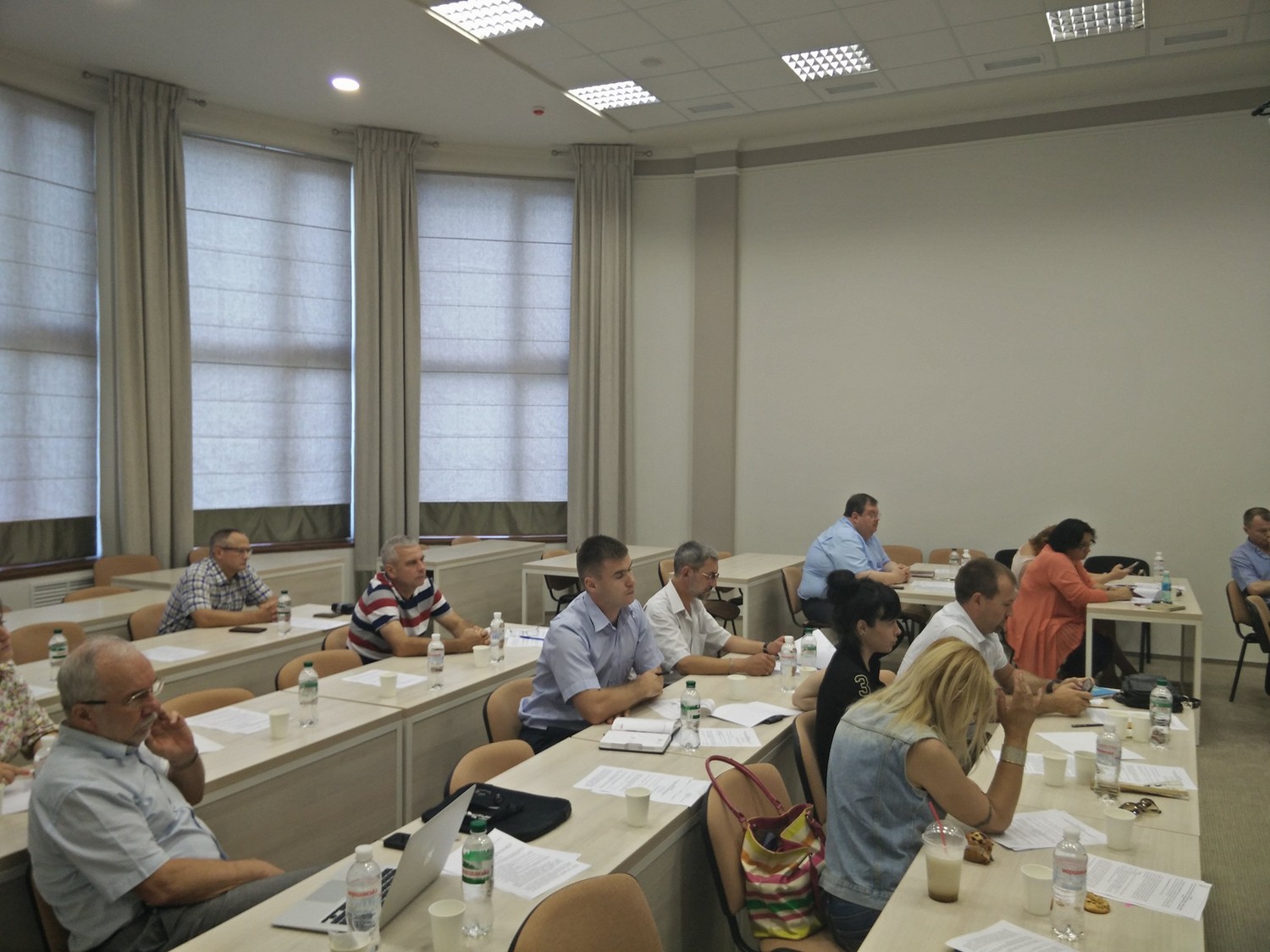
On 5 August 2016, the Ministry of Health of Ukraine hosted the second meeting of the Interdepartmental Working Group on Medication Assisted Treatment at the MoH.

On 5 August 2016, the Ministry of Health (MoH) of Ukraine hosted the second meeting of the Interdepartmental Working Group on Medication Assisted Treatment at the MoH (hereinafter – IWG). The meeting was held with technical and organizational support of the Alliance for Public Health (within the project “Improved Quality and Sustainability of Medication Assisted Treatment in Ukraine”) together with the Ukrainian Center of Socially Dangerous Disease Control.

The key issue of the meeting was introducing the Methodology of calculating the need in drugs to provide medication assisted treatment to patients with mental and behavior disorders associated with the use of opioids for the purposes of drugs procurement within the state budget.

The above Methodology was developed in line with the resolution of the IWG as of 1 July 2016 by representatives of the Ukrainian Center of Socially Dangerous Disease Control and the Alliance for Public Health.

Other questions discussed at the meeting also included organization of an International center for substance abuse treatment and HIV prevention technologies in Ukraine; situation with introduction of the practice of MAT drugs delivery to patients for unsupervised administration in outpatient settings (prescriptions for drugs, delivery within “home care” or directly from treatment institutions), protection of the rights of patients.

During the meeting, information was presented on the current situation with issuance of a joint order of the Ministry of Health of Ukraine, the Ministry of Internal Affairs of Ukraine and the Ministry of Justice of Ukraine “On approval of the procedure of cooperation among healthcare institutions, departments and bodies of the National Police, National Guard of Ukraine, pre-trial detention centers, penitentiary facilities and criminal and executive inspections to ensure the delivery of medication assisted treatment to patients with opioid dependence”. According to the information presented, the draft order is currently in the process of approval by the MoH of Ukraine and will soon be published for public discussion.

Based on the results of the meeting, a decision was made to urgently finalize the developed Methodology of calculating the need in drugs to provide medication assisted treatment for its approval with an order of the MoH of Ukraine, with further steps defined to enhance the partnership in response to patients’ appeals related to violation of their rights and to provide clarifications to regions on the delivery of MAT drugs for unsupervised administration.

More
Share
August 02, 2016

Сompletion of the project on support of the OST patients

More than 390 refugee and IDP OST patients from the Crimea and the ATO area can continue the life-saving treatment!

The Alliance of Public Health (the Alliance) completed the humanitarian project on support of the OST patients – refugees from the Crimea and internally displaced persons from the ATO area, which had been funded by the international organizations for more than 2 years. From May 2014 to June 30, 2016 more than 390 opioid substitution therapy (OST) patients being the refugees from the Crimea and the ATO area, were able not only to relocate in the safe regions of Ukraine, but continue the life-saving treatment and start over again at the new place. (Based on the survey results, 95% of the clients after the completion of the project are planning to stay in their new places of residence and receive OST services on general conditions.

The essence of OST as drug dependence treatment is that a patient regularly takes an OST drug under doctor’s control, being able to quit criminal activities, find a job, improve their health, fully integrate into the society. Currently there are 8,152 OST patients in Ukraine. Before the occupation of the Crimea and a part of Donbas there were about two thousand persons on treatment, and only a third of them was able to continue the treatment on non-occupied territories. Others were deprived of this opportunity, having their life and health threatened. Based on the data by the UN Secretary-General’s Special Envoy Michel Kazatchkine, after OST program discontinuation in the Crimea about 100 patients died, official statistics for the uncontrolled territory of Donbas is not available, but the patients’ situation there is no better.

The Alliance had always held the protection of OST patients’ interests as a cornerstone of its activities and in this critical situation launched active advocacy, awareness and fundraising campaign to protect their rights, laying the foundation for the humanitarian project. The patients were offered to relocate to one of 16 cities in 8 oblasts where they were able not only to continue treatment, but obtain an interim 24-hour social support to help them adapt at a new place, which included the payment for accommodation rental at the expense of the project, organization of meals and providing for household needs, assistance with employment, obtaining documents, etc. Considering that the majority of OST patients are persons with severe chronic diseases, the uninterrupted treatment was ensured for HIV, TB, or, if necessary, the possibility of medical examination and timely prescription of treatment for these diseases.

Oleksandr, OST patient from Horlivka, who is now living in Kramatorsk, tells, “We knew that the drug stock is running low, but then out of a sudden they brought us together and said that the site is closing. OST hotline told me that there is a possibility to relocate, thus I contacted the project coordinator and moved to Kramatorsk. I like this city, they rented me a comfortable apartment and were always ready to help. It’s hard to believe, but while this seems an ordinary city, even the sun is brighter here, there is a friendlier environment of sorts… I have pity for those who stayed on the occupied territory. People understand that they were not right, but not everybody would dare to leave. I was lucky enough…”

From the very beginning the project aimed not only to support the patients in the first months after relocation, but comprehensively facilitate their integration in the local communities. As the result, 99% of the project clients were registered as IDPs and receiving the governmental allowance, 19% were receiving disability allowance, 5% received childcare support. As of the moment of project completion 41% of patients have full-time or temporary jobs helping them to pay for accommodation on their own after the project completion.

According to the project participants currently residing in Dnipro, “The assistance program organized by the Alliance allowed us to survive and adapt in the new unfamiliar city. At this stage of our life we were not left alone, Alliance staff was helping us so much, that’s why we successfully started adapting to the life in the new city rather than sink into despair”.

The Alliance aimed to achieve the sustainability of services even after the completion of the project funding, that’s why key attention was paid to seven healthcare facilities, on the basis of which OST services were provided on the controlled territory of Luhansk and Donetsk oblasts (Slovyansk, Kramatorsk, Mariupol, Krasnoarmiysk, Lysychansk, Severodonetsk, Rubizhne), because they were the most demanded by the relocated persons, concentrating 51% of all project clients. The project budget funded the procurement of equipment, repairs of the site premises which allowed, among other things, to open the new OST cabinet in Rubizhne city where as of the moment of project completion 44 OST patients were serviced, including 6 IDPs.

Meanwhile… On June 23, 2016 the treatment on the uncontrolled territory of Donetk and Luhansk oblasts was completely discontinued. Due to depletion of the stock of drugs the last OST site which had still been functioning in Donetsk got closed. 23 HIV-positive patients for the last time received a minimal dose of methadone (5 mg). Not everybody managed to relocate on the territory controlled by Ukraine to continue treatment, the majority faced harsher fate. Based on the information available to the Alliance, during the involuntary decrease of OST dosage 20 patients, most of them HIV-positive, died in Donetsk only. This further emphasizes the importance of the project implemented by the Alliance, as it was saving lives rather than just simply providing treatment.

The project was a challenge for the Alliance, because it was quite unique. According to Tamara Tretska, project manager, “It was a complicated project. Many activities were developed and changed in the course of the project. Sometimes we had to start virtually from zero; we had to provide patients with clothes, footwear and other necessary items, because the first patients from the ATO area sometimes arrived without any possessions, having just escaped the bombing. Due to successful cooperation with the healthcare facility managers and OST doctors we could promptly solve the issues of admitting the patients who often had no medical documentation with them. We greatly respect the doctors’ attitude, who treated the clients as first and foremost people in need of help. There were no refusals to admit patients. However, all the difficulties and barriers the project team had to overcome are fully rewarded, when we realize that we were able to fully change people’s lives, and did not abandon the patients, making them face all the problems of therapy interruption on their own. The patients had a real possibility to fit in the new conditions”.

***

Reference: the project for the support of OST patients who were refugees from the Crimea or IDPs from the ATO area was funded by different donors:

· International Renaissance foundation (08.05.2014 – 31.03.2015)

· Elton John Foundation(1.10.2014 – 25.12.2014)

· Pompidou Group of the Council of Europe (1.02.2015 – 31.05.2015)

· Global Fund to Fight AIDS, Tuberculosis and Malaria (1.06.2015 – 30.06.2016).

The total amount of funding exceeded USD 750,000

More
Share
August 01, 2016

International Summer HIV Modelling School

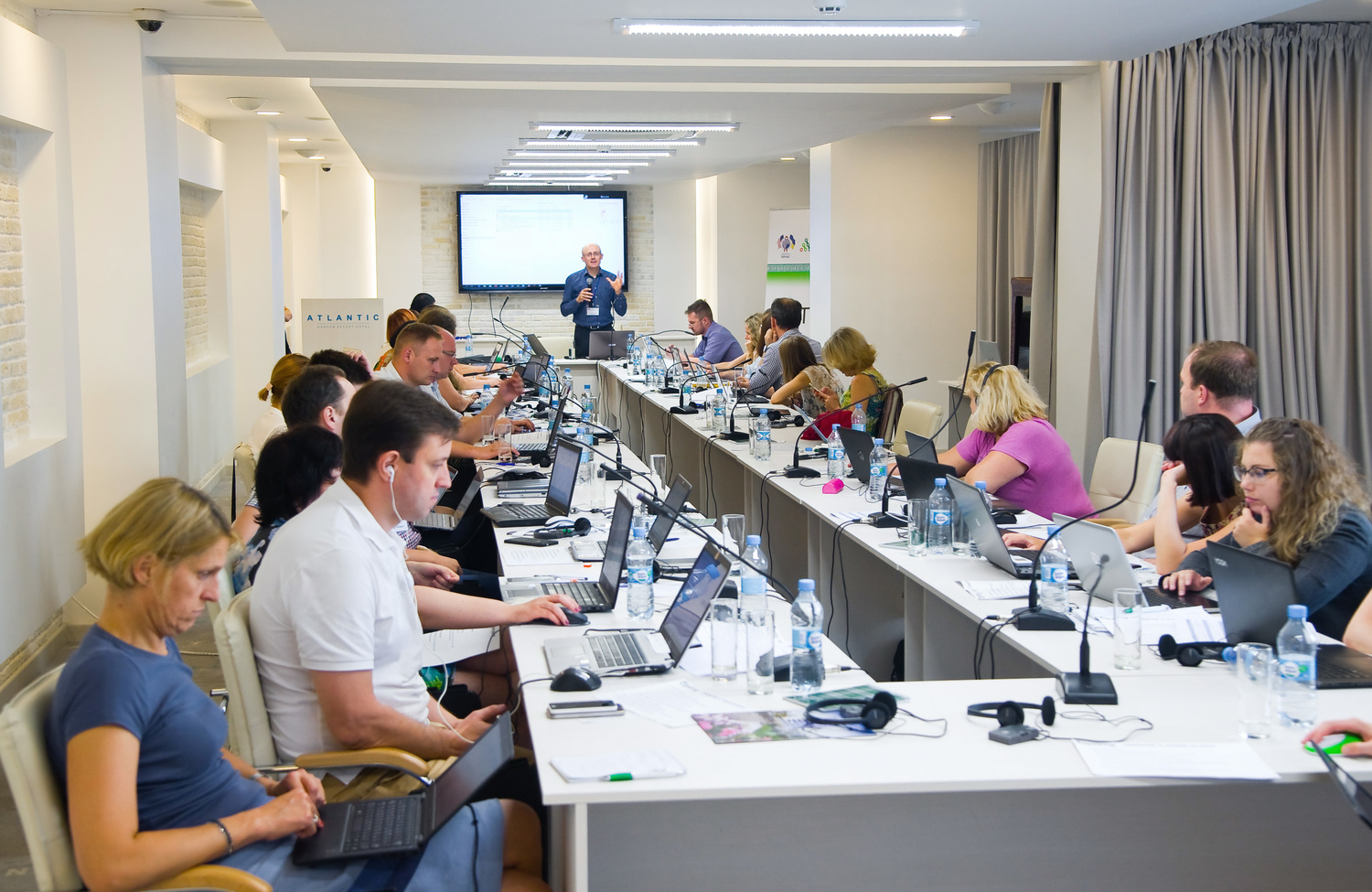
On July 25-29, 2016 the Alliance for Public Health (METIDA project) in collaboration with the State Institution “Ukrainian Centre of Socially Dangerous Disease Control of Ministry of Health of Ukraine” carried out the International Summer HIV Modelling School in Odessa. This event was a unique opportunity to meet the highest level national and international experts on HIV modelling. During the meeting were discussed algorithms of HIV/AIDS epidemic projections in four major modelling tools: SPECTRUM, AEM (AIDS Epidemic Model), Optima and ECDC HIV modelling tool.

  The international trainers of summer school were:

• Ard van Sighem, PhD, developer of ECDC HIV modelling tool, Senior Researcher at Stitching HIV Monitoring Foundation (Netherlands)

• Wiwat Peerapatanapokin, East-West Center / Thai Red Cross Society Collaboration on HIV / AIDS Modelling, one of the developers of AEM, international expert in SPECTRUM (Thailand)

• Clemens Johannes Benedikt, The World Bank, modelling consultant at Optima (Austria)

The following representatives of national partner organizations working on HIV in Ukraine participated in the International Summer HIV Modelling School: CDC, UNODC, UNAIDS, The World Bank, State Organization “Institute for Economics and Modelling, Ukrainian National Academy of Sciences”, State Organization “Institute of Epidemiology and Infectious Diseases named after L. Gromashevskyi of the National Academy of Medical Sciences of Ukraine”, regionals AIDS centers and other national partners.

During the event all the participants developed projections in different modellingtools, compared the projections with each other and concluded the further steps in HIV modelling at the national and regional levels, first of all, to identify and approve the data about PLHIV size estimation and key groups, main epidemic indicators (incidence, prevalence, mortality) among the general population and key groups.

More
Share
July 28, 2016

Public Event on World Hepatitis Day

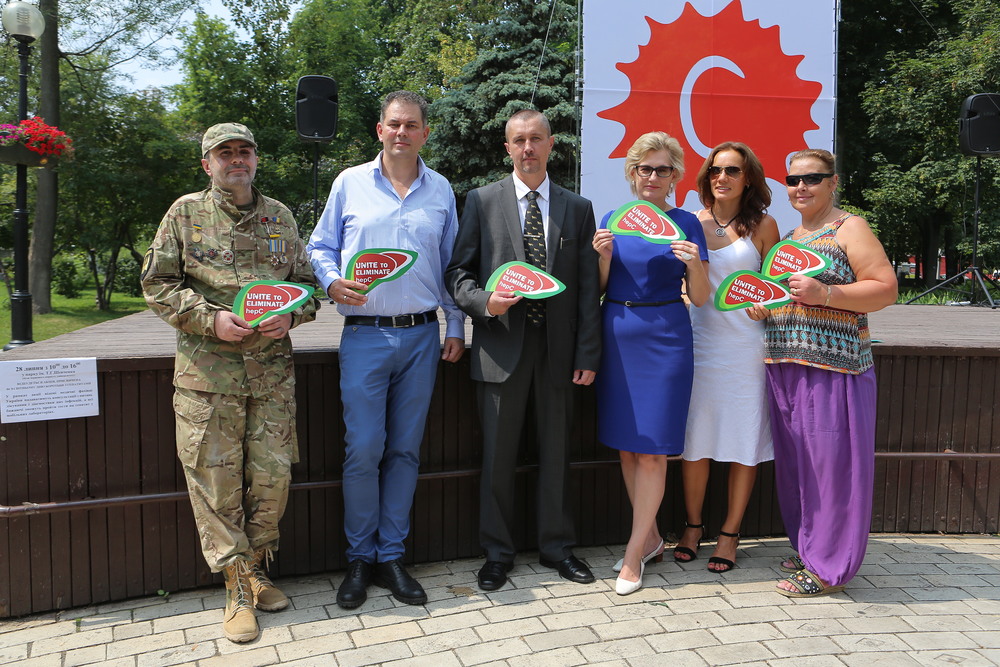
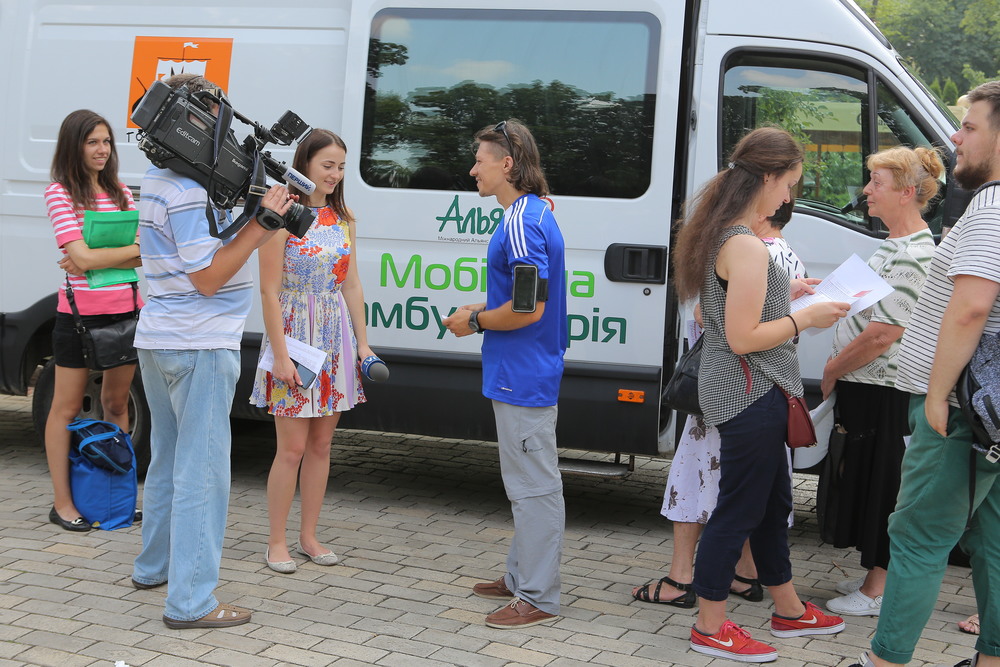
On July 28, 2016 the Alliance of Public Health jointly with partner organizations carried out the traditional all-Ukrainian information and awareness event within the framework of “We Demand Treatment!” campaign in all the oblasts of Ukraine. The key message of this year’s event was the request to ensure efficient treatment with direct-acting antivirals.

The following speakers participated in the press briefing at the all-Ukrainian public event in the city of Kyiv:

– Executive Director of the Alliance of Public Health Andriy Klepikov.

– Chief consultant specialist on the infectious diseases of the Ministry of Health of Ukraine (MoH), Head of the Department for Infectious Diseases of O. Bohomolets National Medical University Olha Holubovska, MD, PhD.

– Representative of the World Health Organization (WHO) office in Ukraine Oleksiy Bobryk.

– Patients with HCV who currently completed the treatment or are still waiting for it.

195 people passed hepatitis C screening tests, 15% of results were positive. All people who have received positive results of rapid test were consulted by doctor and received information on further steps in the diagnosis.

The action received wide coverage in the media:

First National Channel.

5th Channel.

Hromadske TV.

TV Channel ‘Ukraina’.

24th Channel.

NTN.

‘Kyiv’ TV company (was on news programm at 21.00).

Hromadske Radio.

Radion Era.

Official press relealse of the action.

4en

More
Share
July 21, 2016

Eastern Europe and Central Asia – Response to Hepatitis C Epidemic

Alliance for Public Health in collaboration with the International Treatment Preparedness Coalition (ITPCru) and more than 17 partner organizations in Eastern Europe and Central Asia (EECA) presents the third edition of the report on civil society response to the epidemic of Hepatitis C in the region.

The purpose of this report is to provide an overview of key aspects of the hepatitis C (HCV) epidemic and response in 11 EECA countries (Armenia, Azerbaijan, Belarus, Georgia, Kazakhstan, Kyrgyzstan, Moldova, Russia, Tajikistan, Ukraine and Uzbekistan).

It also outlines tools and activities for civil society organizations (CSOs) and community-based groups working on expanding access to HCV treatment in the region. Right now, there is a strong global movement towards elimination of the HCV epidemic. It is essential that this analysis is available to ensure that the EECA region is not left out of global strategies being developed to provide universal access to innovative curative treatment regimens currently in the pipeline.

The overview summarizes data with a focus on availability of HCV medicines, HCV treatment guidelines, national/donor HCV treatment programs, and civil society involvement in the HCV response. It also offers possible approaches and steps that could be taken by CSOs to improve access to HCV treatment in their countries.

You may find the updated report here

More
Share
July 15, 2016

Alliance for Public Health activities at AIDS-2016

#AIDS2016

Alliance for Public Health (Ukraine) is implementing one of the biggest key populations response programs that reversed the pace of HIV epidemic in Ukraine. Its experience informed the development of a number of EECA programs as well as responses to drug use driven epidemics in East Africa and Asia. We will be sharing our experiences during AIDS 2016: oral presentations, workshops, poster presentations, 2 booths will be ran during the conference:

SATURDAY, JULY 16

11:30 – 13:00. Oral Presentation: Leaving No One Behind – Prioritizing Key Populations. (Pavlo Smyrnov)

Place: International Conference Center (PEPFAR, pre-meeting).

TUESDAY, JULY 19

12:30 – 14:30. Poster presentation: Economic analysis of effectiveness of investments in HIV prevention services among key population groups in Ukraine (Tetyana Salyuk)

Place: Poster Exhibition area, First Level (by the Arena Entrance)

14:00 – 15:00. Oral presentation followed by moderated discussion: Harm Reduction Academy learning course: How to learn the decades of experience in harm reduction in 3 weeks? (Tetyana Deshko)

Place: HIV/AIDS Alliance Exhibition Booth at AIDS 2016 (#374)

15:00 – 16:00. Oral presentation followed by moderated discussion: SyrEx Cloud: Leave the paperwork behind! Client tracking software (Pavlo Smyrnov)

Place: HIV/AIDS Alliance Exhibition Booth at AIDS 2016 (#374)

18:30 – 20:30. Oral Presentation: Leaving No One Behind: How to Bring Key Population HIV Services to Scale (Tetyana Deshko)

Place: International Conference Center, Session Room 7

WEDNESDAY, JULY 20

9:00-10:00. Workshop “EECA Regional Platform: TA needs of PLWHA in Eastern Europe and ways to address them for better decision making”. Discussion of Assessment results (Kateryna Maksymenko).

Place: Global village: the European Networking Zone

12:30 – 14:30. Poster presentations:

· EECA Regional Platform: building regional civil society partnership for better decision making in HIV/TB response (Kateryna Maksymenko).

· Using mixed-methods to understand HIV treatment cascade among opioid agonist therapy (OAT) patients and people who inject drugs (PWIDs) in five Ukrainian cities (Alyona Mazhnaya)

Place: Poster Exhibition area, First Level (by the Arena Entrance)

12:50 – 12:55. GV Film screening. Lost Childhood: urgent response needed in order to save lives of adolescents who use drugs (Iryna Zharuk)

Place: GV Film screening room.

16:30 – 18:00. Oral Presentation: The Development and Pricing of HIV Medications and Diagnostics: Recent Controversies and Priorities for the Future (Andriy Klepikov)

Place: International Conference Center, Session Room 6.

18:00 – 20:00. Oral Presentation: Development Assistance for Health in the Age of Inequality: What does it mean for the AIDS response? (Andriy Klepikov)

Place: The Southern Sun Elangeni & Maharani, 63 Snell Parade

THURSDAY, JULY 21

12:30 – 14:30. Poster presentations:

· HIV counseling and testing decreases risk of HIV seroconversion among people who inject drugs in Ukraine (Tetyana Salyuk)

· Implementation and validation of PIMA CD4 program in Ukraine (Alyona Shost)

Place: Poster Exhibition area, First Level (by the Arena Entrance)

14:30 – 16:00. Oral Presentation: Community’s Role in the Health System. (Andriy Klepikov).

Place: International Conference Center, Session Room 11.

14:00-14:45. Session “TA needs and ways to address them for better involvement of key affected communities into decision making in the area of HIV/TB response in EECA: Assessment results”. (Kateryna Maksymenko).

Place: Global Village: Global Fund Networking Zone

We will be present in 2 booths during the entire conference:

· International HIV/AIDS Alliance Exhibition Booth #374

· Alliance for Public Health, Booth №518

Join our events in Durban!

More
Share
June 29, 2016

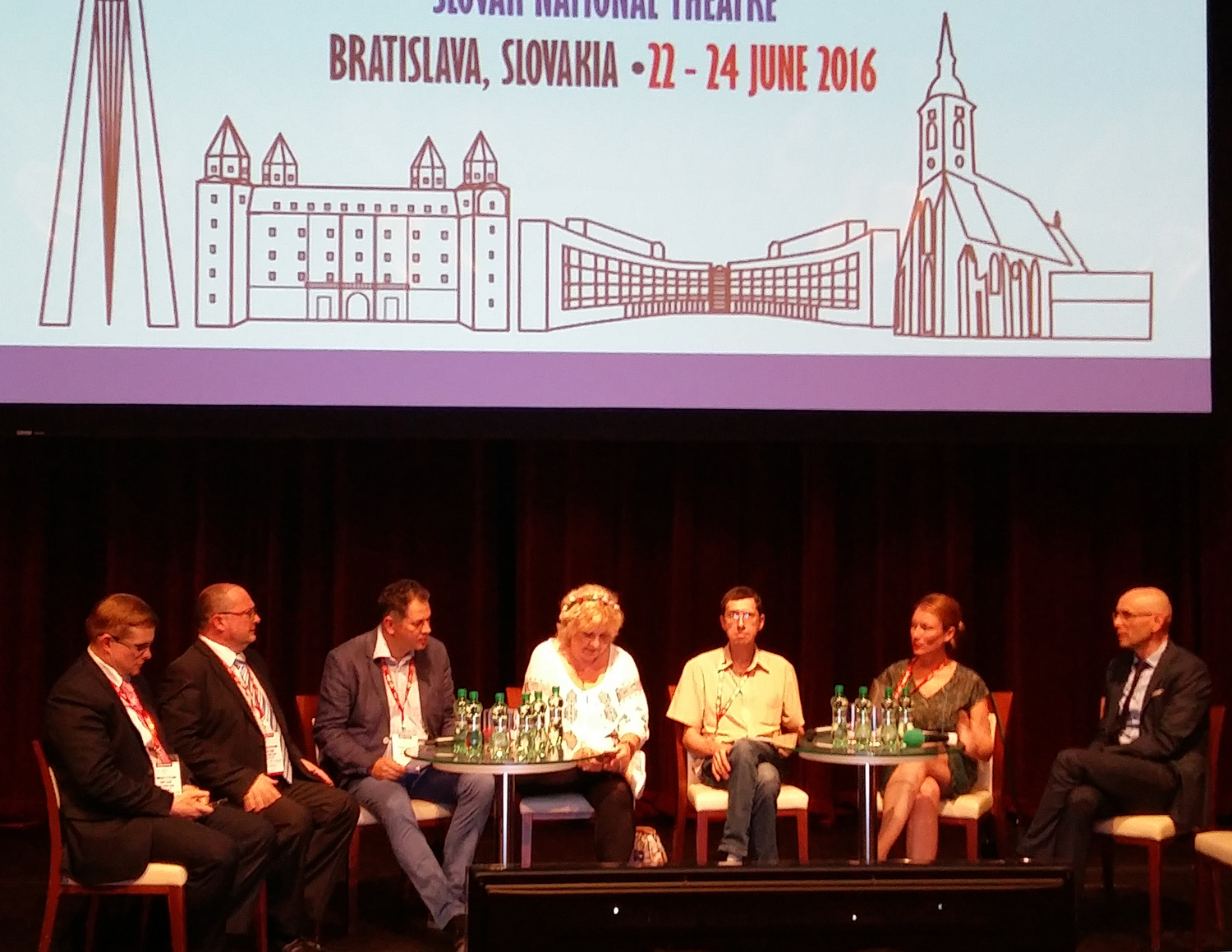
The 7th Union Europe Region Conference in Bratislava

On 22-24 June 2016, Bratislava hosted the 7th Union Europe Region Conference organized by the International Union Against Tuberculosis and Lung Disease. The key speakers included Marieke van der Werf (ECDC, Stockholm), Mаrio Raviglione and Knut Lonnroth (WHO, Geneva), Lee B. Reichman (New Jersey Medical School, USA), Giovanni Battista Migliori (Italy), Aksmit Timothy (USA), Martin van den Boom (WHO, Copenhagen), Viorel Soltan (PATH Center, Moldova) and others.

 Alliance for Public Health (Alliance) was represented by Andriy Klepikov, Executive Director, and Yuliya Chorna, Project Manager: TB Advocacy, who made a valuable contribution to the conference. At the session ‘Transforming and optimizing patient-centred models of TB care in countries of the former Soviet Union (FSU)’, Alliance was presented to the participants by Martin van den Boom (WHO Regional Office for Europe) as one of the partners of the TB-REP Regional Project.

On the last day of the conference, Andriy Klepikov together with Fanny Voitzwinkler, Head of EU Office of the Global Health Advocates, facilitated the final session “Road to Bratislava 2016: A Uniting Call from TB and HIV Stakeholders for European Political Leadership in the Fight against Communicable Diseases”. This session was organized by the TB Europe Coalition (TBEC) and was of a particular importance as Slovak Republic will take over the Presidency in the Council of Europe on 1 July 2016. The Executive Director of Alliance pointed out: “This is the crucial moment, when the Slovak Republic, coming from its achievements in the fight with TB, will be able to prioritize the question of ending TB in Europe.”

“Co-infection of TB, HIV, hepatitis – all those issues are associated with TB, so TB cannot be tackled alone, but addressed in comprehensive manner. Another important issue is the needs of vulnerable populations, who require all types of support to overcome the crisis situations they face”, – underlined Andriy Klepikov during the closing part of the conference.

Now there are great expectations for the leaders of the countries in the respective region to keep TB among the political priorities and to draw more attention to the issue. They need to not only ensure sufficient attention to TB at all levels, but also enhance all the available mechanisms to fight with tuberculosis and actively involve communities to overcome this problem!

More
Share
June 24, 2016

Local Actions, Global Voice: The Support Don’t Punish Day of Action on 26th June 2016

Since it was launched in 2013, the Support Don’t Punish campaign has gone from strength to strength, and activists in more than 100 cities around the world will take part in the Global Day of Action on or around 26th June this year. 2016 has already been a big year for drug policy with the UN General Assembly Special Session on drugs in April, and the UN High-Level Meeting on HIV/AIDS earlier in June.

This month, a huge range of local actions, events, protests and meetings will be held as part of a global show of force calling for drug law reform – including:

· A giant mural in the centre of Melbourne, Australia, accompanied by demonstrations and a petition to government.

· A music concert in Brussels, Belgium to raise awareness of the need for drug policy reform.

· A policy dialogue with politicians, UN officials and community members in Phnom Penh, Cambodia.

· Public debates and discussions on the rights of coca, poppy and marijuana farmers in Bogota, Colombia.

· Events across 12 cities in France.

· A rally and street play in Pune, India.

· A series of debates and workshops in Mauritius.

· A football match between people who use drugs and local law enforcement officials, followed by a bicycle rally in Pokhara, Nepal.

· A public march in Cape Town and an interfaith healing session with different religious leaders in Durban, South Africa.

· “Guerrilla” distribution of naloxone to those in need in London and Liverpool, UK – to highlight the need for better local policies to prevent drug-related deaths.

· A large-scale projection in New York depicting people who use drugs under the heading ‘drugs do not define me’ – as well as smaller actions in several other US cities.

The campaign team are working hard to keep the list of actions up-to-date on the  сampaign website. Please contact campaign@idpc.net if you wish to add a city to the list, or update any information.

The Support Don’t Punish campaign seeks to promote the case for drug policy reform, and to challenge existing laws and policies which impede access to harm reduction interventions – as the harms being caused by the war on drugs can no longer be ignored. The campaign includes the annual Global Day of Action, as well as an Interactive Photo Project – an online photo petition with more than 7,000 supporters from around the world. You can engage with the campaign by following us on Facebook, Twitter or on the campaign website, taking part in the 2016 Thunderclap on social media, watching and sharing our series of videos, sending in your photo for the Interactive Photo Project, taking part in your local event, or organising an action yourself!

For more information on all of this, please visit www.supportdontpunish.org.

More
Share
June 24, 2016

The truth about OST you did not know!

Alliance for Public Health (hereinafter – Alliance) decided to make a contribution into marking the International Day against Drug Abuse and Illicit Trafficking, within the global Support. Don’t Punish! advocacy campaign, and inform stakeholders, governmental authorities and mass media about the real microscopic volumes of the leakage of substitution therapy drugs into the illicit market.

Opioid substitution treatment (OST) program – the biggest in the countries of Eastern Europe and Central Asia – has been implemented in Ukraine for 12 years already! Today this effective and evidence-based approach to the treatment of drug dependence and prevention of the spread of HIV and hepatitis C allows 8,727 patients with chronic opioid dependence to receive treatment in 173 healthcare facilities in all regions of Ukraine, apart from temporarily occupied areas in eastern Ukraine. 7,779 patients receive methadone-based substitution therapy (with tablets or liquid methadone) and 948 patients receive buprenorphine tablets.

Over this period, there were numerous studies, which proved the effectiveness of OST. This therapy for people who use drugs is guaranteed by p. 8 art. 4 of the Law of Ukraine “On Prevention of the Spread of Diseases Associated with Human Immunodeficiency Virus (HIV), Legal and Social Protection of People Living with HIV” dd. 12.12.1991 N 1972-XII and by the National Targeted Social Program on Countering HIV/AIDS in 2014-2018 approved with the Law of Ukraine dd. 20.10.2014 N 1708-VII. A series of orders of the Ministry of Health of Ukraine regulate the procedure of OST provision, volumes of the drugs to be used and control over their turnover.

Since 2005, 1,462 kg of methadone and 34.4 kg of buprenorphine were delivered to the country in accordance with the annual quotas of narcotic substances for OST approved by the Cabinet of Ministers of Ukraine within the relevant National Program, which is co-implemented by Alliance for Public Health. In Ukraine, the average daily dose of methadone in OST programs is 80 mg, buprenorphine – 10 mg per patient.

One of the traditional arguments against introduction of OST, which were voiced by representatives of the previous law enforcement system, which for many years maintained strong resistance to implementation of this method of treatment at all levels, were unjustified assumptions concerning allegedly enormous volumes of the OST drugs leakage and illicit trafficking in those drugs. In previous years, such statements have been repeatedly heard from the head of one of the most corrupted departments of former militia – Department against Drug Trafficking of the Ministry of Interior of Ukraine – mostly with references to confidential “information collected” and “criminal cases initiated”.

Today Alliance decided to inform all interested parties, including current law enforcers and mass media, with the real statistics of the “leakage” of OST drugs and illicit trafficking in such drugs and show that they make an absurdly small share in the total scope of drug turnover in our country.

In the recent months, Alliance analyzed court judgments related to OST or narcotic drugs used in OST, which were entered into the Unified State Register of Court Judgments.

As a result, we identified and analyzed 333 basic and 84 associated with them court judgments on criminal cases and administrative offenses, issued during the period of almost 10 years!

The analysis showed that within those cases law enforcers documented and withdrew only 25 grams of methadone and 0.32 gram of buprenorphine, which got into the illicit market from OST programs.

Thus, the proportion of OST drugs, which leaked into the illicit market in this period of time due to various circumstances is really meager as compared to the volumes of drugs imported or procured in Ukraine during the same period: for methadone it is0.0017% and for buprenorphine – 0.00093%!

For reference, earlier in June during just one police intervention in Kherson officers of the National Police withdrew over 2 kg of illegal methadone (which is in no way related to OST programs) produced in a clandestine laboratory from an organized drug crime syndicate, which is 77 times more than the quantity of the main OST drug, which got into the illicit market in all the years of OST program implementation in Ukraine!

So we have to say that concerns of skeptics and unjustified assumptions of corrupted law enforces on the dangers of OST are in no way confirmed in practice.

By the way, arms from military warehouses, currency assets and valuables from banks or jewelry stores also sometimes fall into the wrong hands. But it seems that in those areas the scope of leakages is not that meager…

***

For information: This press release is issued within the global «Support. Don’t Punish!»advocacy campaign, which is marked on 26 June 2016 in over 100 cities of the world. On this day, tens of thousands of civil society activists from all over the world traditionally appeal to their governments to stop cruel and senseless policy of the War on Drugs. Official website of the campaign: http://supportdontpunish.org

Alliance for Public Health is a leading non-governmental professional organization which makes a significant impact on the epidemics of HIV/AIDS, tuberculosis, viral hepatitis and other socially dangerous diseases in Ukraine through providing financial and technical support to relevant programs, which cover over 280,000 members of most vulnerable populations, which is the highest indicator in Europe. Alliance traditionally takes part in «Support. Don’t Punish»! campaign. Information about last year’s event: http://www.aidsalliance.org.ua/ru/news/pdf/01-12_2015/06/Drugs_Alliance_26.06.2015_ukr.pdf

1 For comparison, according to the official data of the Supreme Court of Ukraine only in 2015 all Ukrainian courts heard 12 thousand cases related to offences in the area of trafficking in drugs, psychotropic substances, their analogues or precursors (articles 305–320 of the Criminal Code).

More
Share
June 23, 2016

Final Stop of OST Program in Donetsk

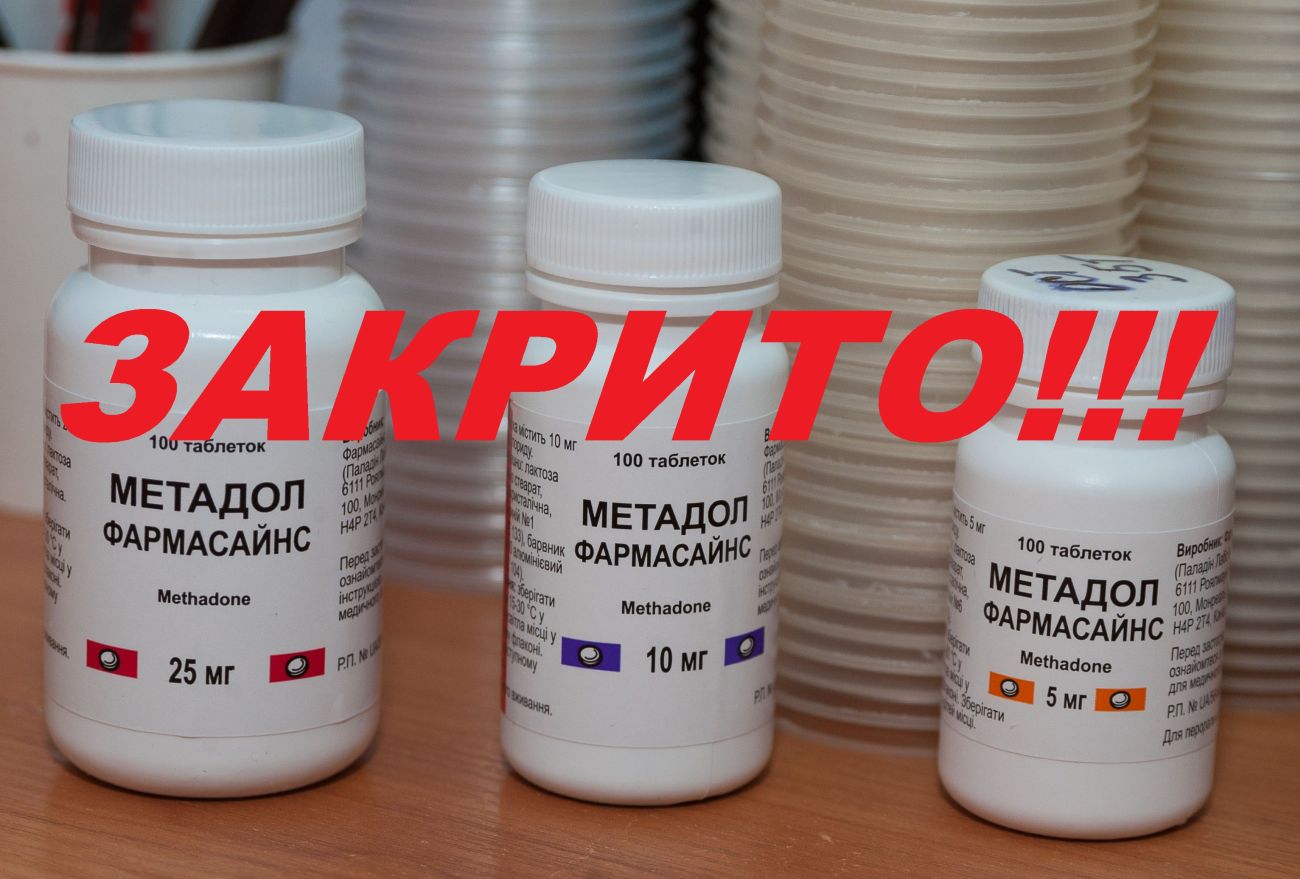
June 23 2016 became the last day of OST provision in the non-controlled by Ukraine territories of Donetsk and Luhansk oblasts. The last OST site, which had been still functioning in the city, was closed due to depletion of the stock of medical drugs. It was the last day when 23 HIV-positive patients received their minimum doses of methadone (5 mg). Before the military conflict, 370 patients received OST in Donetsk and Makiivka in the Donetsk oblast. According to the information available, only in Donetsk about 20 patients, most of them living with HIV, died due to the forced catastrophic reduction of the doses of OST drugs!

Detailed information about the Status of HIV/TB/HCV/OST Prevention and Treatment Programs in Donetsk and Luhansk oblasts can be found on our web-site.

More
Share