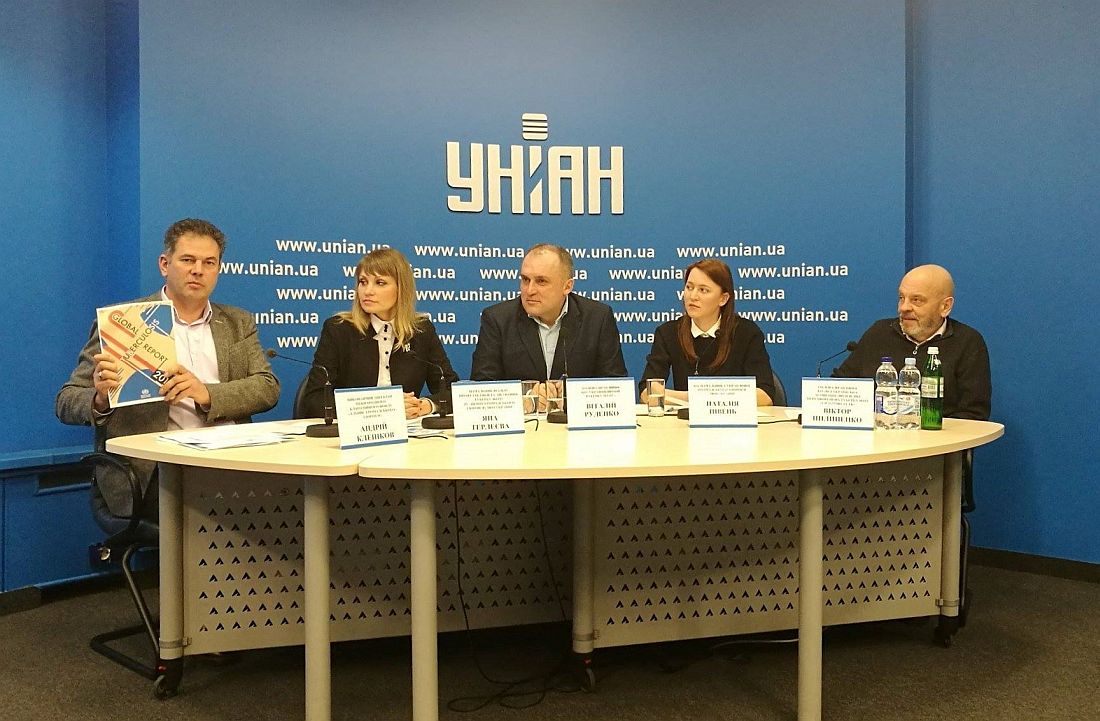
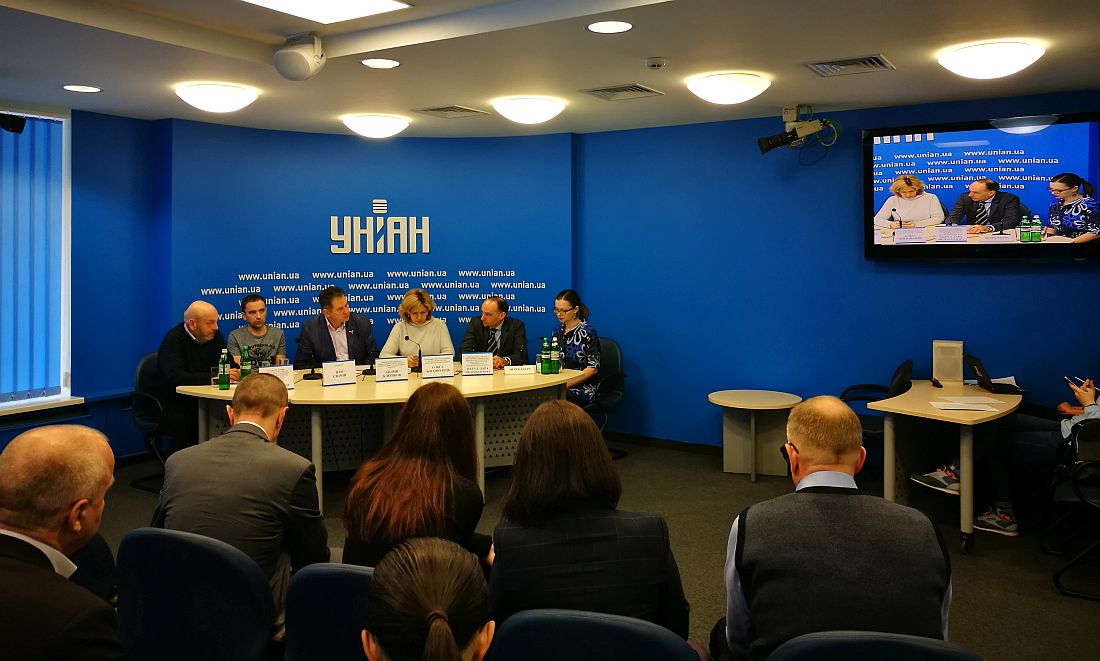
To end the TB epidemic, Ukraine has only one recipe – to implement quality people-centered TB care! This statement was made by Andriy Klepikov, Executive Director of the Alliance for Public Health at the press conference to mark the World Tuberculosis Day.
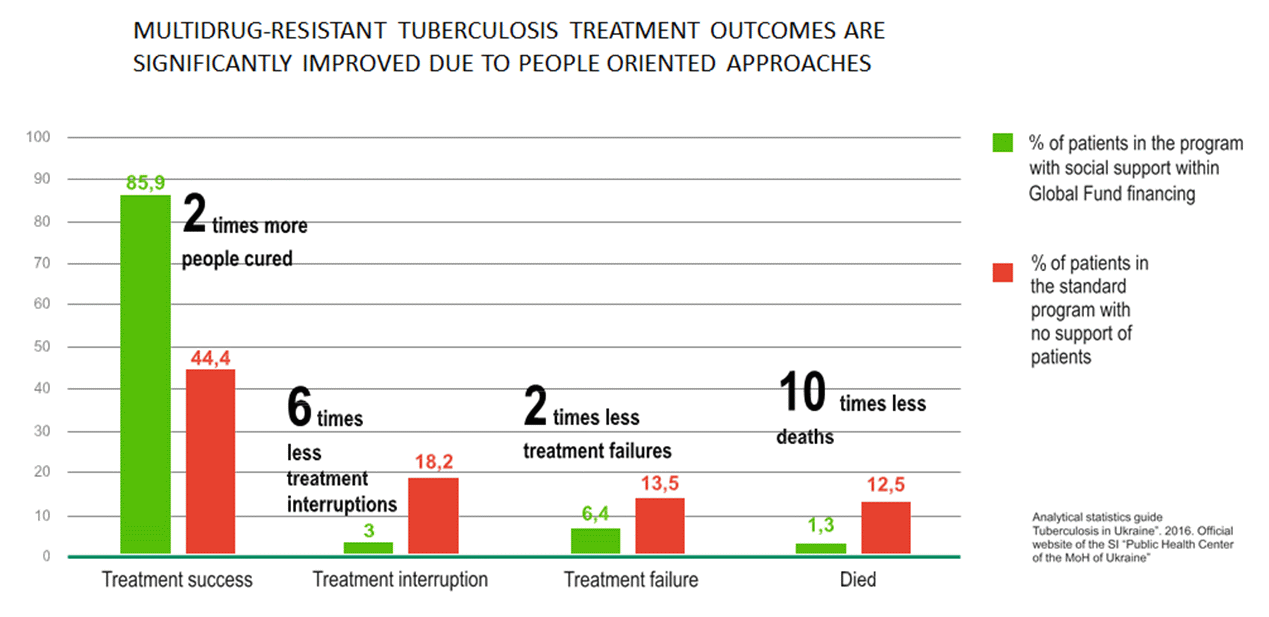
“Within its pilot projects supported by the Global Fund, Alliance proved that combination of medical, social and psychological support allows increasing MDR-TB cure rate twofold! 80% of patients with MDR-TB were cured! This is a really impressive result, considering that the average treatment success rate for such patients in Ukraine is less than 40%,” – informed the speaker.
Andriy Klepikov also underlined the need to move the function of patient support from donor funding to state and local budgets: “What may seem an additional service, is indeed an essential factor, which makes a significant impact on treatment success.” As a leading civil society organization, co-implementer of the National TB and HIV/AIDS Programs and one of the principal recipients of the Global Fund to Fight AIDS, Tuberculosis and Malaria, Alliance welcomes increased commitments of the state to fund the response to tuberculosis in 2017. But at the same time, our organization points out that the main task today is to guarantee that, as opposed to the previous years, the funds will be spent on the most effective models of care.
At the press conference “People-centered care – the key to ending the epidemic of tuberculosis in Ukraine!”, Olha Bohomolets, MP, Head of the Verkhovna Rada Committee on Public Health and member of the international movement of parliamentarians against TB, Global TB Caucus, told about the strategic plans to end tuberculosis in Ukraine. Thus, she underlined that to have an impact on the epidemic, Ukraine has to reduce TB morbidity by 25%, reduce TB mortality by 35% and increase MDR-TB cure rate at least up to 75%.
But to achieve those goals, the Ministry of Health needs to elaborate a step-by-step action plan and define economic indicators, such as the cost of care per one patient, and others. From her side, Olha Bohomolets told she guaranteed support of the Committee on Public Health in enhancing the response to TB and advocate to the deputies of Ukraine to allocate the required funds from the budget of Ukraine for such response.
Dr. Masoud Dara, Coordinator, Communicable Diseases and Programme Manager, TB, HIV/AIDS and Viral Hepatitis Division of Health Emergencies and Communicable Diseases, WHO Regional Office for Europe said that coordinated efforts of all stakeholders were essential to overcome the epidemic of TB. He also pointed out that it is critical to scale up access to MDR-TB treatment, in particular ensure: integration of people-centered care into the system of support for TB patients, development and availability of mechanisms of patient support, implementation of innovations in the current treatment models. Besides, Dr. Masoud Dara noted that special attention should be paid to the spread of HIV/TB co-infection and ensured that our country could count on the WHO support in launching effective approaches to ending the TB epidemic.
Patients diagnosed with MDR-TB told about their own experience of receiving people-centered care. “For me personally, people-centered care has a number of advantages. First and foremost, it ensures uninterrupted supply of effective drugs, – told Ihor Svachii, a patient who has been treated within social support program for almost a year. – The second important thing is that I get treatment at home. In a hospital, you feel isolated anyway, and I surely wouldn’t be able to stand it for two years. Emotionally, it is very difficult. At home you are in familiar settings. You’ve got a computer, a TV set, music, books. You can go for a walk. You can feel support of your friends and family, while they would have limited access to hospitals.”
We really hope that patients’ voice will be heard by decision makers and the society in general! People-centered approaches, actively implemented by Alliance, should become an integral part of the future TB care system and should make a decisive impact on the response to the TB epidemic.
Video of the press conference: https://youtu.be/Ssclfb525JM.



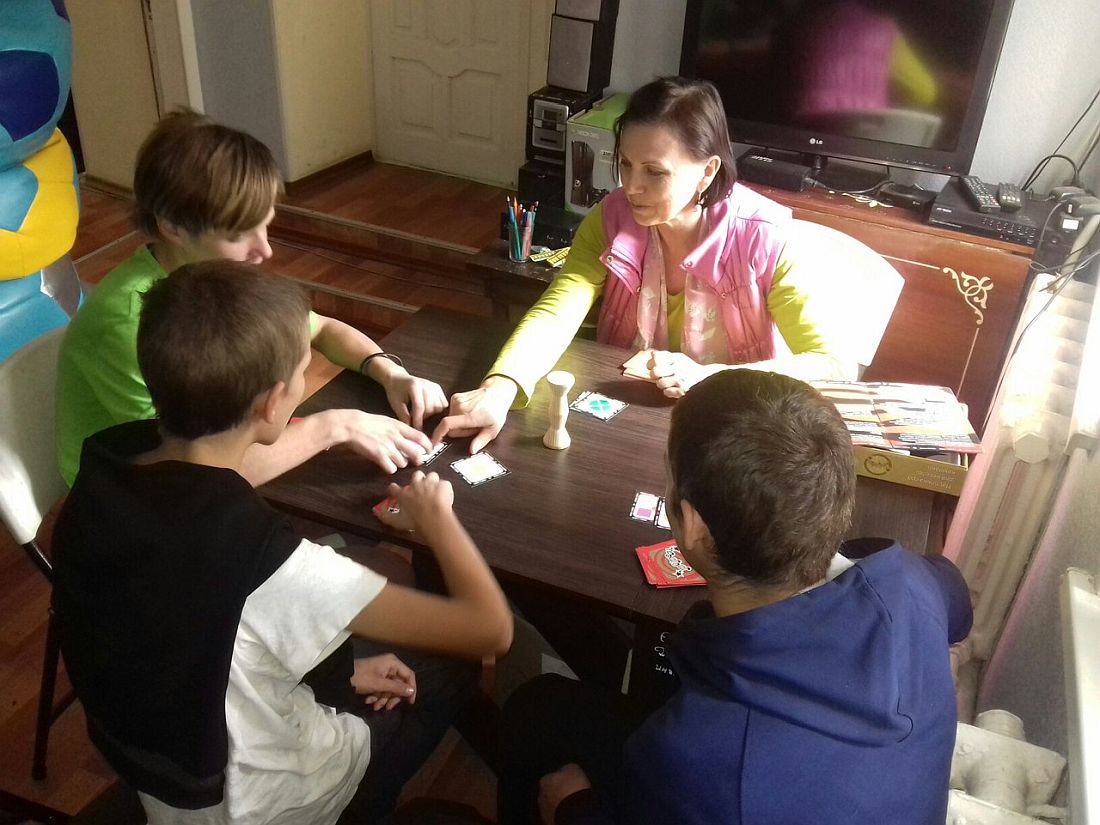
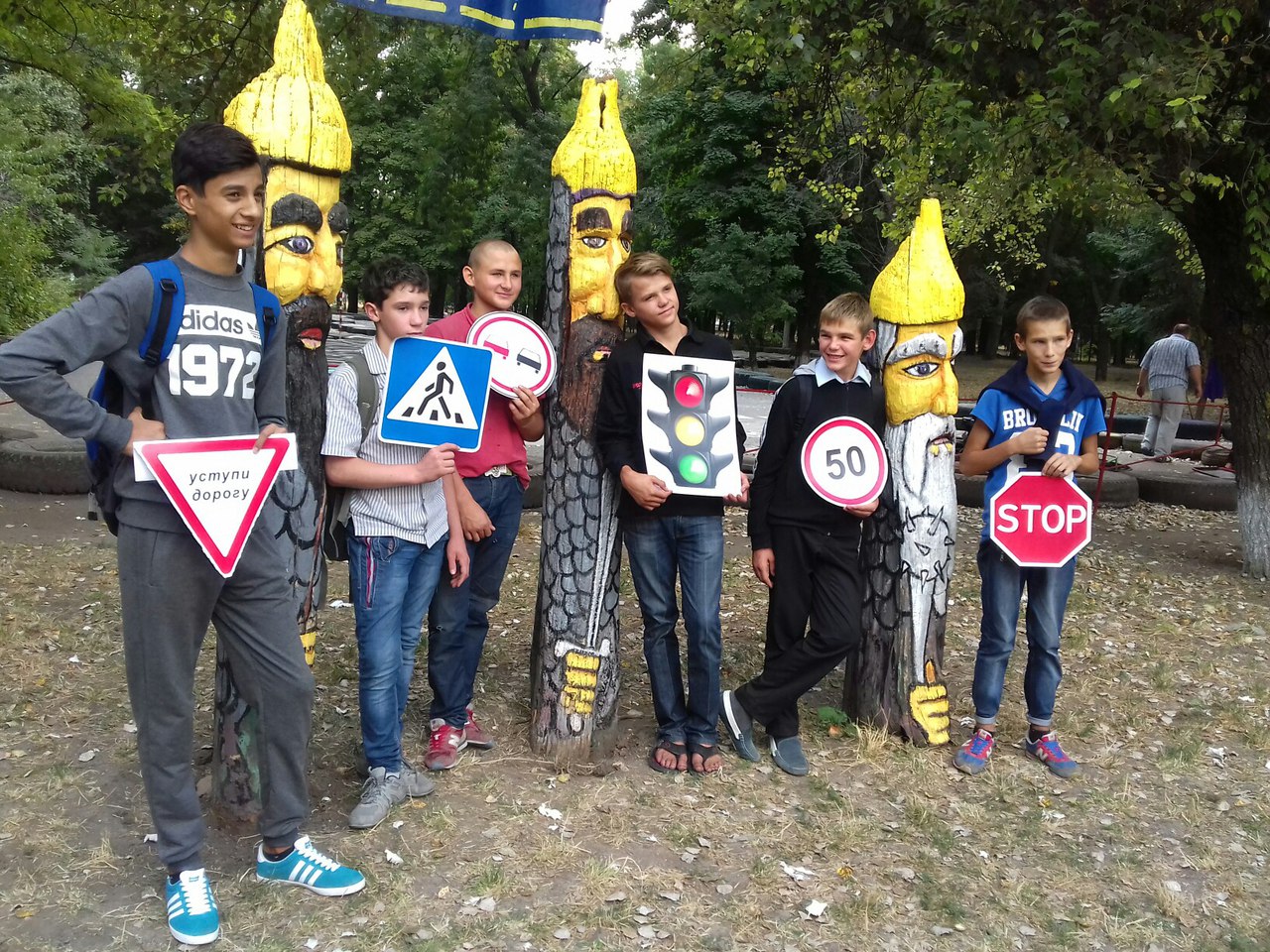 On 20 March 2017, Practice Centre for HIV, Hepatitis C and Drug Use run by Alliance for Public Health organized a webinar “Harm reduction for adolescents who use drugs in Ukraine: reaching the underserved”. Iryna Zharuk, Project Coordinator presented the experience of Alliance for Public Health in implementing this innovative project. Participants of the webinar learnt about the intervention design, planning steps, networking and partnership, project activities, research component, challenges and how they are addressed. To listen to the webinar,