A practical advocacy agenda for HIV prevention, treatment, opioid agonist therapy, harm reduction and community-led services
On 23 June 2026, the United Nations General Assembly adopted the new Political Declaration on HIV/AIDS: United to End AIDS by 2030.
The document is the latest global political framework for accelerating the HIV response during the remaining years before 2030. It is not a legally binding treaty, but it records commitments made by governments and provides a common benchmark for national strategies, budgets, legislation and programme monitoring. The Declaration acknowledges that the world missed its 2025 HIV targets and remains off track to end AIDS as a public health threat, while confirming the goal of reducing both new HIV infections and AIDS-related deaths by 90 per cent from their 2010 levels by 2030.
The new Declaration is an update and recommitment rather than a complete departure from the 2021 Declaration. The 2021 document established many of the central principles that remain in place, including the 95–95–95 treatment targets, the 10–10–10 societal-enabler targets, harm reduction and opioid substitution therapy, legal reform, social contracting and the 30–80–60 community-leadership targets. Its main deadlines, however, were set for 2025 and were not fully achieved. The 2026 Declaration renews these commitments through 2030 and adapts them to a substantially more difficult environment. It gives greater prominence to declining international assistance, sustainable transition to domestic financing, shrinking civic space, humanitarian crises, continuity of services during conflict and displacement, long-acting prevention and treatment technologies, digital health and the responsible use of artificial intelligence. It also strengthens the language on predictable, long-term and flexible financing for community-led responses and introduces annual voluntary reporting on implementation.
Declaration’s central message is straightforward: ending AIDS by 2030 will require more than providing antiretroviral treatment. Governments are expected to expand combination prevention, including PrEP, PEP, needle and syringe programmes and opioid agonist therapy; reach the 95–95–95 targets across all populations; reform laws and practices that deter people from accessing services; protect confidentiality and human rights; integrate HIV with tuberculosis, hepatitis, mental-health and primary-care services; and finance communities to participate in decision-making, deliver services and monitor results. The Declaration therefore provides civil society with a practical advocacy framework: every international commitment can be translated into a national question about which institution will act, what legal or service gap will be addressed, how much funding will be allocated and which measurable result should be achieved by 2030.
For Eastern Europe and Central Asia, the Declaration is particularly important. It recognizes that new HIV infections in the region increased by 15 per cent between 2010 and 2025 and calls for “urgent and exceptional action”. It also confirms that key populations and their sexual partners account for 59 per cent of new adult HIV acquisitions in EECA.
All 11 countries covered in this analysis — Georgia, Kazakhstan, Moldova, Kyrgyzstan, Tajikistan, Uzbekistan, Bosnia and Herzegovina, Serbia, Montenegro, Croatia and Albania — voted in favour of the Declaration. This creates a clear advocacy starting point:
The government has already supported these commitments internationally. The next question is how they will be reflected in national policies, budgets and measurable programme results.
The Resolution was adopted by 149 votes in favour, eight against (including Russian Federation) and 14 abstentions (including Belarus). (digitallibrary.un.org)
The Alliance and iSoS contributed to the process — and can now help drive implementation
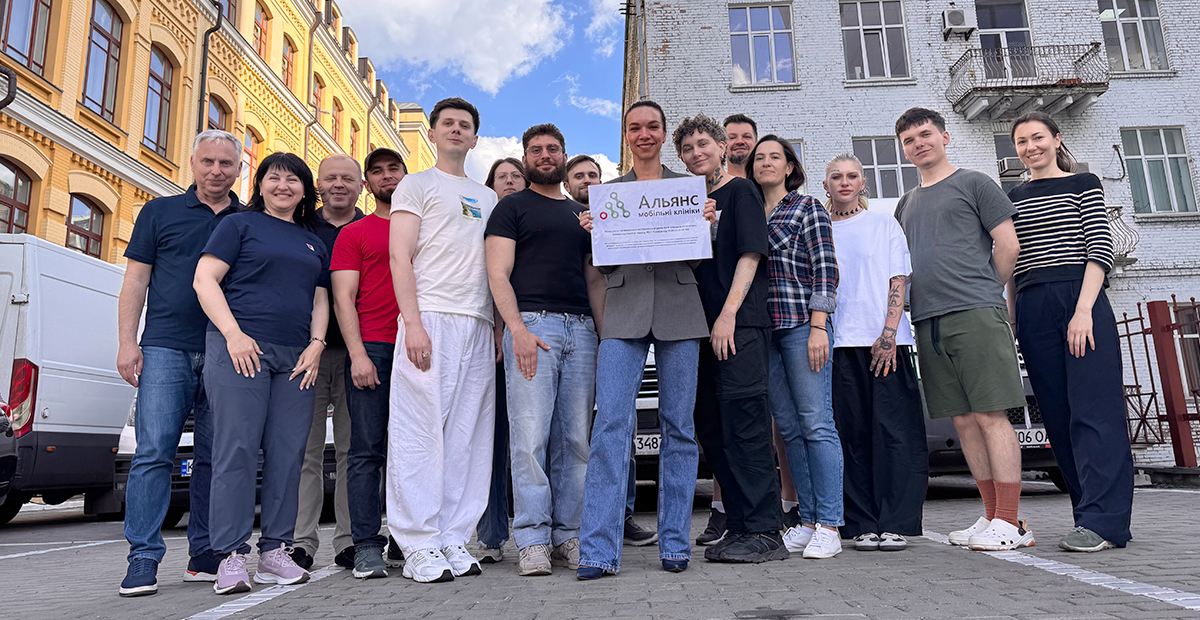
The Alliance for Public Health and the iSoS project were engaged in the international advocacy process before the 2026 Political Declaration on HIV/AIDS was adopted. During the Multi-Stakeholder Forum convened as part of the preparations for the UN High-Level Meeting on HIV/AIDS, Tetiana Deshko, Alliance for Public Health, delivered a statement focused on preserving the continuity of HIV, tuberculosis and harm reduction services during war and other systemic crises.
Speaking from Kyiv following another large-scale Russian drone attack, Tetiana presented Ukraine’s experience of community organizations becoming a critical pillar of healthcare delivery in frontline areas and communities affected by displacement and instability. She described how civil-society organizations operate mobile clinics, support uninterrupted access to treatment and integrate HIV, tuberculosis, mental-health and harm reduction services for people whom conventional health facilities may no longer be able to reach. As she emphasized during the Forum, When systems collapse, communities ensure continuity of care.”
Her intervention also underlined that innovation during a crisis is not a luxury but a condition for survival. Mobile and decentralized clinics, digital solutions, flexible service-delivery models and long-acting options for HIV prevention and treatment can help maintain access to care when people are displaced, infrastructure is damaged and conventional services are disrupted. Tetiana also reminded participants that Eastern Europe and Central Asia remains the only region where both new HIV infections and AIDS-related deaths continue to rise simultaneously, making sustained investment in evidence-based, community-centred services particularly urgent. She concluded by calling on the international community to demonstrate the same courage and determination that communities show every day while sustaining services under wartime conditions. The full video of her intervention is available [here](https://lnkd.in/d9GzU5Er), beginning at approximately **1:16:00**.
Ganna Dovbakh, together with other regional community and civil-society representatives, also contributed to the development and promotion of recommendations from Eastern Europe and Central Asia during the preparatory process. It would be inaccurate to attribute any individual provision of the final Declaration to a single intervention or organization. Nevertheless, the adopted text reflects many of the priorities consistently advanced by the Alliance and regional partners, including the protection and expansion of harm reduction, continuity of services during humanitarian emergencies, reform of punitive legislation, community leadership, sustainable financing, programme innovation and the protection of civic space.
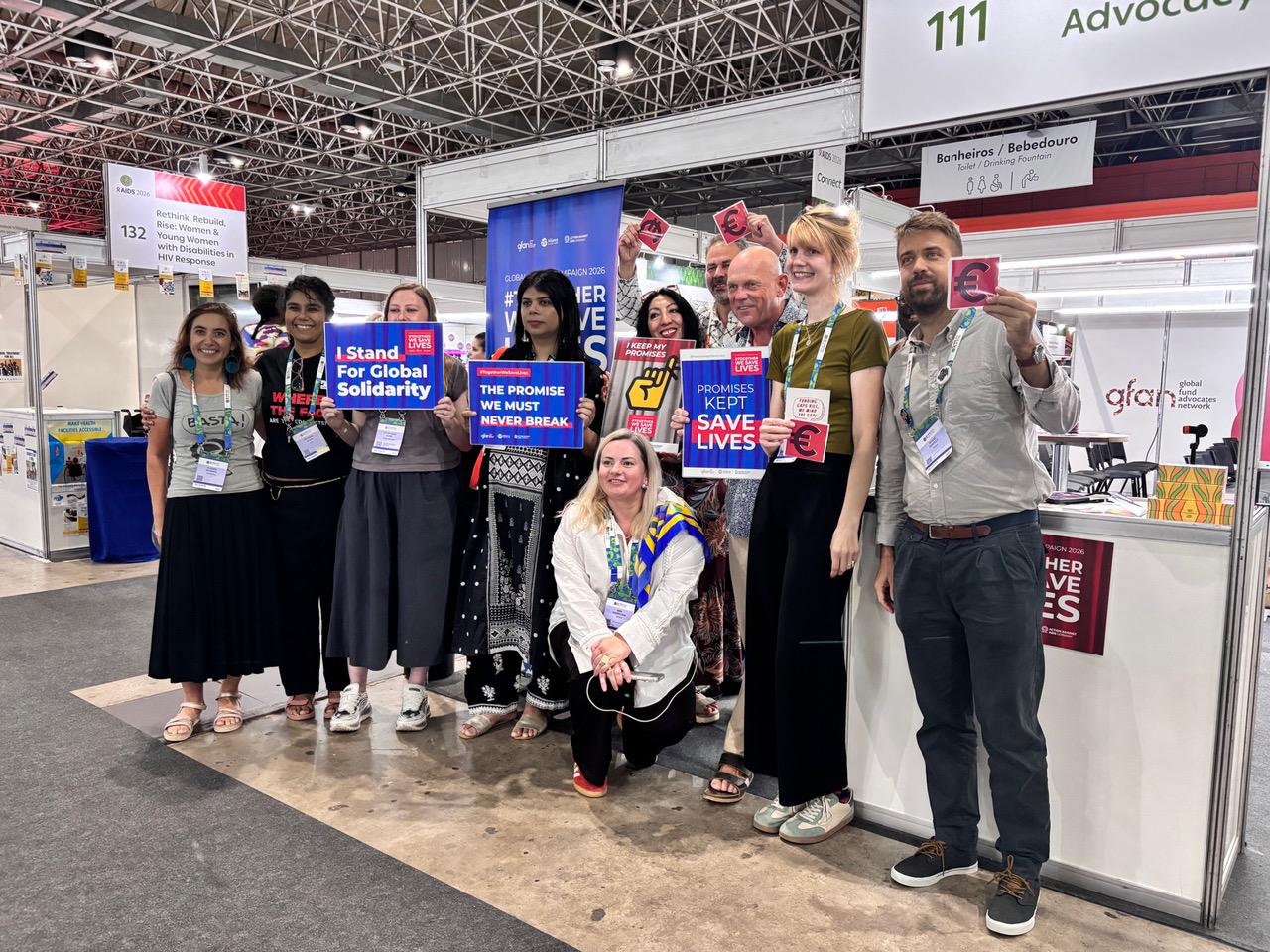
Andriy Klepikov, Executive Director of the Alliance for Public Health, attended the UN High-Level Meeting in New York. Reflecting on the discussions, he noted:
“While the Political Declaration is predominantly about what needs to be done, the thematic segments and side events focused on how to make it happen. PrEP—particularly long-acting options—an increased focus on key populations, service integration and innovation were among the central themes of the discussions. Priorities must also be shaped by the changing context, including reductions in funding. Ukraine’s experience of keeping the HIV epidemic under control amid the war resonated throughout the events.”
This engagement gives the Alliance and iSoS additional credibility during the implementation phase. The Alliance can demonstrate that it contributed practical evidence from Ukraine and the wider EECA region while the Declaration was being developed and is now prepared to support governments, Country Coordinating Mechanisms, Global Fund Country Teams and affected communities in translating its commitments into funded, implementable and measurable national actions. Led by the Alliance for Public Health with support from the Global Fund, iSoS works to sustain services for key populations, remove human-rights barriers and strengthen investment in resilient health and community systems—objectives that closely correspond to the Declaration’s central implementation priorities.
What the Declaration gives advocates
Explicit international recognition of harm reduction and OAT
The Declaration acknowledges inadequate progress in harm reduction, insufficient substance-use treatment, discrimination against people who use drugs and the damaging effects of restrictive legislation.
It commits countries to make effective HIV prevention available to 90 per cent of people who need it. The listed prevention options explicitly include harm reduction, alongside PrEP, PEP and condoms.
The comprehensive package for people who inject drugs includes:
- needle and syringe programmes;
- opioid substitution therapy, now commonly referred to as opioid agonist therapy;
- HIV testing and counselling;
- PrEP services, including oral PrEP and equitable access to long-acting PrEP options;
- antiretroviral treatment;
- condoms;
- hepatitis vaccination, diagnosis and treatment;
- tuberculosis prevention, diagnosis and treatment.
This allows advocates to position OAT not only as treatment for opioid dependence, but as a core component of a country’s HIV prevention obligations.
The Declaration also provides an opportunity to advocate for HIV responses that reflect changing drug-use patterns. Across parts of Eastern Europe and Central Asia, stimulant use is increasing, yet HIV prevention and harm reduction services often remain primarily designed around opioid use. Countries should ensure that implementation of the Declaration responds to current epidemiological trends by expanding evidence-based HIV prevention, harm reduction, mental health and community services for all people who use drugs, including people who use stimulants.
Measurable targets for communities and legal reform
The Declaration renews the 30–80–60 targets:
- 30 per cent of HIV testing and treatment-support services should be delivered by organizations led by affected communities;
- 80 per cent of prevention programmes for key populations should be community-led;
- 60 per cent of programmes addressing societal enablers should be community-led.
It also commits countries to create predictable, long-term and flexible social-contracting mechanisms for community organizations.
At the same time, governments committed to review restrictive laws, reduce stigma and discrimination and work towards the 10–10–10 targets.
A mandate for domestic financing without service disruption
The Declaration calls for sustainable domestic and international financing, national transition plans, continuity of services and protection of HIV prevention during changes in donor support.
This is critical in countries where governments finance antiretroviral medicines but community outreach, harm reduction, psychosocial support, legal assistance and key-population programmes remain dependent on international donors.
Across EECA, community organizations have been particularly exposed to recent funding reductions. UNAIDS has warned that, although many governments finance HIV medicines, outreach, peer support, prevention and human-rights work have often not been institutionalized in national systems.
4. A mandate for digital innovation in HIV responses
For the first time, the Political Declaration includes explicit commitments on digital health and artificial intelligence as part of the global HIV response. Governments committed to leverage safe, secure and trustworthy artificial intelligence and digital health for HIV prevention, testing, treatment and care, while protecting human rights, privacy, confidentiality and community trust. They also committed to address the digital divide by investing in connectivity, digital literacy and equitable access to digital health services.
This provides a strong advocacy basis for scaling up digital solutions that improve access to HIV services, strengthen community engagement and support continuity of care, particularly for key populations and people affected by humanitarian crises.
Advocates can use the Declaration to request:
- national digital HIV strategies aligned with the commitments of the Declaration;
- secure digital tools for prevention, testing, treatment adherence and retention in care;
- AI-supported patient navigation and referral systems that complement community-led services;
- telemedicine and remote consultations where appropriate;
- digital community outreach and confidential online prevention services for key populations;
- strong safeguards for privacy, informed consent and protection of personal health data;
- investment in digital literacy and equitable access to digital health technologies.
5. Stronger recognition of integrated mental health services
The Declaration recognizes mental health as an essential component of integrated, people-centred HIV care. It commits countries to integrate HIV services with mental health within primary healthcare, acknowledges the psychosocial impact of HIV-related stigma and discrimination and recognizes the growing mental health needs of people living with HIV.
Integrating mental health into HIV services improves treatment adherence, retention in care and overall health outcomes while strengthening resilient health systems.
Advocates can use the Declaration to request:
- routine mental health screening within HIV services;
- integration of psychologists, counsellors and peer-support workers into HIV programmes;
- sustainable financing for psychosocial support within HIV prevention and treatment services;
- trauma-informed and person-centred models of care, particularly in humanitarian and conflict settings;
- integration of mental health into community-led HIV programmes;
- monitoring of mental health outcomes alongside HIV programme indicators.
How to use the Declaration through CCMs and the Global Fund
Where a functioning Country Coordinating Mechanism and active Global Fund portfolio exist, country partners should request a formal CCM agenda item like “Implementation of the 2026 UN Political Declaration on HIV/AIDS in national HIV programming and Global Fund investments”.
The Country Coordinating Mechanism should be invited to place the implementation of the 2026 UN Political Declaration on HIV/AIDS on its formal agenda and to assess how the national HIV response and current Global Fund grants align with the Declaration’s commitments. This review should examine the coverage and quality of harm reduction and opioid agonist therapy, access to PrEP and PEP, community-led testing, services in prisons and after release, integration of HIV with tuberculosis and viral hepatitis, human-rights programmes, community-led monitoring, social contracting, domestic co-financing and measures to ensure continuity of essential services during donor transition.
Country partners should also prepare a concise evidence-based briefing for the relevant Global Fund Fund Portfolio Manager and Country Team. The briefing should identify the specific commitment in the Declaration, explain the corresponding national service or legal gap, present evidence from affected communities and propose a practical intervention. It should also provide an estimated cost, identify the most appropriate source of financing and clearly describe the public-health, human-rights and programme consequences of failing to act.
Fund Portfolio Managers cannot substitute for national decision-making. They can, however, ask whether funding requests, grant revisions, co-financing commitments and transition plans adequately respond to the country’s epidemic and protect key-population services.
In countries without a current Global Fund HIV allocation or active CCM role, the same approach should be directed towards national AIDS commissions, EU accession mechanisms, public-health institutes, health-insurance funds and municipal authorities.
Country Action Cards
Georgia
Priority advocacy challenge
Protecting the ability of community and civil-society organizations to operate, receive funding, provide confidential services and advocate for key populations in an increasingly restrictive civic environment.
Restrictions affecting foreign-funded organizations and public communication on sexual orientation and gender identity can create direct risks for community outreach, HIV information, testing and referral services.
Use the Declaration to request
- legal guarantees that HIV prevention and public-health information cannot be restricted under broadly formulated “propaganda” provisions;
- protected funding for community-led HIV and harm reduction services;
- contingency arrangements to prevent interruption of services if individual organizations lose access to funding;
- formal community participation in CCM and national HIV decisions;
- protection of client confidentiality and databases;
- measurable implementation of the 30–80–60 targets.
- protect community-led digital HIV services and ensure that digital innovations continue to be implemented in partnership with civil-society organizations rather than replacing community-led service delivery;
Suggested advocacy message
Georgia not only voted in favour of the 2026 Political Declaration on HIV/AIDS but also played a leadership role in the High-Level Meeting process as one of the two Member States facilitating the intergovernmental negotiations on the outcome document. This gives the country an additional level of political ownership of the Declaration and its commitments to protect civic space, finance community leadership and review laws and policies that impede access to HIV services. Georgia should therefore demonstrate domestically the same leadership it exercised internationally by safeguarding and sustainably funding the community organizations that reach populations whom the formal health system often does not reach.
Kazakhstan
Priority advocacy challenge
Protecting major national achievements in HIV treatment and financing from restrictive legislation, while continuing to expand OAT, harm reduction and community-led prevention.
Kazakhstan domestically finances most of its HIV response and has substantially expanded PrEP and social contracting. UNAIDS has nevertheless warned that legislation restricting so-called LGBTQ “propaganda” could reduce access to public-health information and services and push affected communities away from prevention and testing. (UNAIDS)
Use the Declaration to request
- a formal HIV and public-health impact assessment of restrictive legislation;
- explicit protection for scientifically accurate HIV and sexual-health information;
- continued expansion of OAT and needle and syringe programmes beyond major cities;
- take-home OAT based on clinical assessment;
- OAT, ART and harm reduction in prisons and after release;
- continued domestic financing of peer-led and community-contracted services;
- sex-, age- and key-population-disaggregated reporting on prevention coverage.
- scale up and integrate evidence-based digital service models that improve access to prevention, treatment adherence and community engagement for key populations.
Main entry points
Ministry of Health, parliament, CCM, national human-rights institutions, social-contracting authorities and the Global Fund Country Team.
Suggested advocacy message
Kazakhstan’s international commitment should be used to protect, rather than place at risk, the public-health progress already achieved through PrEP, treatment, domestic financing and community-led services.
Moldova
Priority advocacy challenge
Preventing punitive drug-policy reforms from undermining confidentiality, trust and access to healthcare.
Draft Law No. 104 proposed mandatory reporting of suspected drug use by doctors, teachers and social workers and broader punitive measures affecting people who use drugs. Civil-society and international experts have warned that these provisions could discourage people from seeking healthcare, reduce participation in harm reduction and increase HIV, hepatitis and overdose risks. (#iSoS: Empowering and Innovations)
Use the Declaration to request
- removal of mandatory reporting provisions;
- an HIV and human-rights impact assessment of the bill;
- protection of medical confidentiality;
- revision of thresholds for possession for personal use;
- abolition or substantial reform of compulsory narcological registration;
- adoption of a balanced national drug strategy;
- stable public financing for OAT, needle and syringe programmes and naloxone;
- meaningful community participation in drug-policy governance;
- registration, procurement and equitable access to long-acting PrEP;
- ensure that confidential digital health services are protected from legislative changes that could undermine trust, privacy and access to HIV services;
Main entry points
Parliament, Ministry of Health, Ministry of Internal Affairs, Ombudsperson, National Drug Commission, CCM, EU Delegation, Pompidou Group and Global Fund Country Team.
Suggested advocacy message
Moldova voted for a Declaration that identifies restrictive drug laws and discrimination as barriers to HIV services. Domestic legislation should not create exactly the barriers the country has committed to remove.
Kyrgyzstan
Priority advocacy challenge
Moving successful community innovations from projects into national programmes and budgets.
A community-based hepatitis C model supported by the Alliance demonstrated that people who inject drugs can be tested, diagnosed, treated and followed up through trusted community organizations. In Kyrgyzstan, thousands of people were tested, hundreds started treatment and previously undiagnosed HIV cases were identified and linked to ART. (Альянс громадського здоров’я)
Use the Declaration to request
- national adoption and financing of community-based HIV and hepatitis testing and treatment;
- integration of HIV, HCV, TB and OAT services;
- expansion of OAT and harm reduction outside major urban centres;
- community-based naloxone distribution;
- uninterrupted treatment in detention and following release;
- simplified contracting of community organizations;
- formal inclusion of community monitoring in national information systems.
- institutionalize and sustainably finance national digital information systems and digital service models that have demonstrated their value through community implementation.
Main entry points
Ministry of Health, Mandatory Health Insurance Fund, CCM, prison health authorities, parliament and Global Fund Country Team.
Suggested advocacy message
Kyrgyzstan already has evidence that integrated community-led models work. The Declaration can be used to move these models from pilot status to nationally financed standard practice.
Tajikistan
Priority advocacy challenge
Preventing donor reductions from eliminating peer support, prevention and services for women, children and key populations.
UNAIDS has documented the dependence of community organizations in Tajikistan on international funding and the risks that funding disruptions pose to HIV testing, PrEP, psychosocial support and linkage to treatment. (UNAIDS)
Use the Declaration to request
- a costed transition and sustainability plan;
- a protected minimum budget for prevention among key populations;
- national social contracting for community organizations;
- uninterrupted OAT and harm reduction commodities;
- preservation and expansion of PrEP;
- specific financing for women living with HIV and families of children living with HIV;
- community-led monitoring of treatment interruptions and discrimination;
- annual public reporting against the 30–80–60 targets.
- maintain and continue developing national HIV information systems to strengthen programme quality, monitoring and evidence-based resource allocation.
Main entry points
Ministry of Health and Social Protection, Ministry of Finance, CCM, parliament, national AIDS centre, UN Country Team and Global Fund Country Team.
Suggested advocacy message
Financing medicines without financing the community systems that connect people to those medicines is not a sustainable HIV response.
Bosnia and Herzegovina
Priority advocacy challenge
Ensuring that administrative fragmentation does not produce unequal access to HIV prevention and treatment across entities, cantons and municipalities.
Use the Declaration to request
- a nationally agreed minimum HIV service package;
- common standards for confidential testing, ART referral, PrEP and post-exposure prophylaxis;
- interoperable referral mechanisms that protect privacy;
- comparable indicators across the Federation of Bosnia and Herzegovina, Republika Srpska and Brčko District;
- community-led testing and outreach outside major cities;
- guaranteed OAT and HIV services in prisons;
- harmonized procurement and access to modern HIV medicines and diagnostics;
- sustainable financing for NGOs serving key populations.
Main entry points
State-level coordination bodies, entity and cantonal ministries of health, public-health institutes, justice authorities, UN agencies, EU institutions and relevant national coordination mechanisms.
Suggested advocacy message
A person’s access to HIV prevention and treatment should not depend on the entity, canton or municipality in which they live.
Serbia
Priority advocacy challenge
Closing prevention and late-diagnosis gaps by bringing testing, PrEP, harm reduction and treatment navigation closer to key populations.
Use the Declaration to request
- national scale-up of community and mobile HIV testing;
- clear pathways from reactive community tests to confirmatory diagnosis and immediate ART;
- publicly financed PrEP with community-based access;
- a national pathway for the introduction, procurement and sustainable financing of PrEP (including long-acting PrEP);
- advocacy to ensure that long-acting PrEP is included in national prevention guidelines and reimbursement arrangements;
- HIV self-testing accompanied by referral mechanisms;
- sustainable financing for outreach to MSM, sex workers, transgender people and people who use drugs;
- expanded OAT and harm reduction in prisons;
- routine community-led monitoring of stigma in healthcare and law enforcement.
Main entry points
Ministry of Health, Institute of Public Health, national HIV commission, health-insurance fund, prison administration, civil-society platforms and EU accession institutions.
Suggested advocacy message
Low national prevalence does not justify low investment in prevention. It makes targeted community-led prevention more feasible and more cost-effective.
Montenegro
Priority advocacy challenge
Preventing a small concentrated epidemic from being neglected because the absolute number of diagnosed cases is relatively low.
Use the Declaration to request
- a costed national PrEP programme;
- advocacy for inclusion of long-acting PrEP in national clinical guidance and public financing mechanisms;
- community-based and mobile testing;
- introduction or wider availability of HIV self-testing;
- annual estimates of the size and service coverage of key populations;
- stable financing for community organizations;
- integrated HIV, hepatitis and STI services;
- access to OAT and harm reduction in community and prison settings;
- rapid linkage to treatment and routine viral-load monitoring.
Main entry points
Ministry of Health, Institute of Public Health, health-insurance fund, national AIDS coordination mechanisms, justice authorities and EU accession partners.
Suggested advocacy message
A low-prevalence epidemic should be kept low through targeted prevention, not used as a justification for postponing investment.
Albania
Priority advocacy challenge
Reducing late diagnosis and preventing gaps in testing, condoms and community prevention following changes in external financing.
Use the Declaration to request
- a funded national late-diagnosis reduction plan;
- routine provider-initiated testing in relevant clinical settings;
- community and mobile testing for key populations;
- national procurement of rapid tests and condoms;
- introduction and sustainable public financing of PrEP;
- registration, procurement and equitable access to PrEP (including long-acting PrEP);
- advocacy focused on ensuring access for key populations and people who experience barriers to daily oral PrEP;
- expansion of harm reduction and OAT beyond limited sites;
- prison HIV and OAT services;
- public financing of civil-society prevention programmes;
- annual publication of testing and treatment cascade data.
Main entry points
Ministry of Health and Social Protection, Institute of Public Health, health-insurance authorities, parliament, EU Delegation, UN agencies and relevant national coordination bodies.
Suggested advocacy message
The end of external financing cannot be allowed to become the end of prevention. Albania’s UN commitment requires a clear domestic-financing solution.