April 30, 2026

Strategic Recommendations for EECA Countries: iSoS Partnership Experience in Ready-to-Use Solutions for GC8

A new document will help Country Coordinating Mechanisms prepare competitive funding requests to the Global Fund

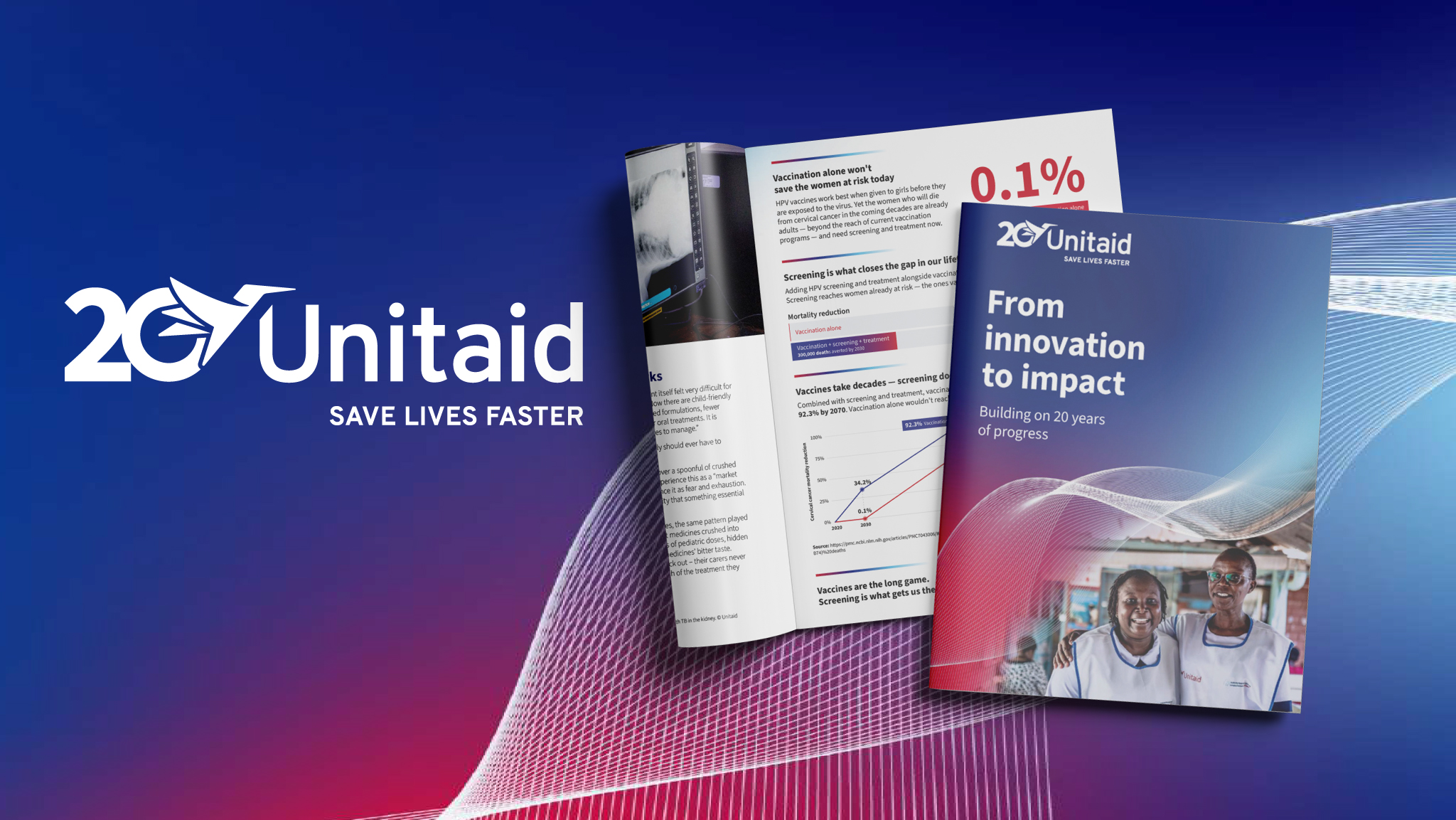
The Alliance for Public Health, within the iSoS regional project, has presented a new strategic document – “Strategic Recommendations for EECA Countries: High-Impact Interventions for GC8 Funding Requests”.

The document has been developed specifically for Country Coordinating Mechanisms (CCMs) in Eastern Europe and Central Asia and contains ready-to-use interventions that can be directly incorporated into funding requests under the Global Fund’s Grant Cycle 8 (GC8).

Why this matters

GC8 introduces significant strategic shifts: a stronger focus on people-centered services, community leadership, digital transformation, and sustainable health systems. The new guide helps CCMs build proposals that are aligned with these priorities — technically sound and strategically competitive.

The document addresses real regional challenges: fragmented data systems, limited reach of programs for key populations, low PrEP retention, underfunded human rights mechanisms, and insufficient development of domestic financing mechanisms.

What the document includes

Each intervention is presented in a standardized, CCM-friendly format: problem statement, intervention description, expected results, and indicative budget. All components are modular, scalable, and adaptable to national priorities.

The document includes six interventions:

  1. Budget Advocacy and Social Contracting for sustainable HIV financing
  2. DHIS2-based National HIV Prevention, Care and Support Information System
  3. REAct (Rights–Evidence–Action) – systematic monitoring and response to human rights barriers to service access
  4. Long-Acting PrEP – injectable Lenacapavir, new long-acting oral agents, and telePrEP
  5. LADB – Long-Acting Depot Buprenorphine as an opioid agonist therapy option for people who inject drugs
  6. TWIIN – AI-based digital assistant for service access and referrals

The interventions can be incorporated into HIV, TB, RSSH, CRG, or prevention modules and adapted to national epidemiological contexts.

Three strategic functions of the document for CCMs:

  • Ensuring alignment with GC8 priorities
  • Strengthening evidence-based decision-making
  • Supporting inclusive and transparent CCM deliberations

The document is available for download below. For more information on any of the listed interventions, please contact the Alliance for Public Health: iSoS Project Director Sergiy Filippovych: filippovych@aph.org.ua

More
Share
April 29, 2026

World Hepatitis Summit 2026

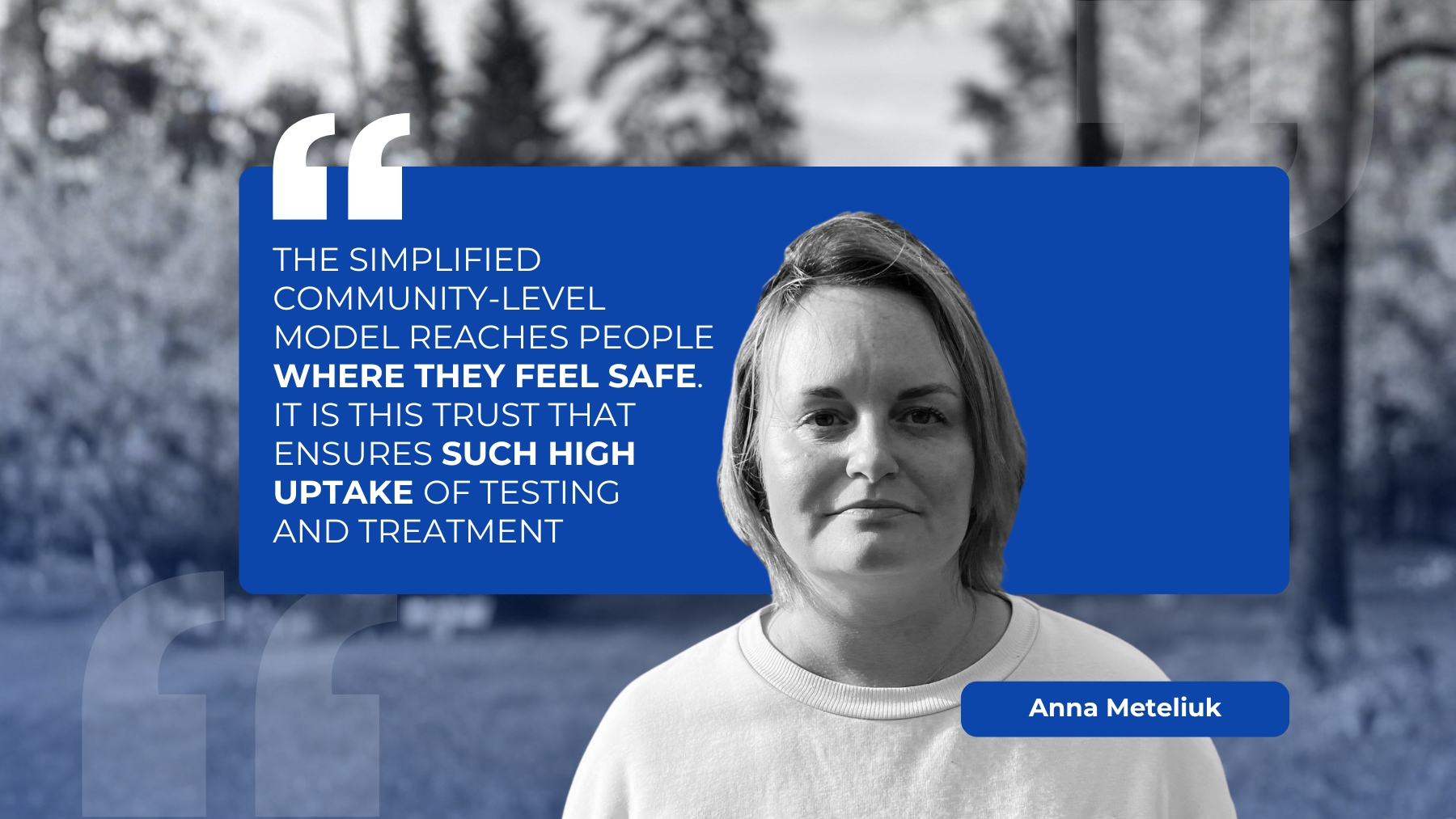
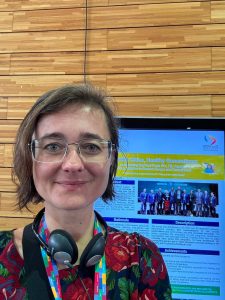
As part of World Hepatitis Summit 2026, taking place from 28 to 30 April 2026 in Bangkok, Anna Meteliuk, representing the Alliance for Public Health, delivered a presentation.

She presented preliminary results of the study:

“Simplified Community-Based HCV Testing, Diagnostics and Treatment Algorithm for People Who Inject Drugs in Kyrgyzstan: Facilitators and Barriers of the Model.”

This study addresses one of the most pressing gaps in hepatitis C response — access to care for people who inject drugs.

In Kyrgyzstan:

  • ~25,000 people inject drugs
  • HCV prevalence among them reaches 62.2%
  • Access to state-funded treatment remains limited

The research explores a community-based, simplified model of care that integrates testing, diagnostics, and treatment into harm reduction services.

Key findings show that:

  • Trust in providers, confidentiality, and “one-stop” services significantly improve treatment uptake
  • Free and accessible services at the community level are critical
  • Barriers such as stigma, long travel distances, bureaucracy, and waiting lists still limit access

Despite these challenges, the model demonstrates strong potential to increase treatment initiation and completion among people who inject drugs.

The study is presented within the project “Innovate, Involve, Inspire: Preventing Hepatitis C Through Community-Led Harm Reduction (HEPC III)”, which is led by Frontline AIDS (UK) in partnership with the Alliance for Public Health (Ukraine) and is implemented in Kyrgyzstan with local partner Association “Partnership Network”.


More
Share
April 16, 2026

Drug Policy and Civic Space in EECA: Key Insights from CND69 and EU Accession

We are presenting a new issue of the iSoS Digest, focused on EU accession processes, global discussions at the UN level, and shifts in civic space that are shaping the future of drug policy in Eastern Europe and Central Asia.

This edition brings together key materials and analysis to better understand these dynamics — from the outcomes of the Commission on Narcotic Drugs 69th Session to the role of EU accession as a driver of reform.

In this issue:

  • how the EU accession process influences drug policy
  • why human rights are becoming central to global discussions
  • how shrinking civic space affects access to services
  • key events, materials, and videos from CND69

This edition also includes analysis prepared in collaboration with the Eurasian Harm Reduction Association and other regional partners.

View the full digest: https://archive.sendpul.se/v/5ijuv/a68c/

More
Share
April 15, 2026

Alliance for Public Health launches international fundraising campaigns to support people affected by the war

The full-scale war in Ukraine is not only destroying lives — it is also putting the sustainability of essential public health programmes at risk. In response, the Alliance for Public Health (APH) is launching a series of international fundraising campaigns to ensure continued support for the people and communities most affected.

These campaigns combine international partnerships with a range of fundraising tools — from traditional platforms to innovative digital solutions — to mobilise resources for the long-term sustainability of critical public health programmes.

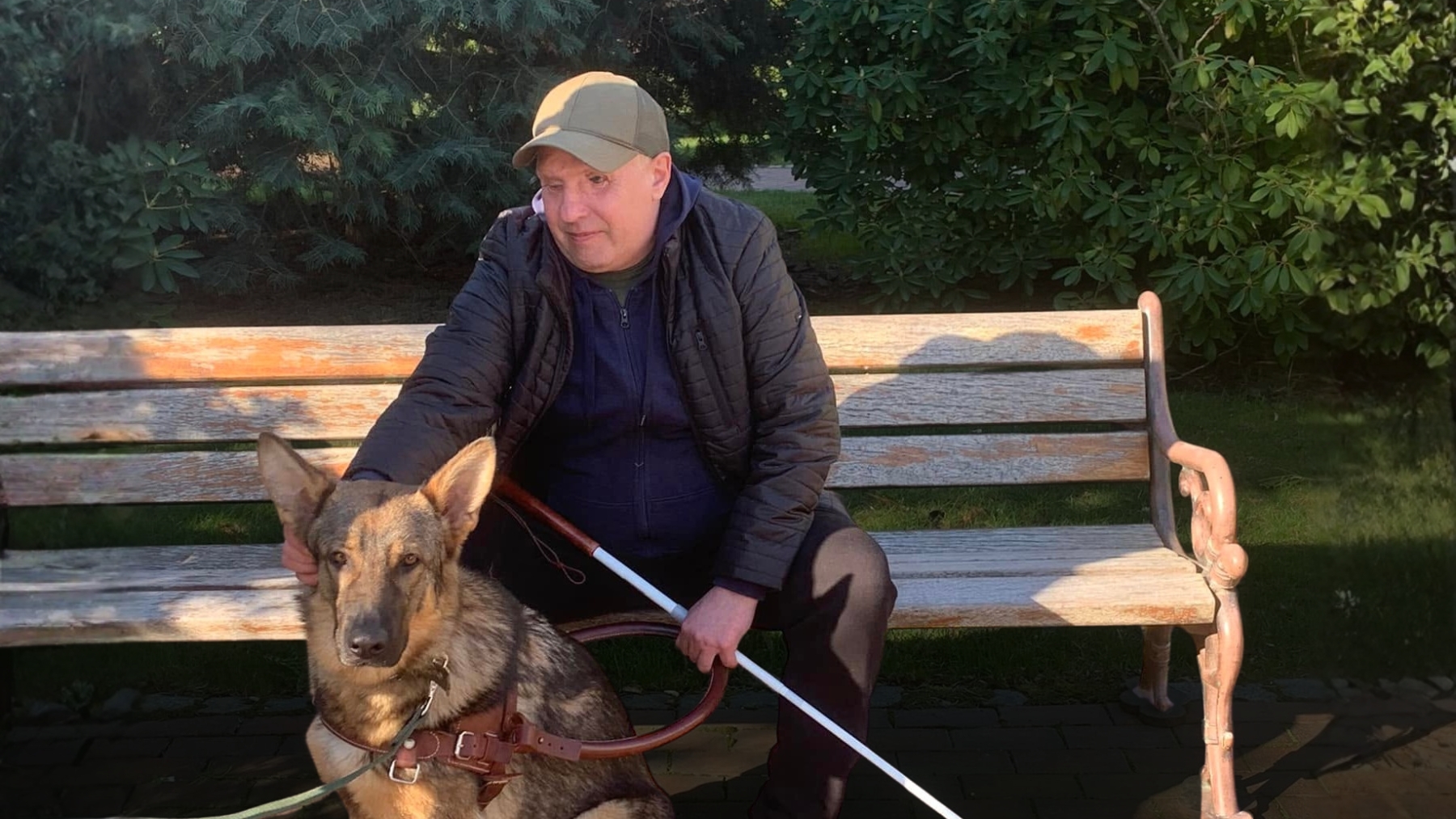
One of the first initiatives in this series is Touch Point, a comprehensive rehabilitation programme for blind veterans in Ukraine. These are individuals who have lost their sight as a result of the war and require long-term support to regain independence and return to daily life.

The programme includes mobility and orientation training, digital skills development, psychological support, and continued assistance after reintegration into the community. It is based on evidence-informed approaches and aims to achieve lasting social impact by restoring independence and improving the quality of life of veterans and their families.

“In the context of a full-scale war and shrinking international funding, diversifying resources is no longer a matter of development — it is a matter of programme survival. This is why APH is open to new partnerships and solutions that enable long-term, systemic support for veterans and vulnerable populations,”
says Tetiana Deshko, Director for International Programmes and Development at the Alliance for Public Health.

“For blind veterans, support is not only about rehabilitation — it is about the opportunity to live independently again, to be part of their communities, and to rebuild their future together with their families.”

New approaches to financing public health programmes have also been highlighted in an analytical article published on the Crypto Altruists platform — New Funding Pathways for the Alliance for Public Health: Supporting Ukraine’s Blind Veterans with Crypto — as well as in the podcast Impact Onchain: Bridging the Gap for Nonprofits and Changemakers, featuring Ievgen Kushnir, Senior Programme Manager at the Alliance.

“For us, this campaign is not only about new funding sources, but about finding sustainable solutions at a time when traditional financing models are changing. We are using diverse tools to support those who need it most,”
notes Ievgen Kushnir.

The podcast also explores how emerging technologies, including Web3, can help nonprofits more effectively mobilise resources and build sustainable funding models, and presents practical tools for safely using new forms of donations.

The Alliance for Public Health continues to expand partnerships with international technology and philanthropic communities to ensure the sustainability of key programmes supporting vulnerable populations in Ukraine.

Other fundraising priorities

The Touch Point project is part of the Alliance’s broader response to the complex consequences of the war. In parallel, the organisation is mobilising support for other critical programmes, including:

  • Mobile clinics providing screening, treatment, and referrals in frontline communities where access to healthcare is limited or unavailable;
  • Lviv Habilitation Center — an inclusive, barrier-free space supporting the rehabilitation and reintegration of veterans and civilians with disabilities, focused on restoring independence and supporting families

As part of the campaign, the Alliance will also share stories of people receiving support, highlighting the real impact of these programmes and the needs they address.

How to support

  • You can support the Alliance’s programmes today:
  • via direct donations on the Alliance for Public Health platform:
    https://donate.aph.org.ua/en/
  • via the international platform GlobalGiving (Touch Point)
  • via alternative digital giving tools on the Endaoment platform (Touch Point)

as well as through other fundraising channels used within the campaign

Every contribution helps people affected by the war regain independence, dignity, and control over their lives — and supports sustainable solutions in public health in Ukraine.

More
Share
April 07, 2026

The EU Steps Up for Global Health in Uncertain Times

Today, the European Commission announced  its intention to pledge a total of €700 million overall for the 8th Global Fund’s replenishment, subject to the outcome of the upcoming Multiannual Financial Framework negotiations.

At a time when budgets are under strain, priorities are competing, and the world feels increasingly unstable, stepping up for people affected by HIV, TB and malaria around the world is very welcome and a clear sign of the EU’s ambition to lead on global health. This commitment will help save millions of lives and keep everyone safer, including in Europe. It will support Africa’s ability to lead on its own health priorities, and build resilience in places under severe stress. This includes countries affected by war, such as Ukraine, where the continuity of HIV and TB services is critical not only for emergency response, but also for long-term recovery. With many donors cutting back on aid, the Commission’s renewed support for the Global Fund sends a much-needed signal of leadership and solidarity.

While the announced €700 million is slightly lower than in the current funding period, we hope that ongoing EU budget discussions will make it possible for the Commission to go the extra mile and increase its pledge to €800 million. Such an increase would help soften the impact of shrinking health aid, speed up the rollout of new potentially transformational tools to eliminate the three diseases, and ensure the people most at risk are not left behind.

Finally, we hope this moment highlights the need for the EU to properly fund efforts that tackle global challenges in the next long-term budget. Defending the overall envelope of the Global Europe Instrument, introducing a benchmark for human development, and ensuring sufficient resources for global health will be essential. This will allow the European Commission to match its policy ambitions – including the forthcoming Global Health Resilience Initiative – with the funding needed to turn them into reality.

Aidsfonds | Friends of the Global Fund Europe | Alliance for Public Health | Global Health Advocates | The ONE Campaign

More
Share
March 24, 2026

Fighting Tuberculosis in Wartime: Resilience and Results That Save Lives

Despite entering the fifth year of the full-scale war, Ukraine’s tuberculosis (TB) response continues to function and save lives. In response to unprecedented challenges—including damaged infrastructure, the displacement of millions of people, and limited access to healthcare—healthcare workers, civil society organizations, and international partners are finding new solutions to ensure access to diagnosis and treatment for those who need it most.

In 2025, programs supported by the Alliance for Public Health demonstrated tangible results:

  • over 75,000 people from vulnerable groups were screened for tuberculosis;
  • 1,159 TB cases were detected — 100% of patients initiated treatment;
  • TB detection efficiency among key populations improved by 16%;
  • the rate of patients lost to follow-up decreased to 4%;
  • over 5,000 TB cases have been diagnosed among key populations since the start of the full-scale invasion.

Particular attention was given to the most vulnerable populations, including internally displaced persons (IDPs), among whom 21 times more TB cases were detected in 2025 compared to 2021—due to active case finding and expanded access to services.

A comprehensive approach combining community-based active case finding, contact investigation, mobile clinics, telemedicine, and community support enables early diagnosis, continuity of treatment, and reduced transmission—even in frontline regions.

The integration of mental health into TB care became one of the key achievements of 2025: thousands of patients received psychological support, significantly improving treatment adherence and outcomes.

The report also highlights innovative approaches, including:

  • mobile clinics and small outreach teams in remote and de-occupied communities;
  • digital solutions (Help24, TWIIN) ensuring access to services during the war;
  • the development of community-led monitoring and legal support for patients.

The report also features patient stories demonstrating how the combination of medical, psychological, and social support transforms lives and helps overcome barriers to treatment.

The full report is available at: http://aph.org.ua/wp-content/uploads/2026/03/World-TB-Day-2026-ENG.pdf

More
Share
March 17, 2026

Webinar: innovative healthcare in Ukraine

How can digital tools help support people living with HIV during war?

Join an upcoming webinar hosted by HivNorge, Positiiviset ry / HivFinland, and Alliance for Public Health (Ukraine) to learn how innovative digital solutions are helping ensure access to healthcare for people living with HIV in Ukraine.

During the webinar, Tetiana Deshko and Maria Malakhova from the Alliance for Public Health will present two key initiatives:

• Help24 TeleHealth — a digital platform connecting patients with healthcare professionals online

• TWIIN — an AI-based digital assistant designed to provide trusted health information and support

These tools are particularly important for people affected by the war, including internally displaced persons and refugees, as well as vulnerable communities such as sex workers and people who inject drugs.

Speakers will also discuss:

• digital healthcare in times of war

• privacy and data protection

• how digital services can reach vulnerable communities

Over the past 25 years, Alliance for Public Health has become one of the leading organizations in the HIV response in Ukraine and internationally.

Register by March 24, 16:00 CET

The webinar will be held in English and will include time for questions.

Registration: https://hivnorge.no/kalender/innovativ-helsehjelp-i-ukraina-innovative-healthcare-in-ukraine/

This webinar is part of the project “Integrated health services in times of war. Experiences from Ukraine”, supported by the Nordic Council of Ministers.

More
Share
February 24, 2026

Alliance for Public Health releases report on four years of wartime resilience

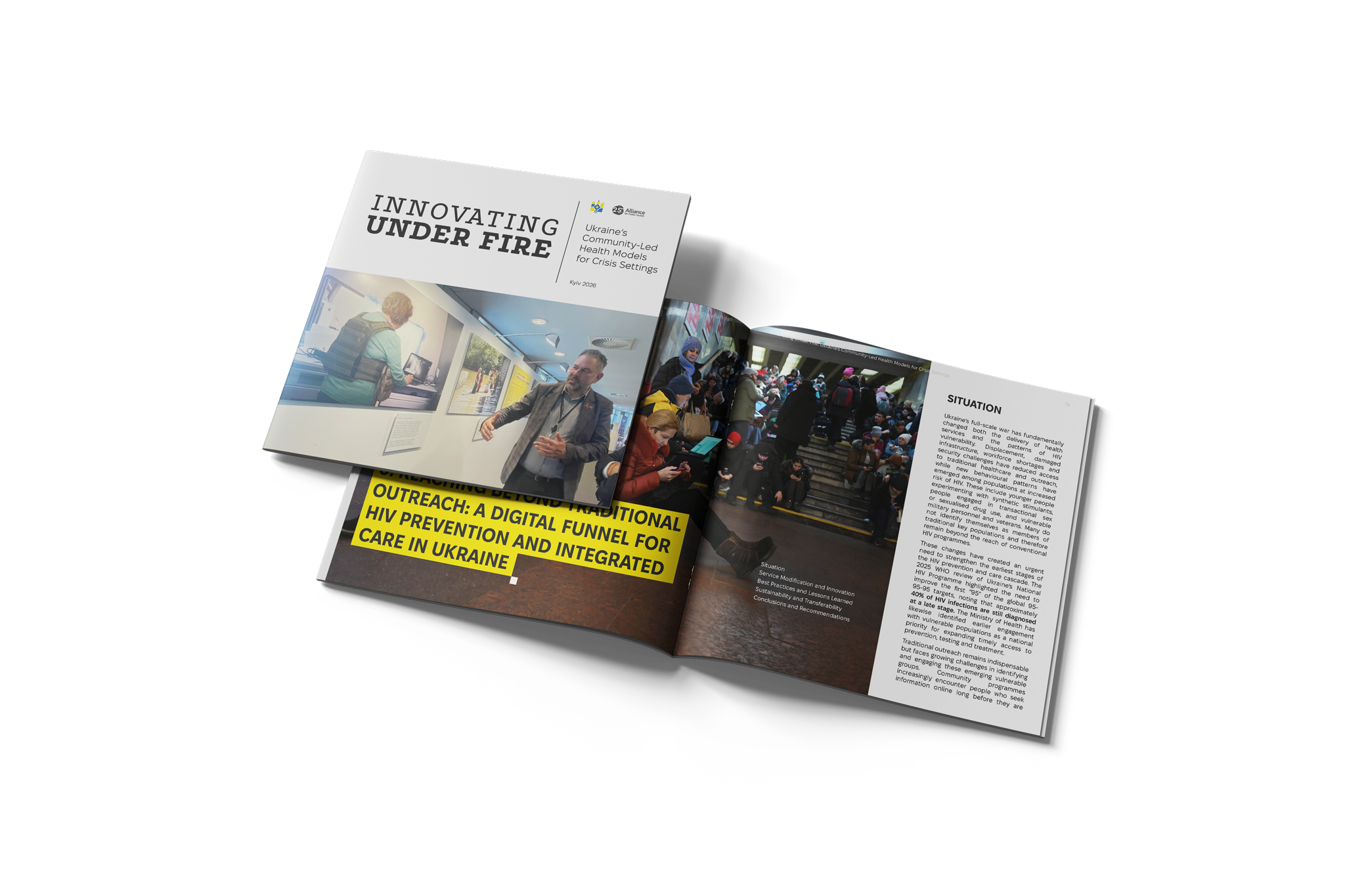
Alliance for Public Health has released a new report “25 Years of Lifesaving Impact. Four Years of Resilience in Wartime,” highlighting how Ukraine’s HIV, tuberculosis and hepatitis programs have continued to operate during four years of Russia’s full-scale invasion.

Since February 2022, Ukraine has faced unprecedented challenges. About 20% of the country’s territory remains temporarily occupied, more than 2,500 medical facilities have been damaged or destroyed, and 15 million people have been displaced. Despite this devastation, HIV and TB services in Ukraine have not collapsed — they have adapted, innovated and continued reaching people in need.

Over the past four years, more than 2 million people have benefited from services supported by Alliance for Public Health and its partners, helping to prevent a secondary public health crisis during the war.

“Four years into Russia’s full-scale invasion, Ukraine is not only fighting for its territory — it is fighting for the right to protect human life under fire,” said **Andriy Klepikov, Executive Director of Alliance for Public Health. “Resilience in Ukraine is not a slogan. Through community leadership, innovation and international solidarity, we have preserved epidemic control and supported more than two million Ukrainians during the war.”

Among the key results highlighted in the report:

  • 17,426 new HIV cases detected by Alliance and partners — 42% of all cases nationwide
  • 21,391 people supported to start or return to life-saving HIV treatment
  • 5,167 TB cases diagnosed among key populations
  • Mobile medical teams reaching 452 frontline and rural communities
  • 6,730 patients accessing hepatitis C treatment

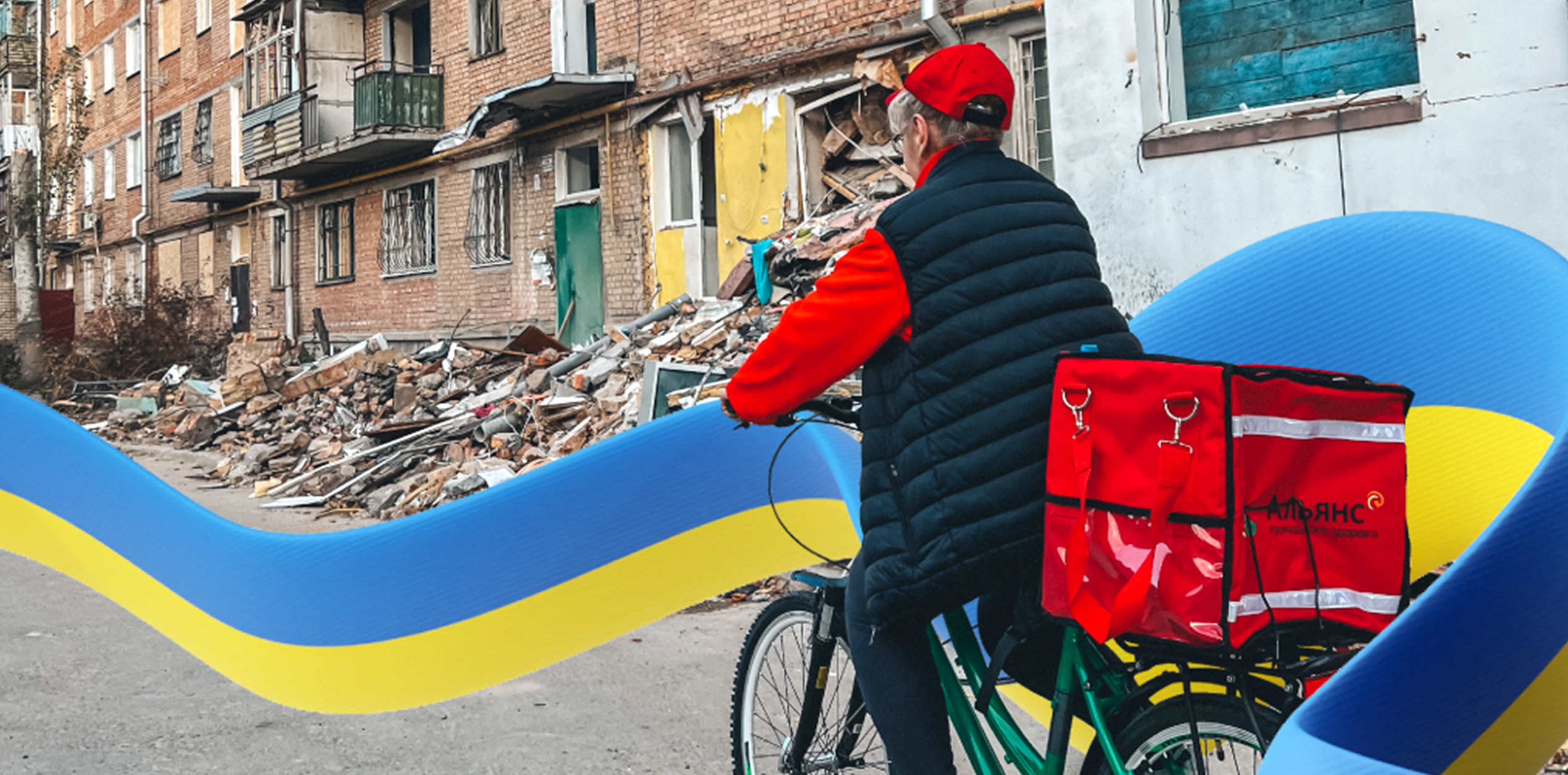
Mobile clinics have become a critical solution for delivering healthcare in frontline and de-occupied areas. Since 2022, Alliance teams have conducted 799 missions, providing integrated medical services to 29,400 people in hard-to-reach communities.

Digital platforms such as #HelpNOW and Help24 have also played a vital role in maintaining access to treatment, telemedicine consultations and psychosocial support for Ukrainians affected by the war.

The report also highlights Alliance’s humanitarian response, support for veterans and internally displaced people, and efforts to strengthen Ukraine’s public health institutions and community systems during wartime.

Read the full report:
https://aph.org.ua/wp-content/uploads/2026/02/Ukraine_4_Years_of_Resilience_Report.pdf

Explore Alliance’s 25-year impact:
https://stories.aph.org.ua/APH25/

More
Share
February 24, 2026

Situation Reports on Supporting the Sustainability of Healthcare Programs during the russian War in Ukraine

In the situation of an unprecedented Russian aggression, the Alliance for Public Health is, as always, at the frontlines, fighting for Ukraine and its people. We remain with the people of Ukraine in the struggle for the sovereignty of Ukraine.


February 24,  2026/ FOUR YEARS OF RESILIENCE IN WARTIME

December 1, 2025 / 25 Years of Lifesaving Impact – Leading Change. Saving Lives. Shaping the Future.

March 24,  2025/Statement – FIGHTING TB UNDER FIRE: Ukraine’s Resilient and Innovative Response

February 24,  2025/ No Break in the struggle

December 1, 2024/ World AIDS Day 2024: ADDRESSING HIV DURING WARTIME IN UKRAINE 

November 19, 2024 / 1000 days since the world discovered Ukrainian courage and resilience

June 1, 2024 / World Children’s Day 2024: STOLEN CHILDHOODS

March 24/ 2024 World TB Day in War-Torn Ukraine: a Story of Resilience

February 23,  2024/ HIV in Ukraine in the midst of the war

December 31, 2023/ 2024: strong, agile and resilient! Annual statement

December 15, 2023/ Summary report of #HELPNOW HUB for 2022 -2023: 20 months of continuous assistance for 37 thousand Ukrainians around the world

December 1, 2023/  World Aids Day: Resilience Amidst War

October 23, 2023 (stories)/ More than 218,000 Ukrainians received help thanks to new initiatives: people’s life stories and ways to overcome the problems brought on by the war

June 1, 2023/ On International Children’s Day Alliance for Public Health calls to prioritize more children affected by war in Ukraine

March 24, 2023/ UNBREAKABLE AGAINST TB: Situation report on World TB Day

February 23,  2023/ 365 Days of War: Ukrainian HIV/TB Response Stands Strong!

December 31,  2022/ #HelpNow HUB 2022: Support that can’t wait!

December 01,  2022/ War crimes and violations of the rights of key communities against the background of russian military aggression

December 01,  2022/ World AIDS Day: accelerating HIV response during the war

September 01,  2022/ #HelpNow HUB — 6 months being near you to help where you are!

June 20, 2022 situation report/ Humanitarian Convoys of the APH: 111 DAYS ON THE ROAD, 111 DAYS OF AID.
June 10, 2022 situation report/ VIRAL HEPATITIS C.
June 2, 2022 situation report/ 100 days of war. Alliance for Public Health: Response to War Challenges
May 20, 2022 situation report/ POST-OCCUPATION: regions liberated from Russian occupation.
May 6, 2022 situation report/ Prevention
April 28, 2022 situation report/ Internally displaced people and refugees.
April 8, 2022 situation report/ Humanitarian aid.
April 4, 2022 situation report/ Special issue: Situation in the temporarily occupied territories of Kherson and Kherson region
March 31, 2022 situation report/ Special issue: Opioid Agonist Treatment (OAT)
March 26, 2022 situation report
Special Issue/ Situation in Mariupol. Situational Report: response of Alliance to challenges caused by the Russian aggression against Ukraine
March 21, 2022 situation report
March 14, 2022 situation report
March 8, 2022 situation report

More
Share
February 23, 2026

Small Team, Big Mission: APH’s Mobile TB Screening in Kherson

X-ray technician Maria travels to de-occupied and frontline settlements in the Kherson region of Ukraine – places where hospitals are destroyed, pharmacies are closed, transport links are severed, and mobile connection is often unavailable. She is a member of a mobile medical team for a tuberculosis screening project in the Kherson region where the risk of tuberculosis remains one of the highest in the country  due to the war, forced displacement, and interrupted treatment.

For Maria, joining this project was no accident. She has worked in medicine her entire life. While workplaces and conditions have changed, her desire to be useful and to learn has remained constant. When she heard about the launch of mobile TB screening in frontline communities, she had no doubts. “I knew it would be difficult there. But if not us, then who?” says Maria. She applied, underwent the necessary training, mastered modern diagnostic equipment, and became part of a team working where the traditional healthcare system is not yet functioning and accessible.

In 2024, the tuberculosis incidence rate in the Kherson region increased approximately 1.5 times. This isn’t surprising given that  diagnosis has been delayed by the war. During each trip, suspected cases of TB are identified that would have otherwise gone undetected without screening. Early detection allows treatment to start on time, to prevent severe complications and to receive better treatment outcomes.

At 6:00 AM, Kherson is still in semi-darkness. The air is cold and tense – the way it only feels on the frontier of war. Maria closes her front door, checks her backpack, and gets into the car. Another mission lies ahead.

Just as the team is about to leave the city, an air raid siren cuts through the silence. Alerts appear on their phones, warning of a possible drone attack. The team turns back and takes shelter, following established safety procedures. Only after the all-clear signal do they set off on the road. “You quickly learn to distinguish sounds here – an ‘outgoing’ shot from an ‘incoming’ hit or an interception. Your fear never truly disappears,” Maria admits.

Working alongside her are radiologist Lyubomir and nurse Valentyna. Each of them understands that they need to balance  risk and necessity on every trip. In frontline conditions, it is not just the number of patients examined that matters, but also preserving equipment and ensuring the safety of the staff by choosing the right route to avoid becoming a target. They must make constant judgement calls and  quick decisions on the go, under the sound of sirens and explosions.

Even a short drive through the Kherson region carries risks. The team navigates carefully, balancing speed and safety to reach people cut off from medical care.

The journey takes over five hours navigating broken roads, missing signs and destroyed bridges. But the specialists reach even the most remote villages – sometimes covering 150–200 km one way. They bring with them not only modern equipment but also a chance for diagnosis and treatment.

The mobile brigade reached their intended destination around noon. People are already waiting. For many, this is their first medical examination since the start of the war. “We have been waiting for you for a long time,” says an older woman as she enters the room.

In these communities, medicine is provided in nearly impossible circumstances. There is only one paramedic serving  several villages. In the Kherson region, these are mostly older paramedics working at the limit of their capacity in the realities of war and without full medical support. In winter, the centers are unheated. There is no electricity, and in some places, not even water. In such conditions, regular check-ups or early diagnostics are effectively a luxury. That is why the arrival of the medical team is more than a service. It is their lifeline, an opportunity to save health and even lives.

The portable X-ray is set up. The reception begins. Every patient is interviewed, examined. The images are analyzed in Kherson. In case of suspected tuberculosis, people are referred for further in-depth medical examination.

  • Over five hundred people pass through the mobile screening clinic in the Kherson region every month for many, it is the first medical examination after the war started. Without such trips, these communities would remain outside the healthcare system.
  • In the second half year of 2025, the mobile team systematically covered 37 settlements in 17 rural communities, conducting X-ray screening for 1,771 people. 22 sputum tests using GeneXpert  were performed, 12 patients were referred for further examination with suspected tuberculosis, and 1 case of active TB was confirmed.


These people are residents of frontline communities whose regular access to medicine was interrupted by the war. They are mostly pensioners and people with limited mobility.

Mykola, 75, local resident, pensioner Mykola is among the first to arrive. He says he heard about the medics’ arrival from the village head. The last time he saw a doctor was before the full-scale invasion when the district hospital was still operating. Then came occupation, shelling, and destroyed roads. He has neither the strength nor the desire to travel anywhere. For him, this examination is a chance to check on his health.

Olena, 36, displaced person Olena has lived in the village for two years with her two children – she fled another district of Kherson after shelling. She feels fine but decided to get checked “for peace of mind.” She says she is most afraid not of the disease, but of not being able to get treatment if she falls ill. Maria explains how aid is provided under this project, reassures her, and says that no one will be left alone with a diagnosis. After the examination, Olena exhales: “At least now I know everything is in order.”

Petro, 62, local resident, working on house restoration Petro is a pensioner but still works on clearing rubble and repairing houses after shelling. He says he is constantly working in dust and in the cold, often without proper nutrition. He knows little about tuberculosis but heard that the disease “likes such conditions.” He doesn’t panic but takes it seriously: “If there is something, it’s better to know now.” For him, the arrival of the mobile brigade is an opportunity to undergo TB screening without traveling to Kherson.

Towards evening, the team sets off back to Kherson. Ahead is darkness, a road without lights, and another five-hour journey. Maria is tired but calm. “It’s not extraordinary. It’s just work that someone has to do,” she says.


The mobile tuberculosis screening project in the Kherson region is implemented by the ICF “Alliance for Public Health” in partnership with the Phthisiopulmonology Medical Center of the Kherson Regional Council, with the support of Frontline AIDS and financial support by SIDA.

Every X-ray image is not just an examination, but a chance to break the chain of tuberculosis transmission in communities where treatment has been interrupted by war, displacement, and a lack of access to medicine. It is thanks to international support and partnerships that such mobile teams can work regularly rather than occasionally to maintain continuity of care, even in frontline regions.

“Thank you for coming,” a woman says as she leaves, holding Maria’s hand tightly. This phrase captures the entire essence of frontline medicine. Where war has destroyed hospitals and aid routes, people are still waiting. And someone must reach them with vital equipment, knowledge, and life-saving medicine to stop the spread of tuberculosis during the war.

Photo: Oleksandr Andryushchenko

More
Share