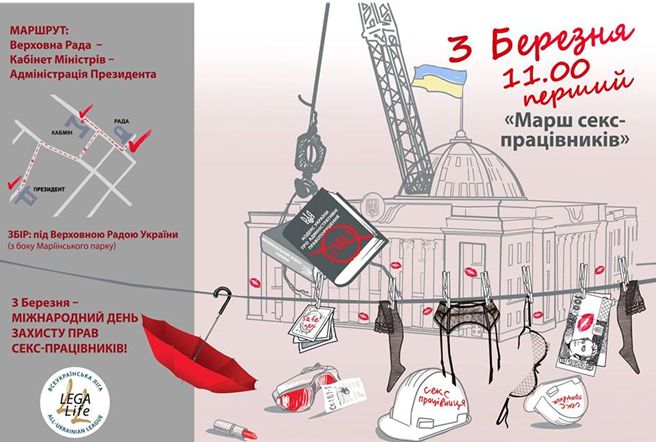
On the International Sex Workers Rights Day marked on 3 March 2017, for the first time in Ukraine a group of civil society activists and sex workers with support of human rights advocates held a Sex Workers March, demanding to cancel administrative responsibility for prostitution (article 181-1 of the Code of Administrative Offences of Ukraine). This day was announced as the national day of mourning for miners who died as a result of the tragic accident on March 2, so organizers (All-Ukrainian League “Legalife” and Alliance for Public Health) after a minute’s silence called on participants to proceed with the event in the format of a “silent procession”.
To draw the attention of public officials to the problem of violation of sex workers’ rights, their stigmatization and violence towards them, marchers with improvised posters “My work is my choice!”, “Sex work is also work!”, “Taxes, not penalties!”, “armed” with red umbrellas and hard hats, masks, “certificates of sex workers” as well as some elements of their professional “workwear”, led their silent peaceful procession along the government quarter, heading their way from the building of the Supreme Council, past the Cabinet of Ministers, to the Administration of the President of Ukraine, which was the final point of the march.
“Currently article 181-1 of the Administrative Code is still used as a repressive instrument of corruption, extortion, intimidation and violence”, – said Yulia Dorokhova, leader of the movement for the rights of sex workers, lawyer of the All-Ukrainian League “Legalife”.
Threats to issue an administrative offence report for prostitution are traditionally used by corrupt members of law enforcement bodies as a means of psychological pressure on sex workers, which often leads to mental and physical violence as the legislation of Ukraine works against them, depriving them of their rights to human dignity and protection.
“In Ukraine, the laws are used to commit unlawful acts! I had to do “volunteer work” in police [provide sex services to policemen for free] for them not to issue an administrative offence protocol. If I said no, they could have beaten me”, – confesses Olena, a sex worker from Zhytomyr region.
“Administrative responsibility for prostitution is one of the essential factors contributing to the spread of HIV epidemic in Ukraine. According to the joint estimates, today in Ukraine there are about 80 thousand of sex workers. Only in the capital city, there are almost 11 thousand of them. In the east of Ukraine, over 25 thousand people provide sex services to earn their living. The Supreme Council of Ukraine with billions of dollars in cash recorded in electronic declarations of people’s deputies, cannot continue to shamelessly ignore and marginalize a rather big group of Ukrainian citizens”, – said co-organizer of the event, Pavlo Skala, Director: Policy and Partnership at Alliance for Public Health.
Participants of the march brought to the Parliament, Government and President’s office a draft law developed by them on canceling the administrative responsibility for prostitution, calling people’s deputies to sign this legal document and submit it for consideration to the Supreme Council, rather than engage in “political prostitution” behind the scenes. Though this week the premises of Parliament was empty and quiet as the deputies are currently away “working with their voters”.
Recognized human rights organizations also supported the main demand of the marchers:
“People who provide sex services are one of the most socially unprotected populations in the world. They are very vulnerable to discrimination, violence and abuse of power. We advocate for complete decriminalization of all aspects of voluntary provision of sex services and call for comprehensive legal protection of sex workers from exploitation, trafficking and violence,”- told Oksana Pokalchuk, director of Amnesty International in Ukraine.
Media Coverage of Event





 The meeting was convened due to a new turn in the development of TBEC as well as new challenges and opportunities in TB response, which call for strategic decisions. The Coalition was founded in 2009 and over the years became a dynamic network of civil society organizations and activists, who join their efforts to end the epidemic of tuberculosis in Eastern Europe and Central Asia (hereinafter – EECA). TBEC develops joint initiatives with TB People, which is the first network of people with experience of TB in EECA, and the Global TB Caucus, an international movement that brings together over 1,500 parliamentarians from 130 countries of the world committed to the fight against TB.
 Members of the Steering Committee and Secretariats as well as partners invited to take part in the meeting in Kyiv during the strategic planning session formulated a joint TBEC vision “World Free of Tuberculosis” and a relevant mission “Civil Society driving the TB Response”!
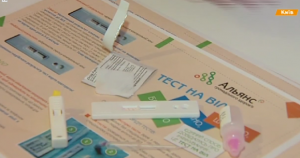 Alliance makes a special focus on promotion of HIV self-testing as any person can test his/her fingertip blood for HIV antibodies, this process is rapid and safe and does not require other people’s assistance. Currently HIV self-testing is
 One of the important program components is organizing social and medical support for adolescents who use drugs. The participants reviewed scheme of the work of social and medical support teams, criteria of client enrolment into the support program and practical cases, with which local teams face.
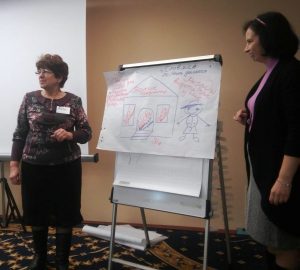 “It really helps that our work is structured and we are supported by our partners in solving difficult situations. We like it that we can use the wide range of forms and tools in working with this target group.”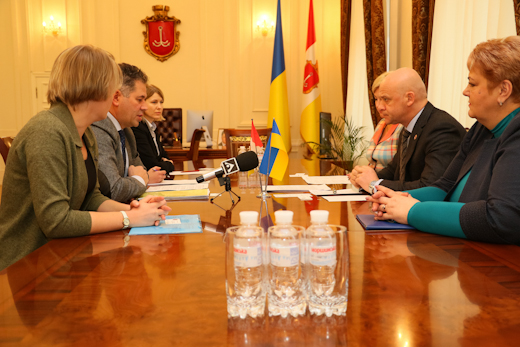
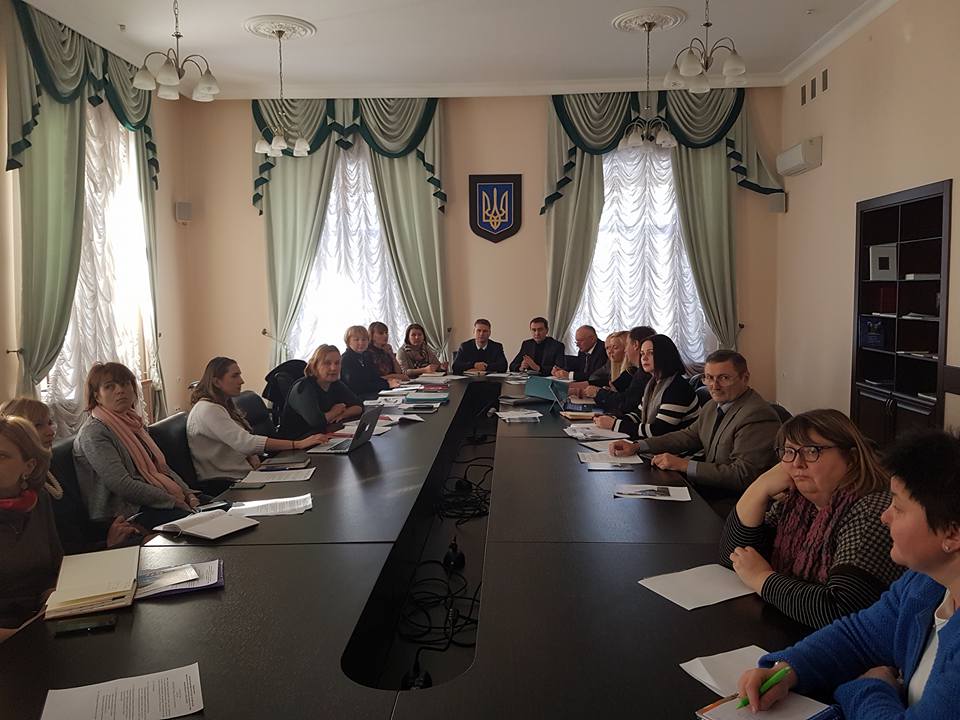
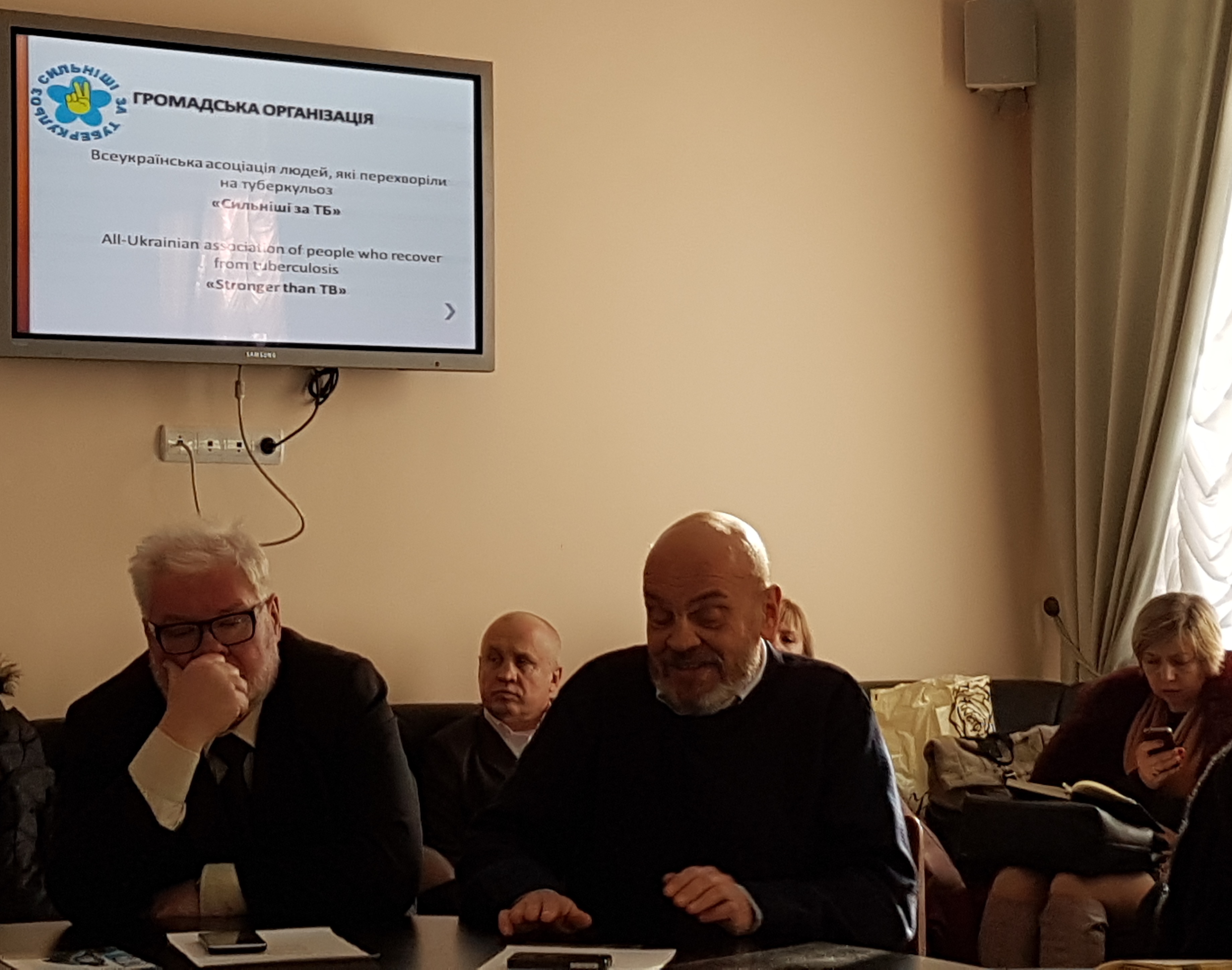 The group was created in order to elaborate and implement an action plan on the TB care reform in Ukraine. An important aspect of this reform is support of patient-oriented treatment of TB patients using outpatient care models. The specific objectives, which should be resolved by the government in the course of reforming the TB care, are related to capacity building and management of human resources as well as improving the effectiveness of funding in the delivery of TB care. The state, guided by the Ministry of Health, demonstrates its commitment to the reform by supporting the high-level national coordinating group.