Ukraine is known for having a severe TB epidemic. It is one of the TOP 5 countries in the world with the highest burden of multidrug-resistant tuberculosis (MDR-TB): MDR-TB is detected in each fourth patient with newly diagnosed TB and in each second patient with TB relapses. Besides, Ukraine has the worst in Europe TB cure rates – only 71% of new TB cases and 39% of MDR-TB cases are cured. Generally, every year over 30,000 people in Ukraine are diagnosed with TB (four new cases every hour), with every eighth patient dying.
On World TB Day, Alliance for Public Health is presenting solutions that are making a major difference in a challenging TB environment, comprehensively addressing TB detection and treatment.
Diagnostics
Alliance is implementing a project aimed at early TB detection among most-at-risk populations. In 2016, over 160,000 clients were reached with screening survey, and 14,000 of those screened positive were examined for TB at healthcare facilities. Finally, 92% of those diagnosed with TB started proper treatment at healthcare facilities. In particular, addressing HIV/TB co-infection is our special focus.
Treatment access
With mobilized resources from the Global Fund and other donors, Alliance dedicated over half of its budget for addressing TB, mainly for procurement of MDR-TB medicines. In 2015-2016 only, we reached USD 34.6 million worth of MDR-TB drugs delivered in all regions of Ukraine.
As of January 1st 2017, altogether 12,551 patients were enrolled to MDR-TB treatment within the program supported by Alliance with the Global Fund funding, and 5,535 of them continued receiving medications and social care from Alliance.
Treatment success
We proved that patient-centred approach with social support is not an additional element which might be added to standard medical MDR-TB treatment. It is a key cornerstone element of the successful MDR-TB treatment.
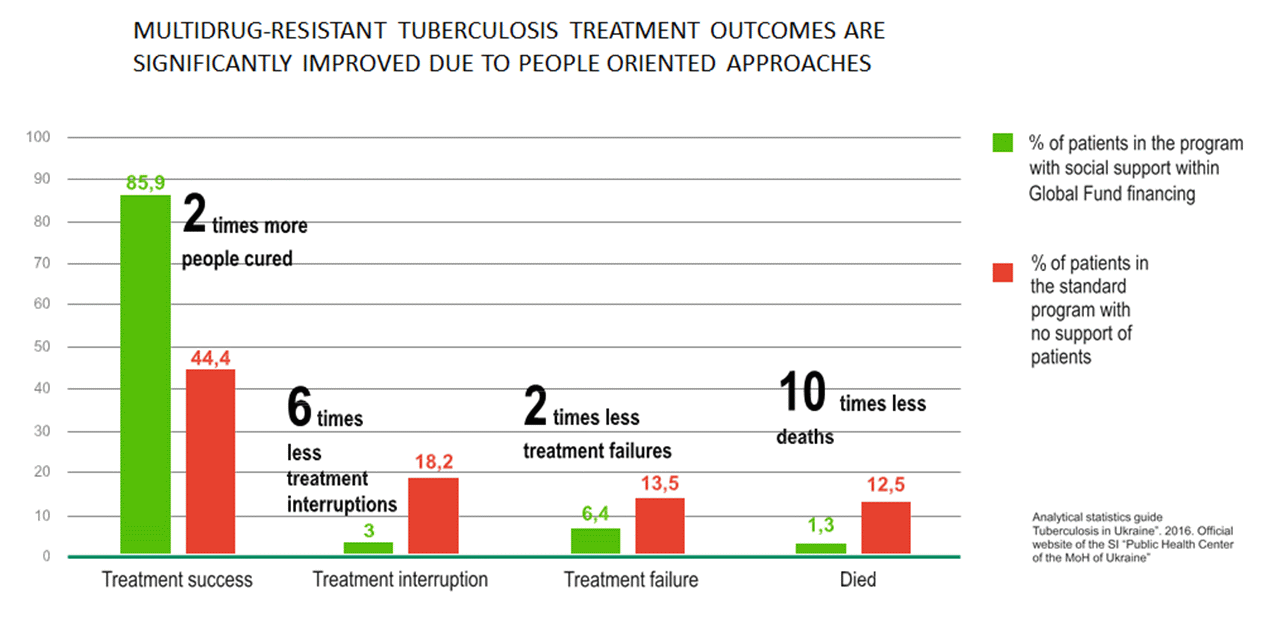
Within its pilot projects supported by the Global Fund, Alliance proved that combination of medical, social and psychological support allows increasing MDR-TB cure rate twofold. 80% of patients with MDR-TB were cured. This is a really impressive result, considering that the average treatment success rate for such patients in Ukraine is less than 40%.
Despite the growing challenges, Alliance continues its work on the temporarily occupied territories in the east of Ukraine. Alliance successfully delivered humanitarian aid, including MDR-TB treatment, for over 1,400 patients. We also support our 12 partner civil society organizations in Donetsk and Luhansk oblasts working to ensure early TB detection among most-at-risk populations.
Alliance applauds the governmental leadership and growing commitment to stop the TB epidemic. The result is our joint success based on the partnership with the Ministry of Health, State Centre for Public Health, Ukrainian Red Cross Society, Network of PLWH and numerous civil society organisations, community groups and medical facilities. We are greatly thankful to our international partners: The Global Fund, WHO, TB Europe Coalition, Stop TB Partnership, UN Secretary General Special Envoy on HIV/AIDS in Eastern Europe and Central Asia, United Nations Special Envoy on Tuberculosis, UNAIDS, Zero TB Cities, Global TB Caucus, PAS Center, US Government, PATH and other programs we are coordinating our response with.
Ukraine is currently developing a new proposal to the Global Fund for 2018-2020, with significant funding for TB. It is critically needed to scale up patient centred approach to all in need and eligible MDR-TB patients, to focus on missed TB cases and those lost to follow up. Over the new program, Alliance is planning to gradually transfer the civil society components ensuring patient-centred approach to the MDR patients currently funded by the Global Fund to the domestic funding. The newly approved by the Government 2020 Strategy to fight TB and HIV epidemics sets a good framework for this.
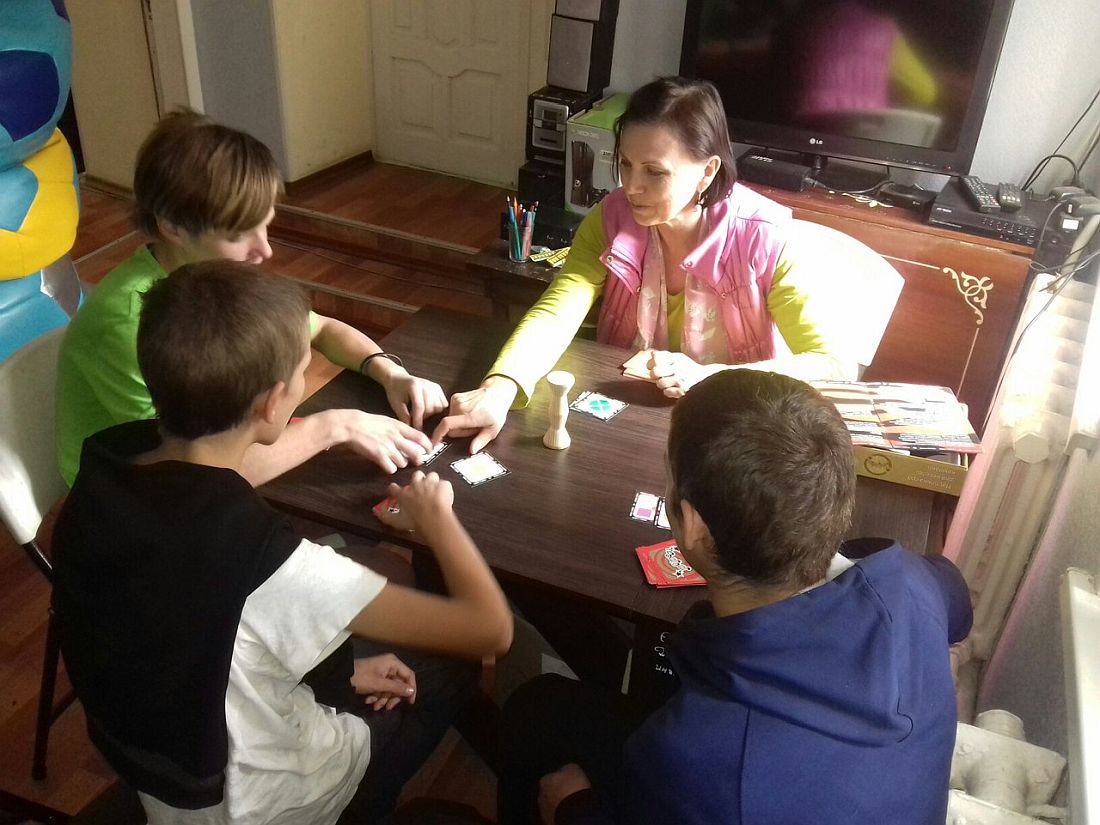
 On 20 March 2017, Practice Centre for HIV, Hepatitis C and Drug Use run by Alliance for Public Health organized a webinar “Harm reduction for adolescents who use drugs in Ukraine: reaching the underserved”. Iryna Zharuk, Project Coordinator presented the experience of Alliance for Public Health in implementing this innovative project. Participants of the webinar learnt about the intervention design, planning steps, networking and partnership, project activities, research component, challenges and how they are addressed. To listen to the webinar,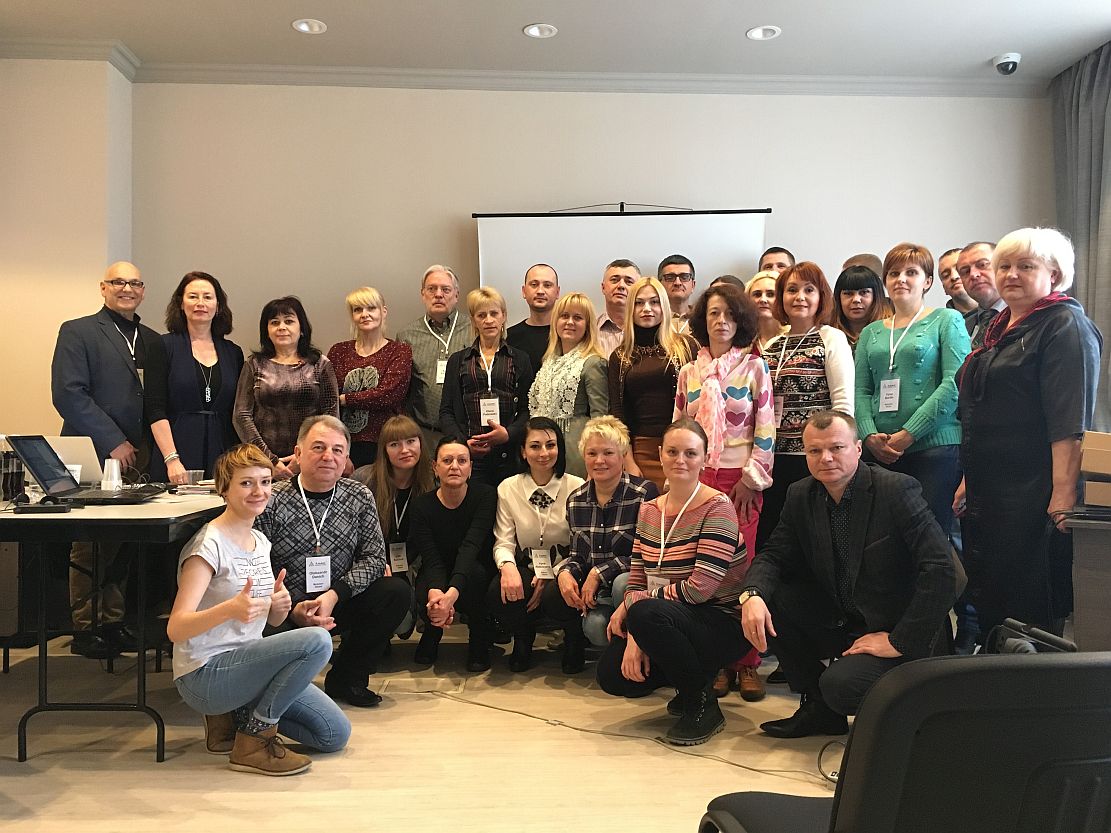
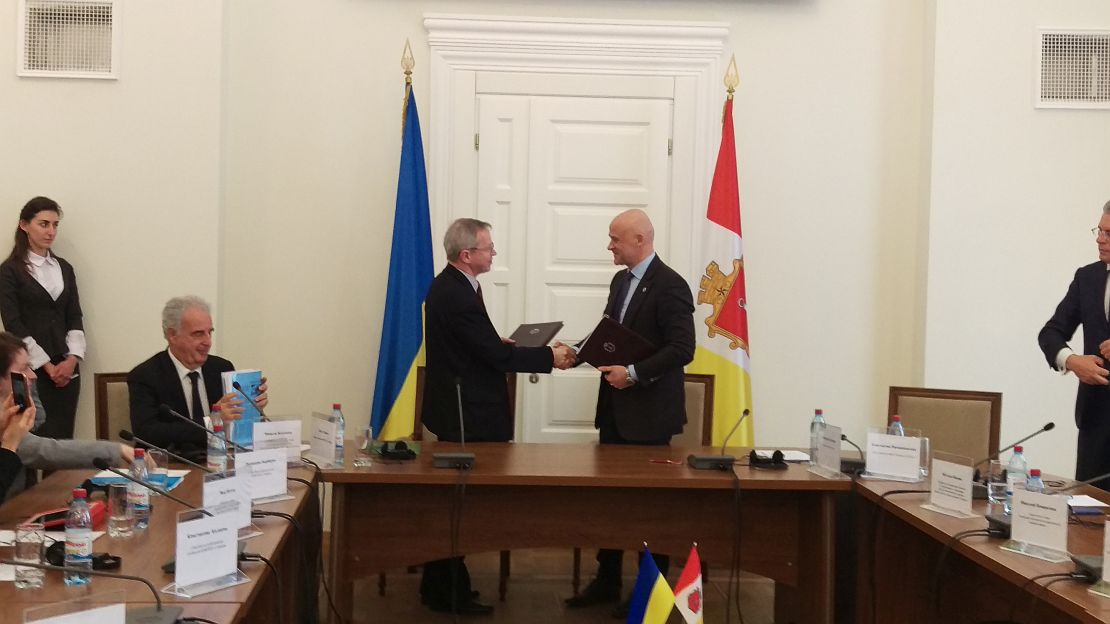
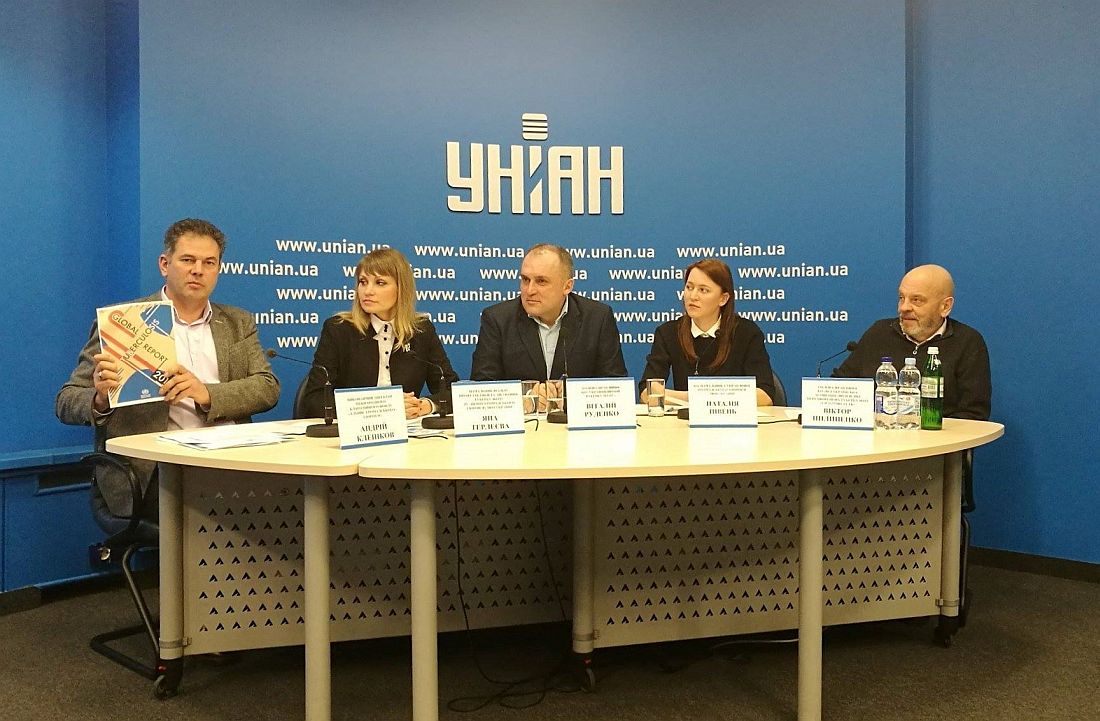
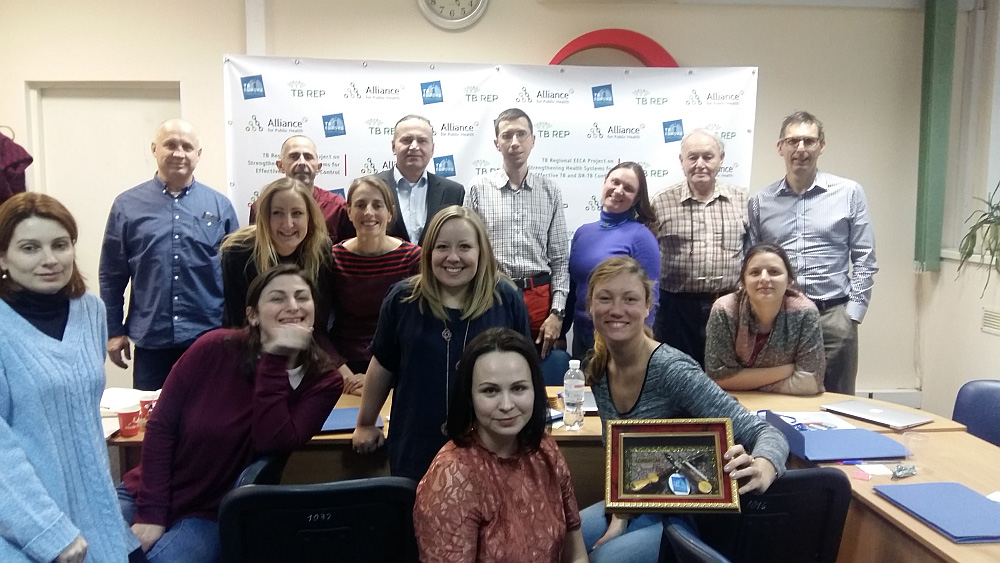
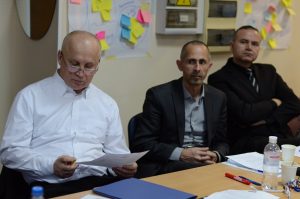 The meeting was convened due to a new turn in the development of TBEC as well as new challenges and opportunities in TB response, which call for strategic decisions. The Coalition was founded in 2009 and over the years became a dynamic network of civil society organizations and activists, who join their efforts to end the epidemic of tuberculosis in Eastern Europe and Central Asia (hereinafter – EECA). TBEC develops joint initiatives with TB People, which is the first network of people with experience of TB in EECA, and the Global TB Caucus, an international movement that brings together over 1,500 parliamentarians from 130 countries of the world committed to the fight against TB.
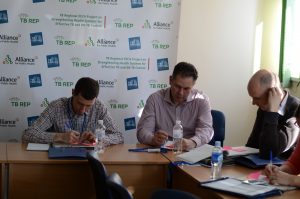 Members of the Steering Committee and Secretariats as well as partners invited to take part in the meeting in Kyiv during the strategic planning session formulated a joint TBEC vision “World Free of Tuberculosis” and a relevant mission “Civil Society driving the TB Response”!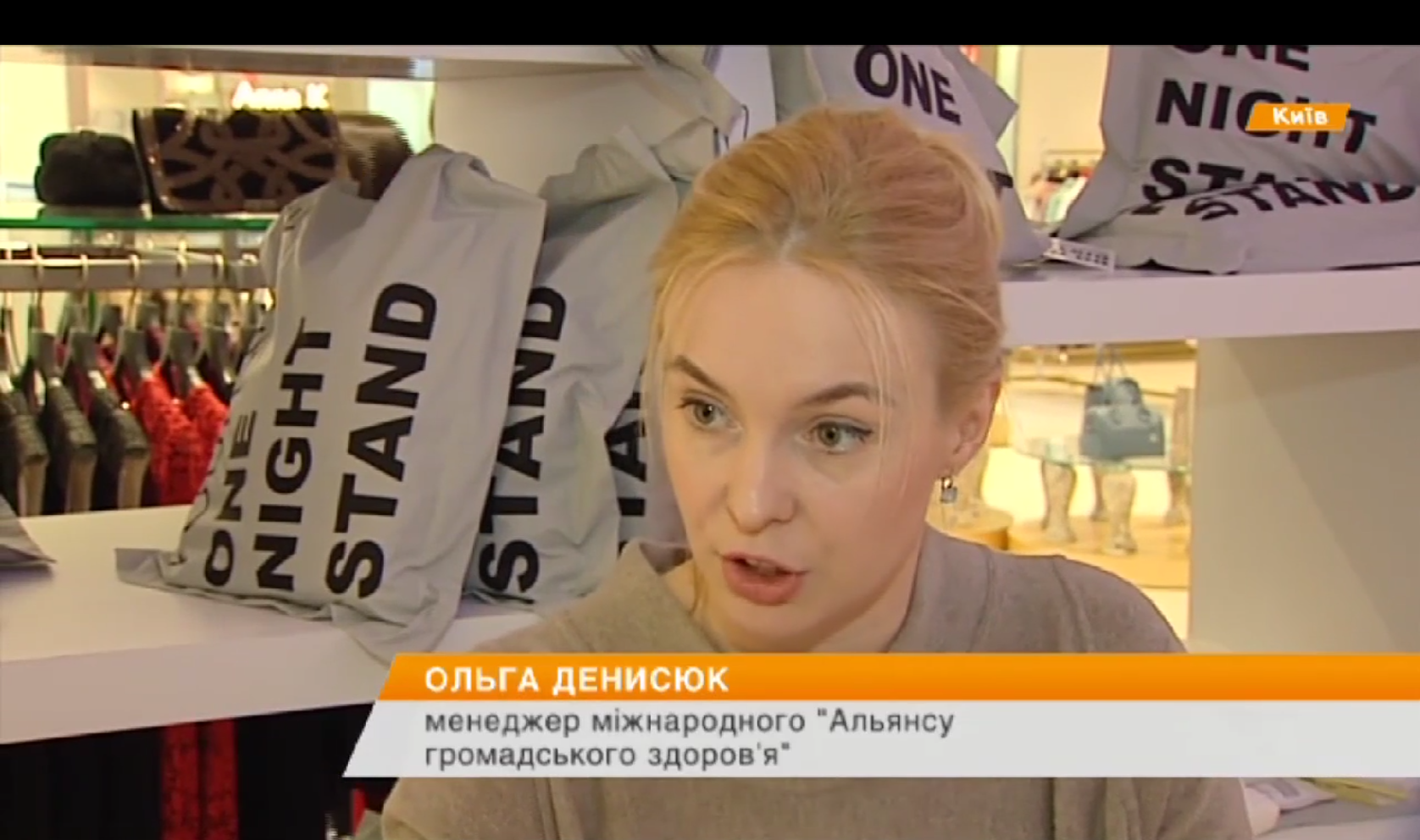
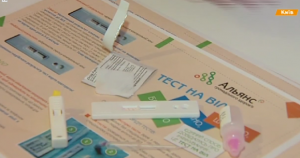 Alliance makes a special focus on promotion of HIV self-testing as any person can test his/her fingertip blood for HIV antibodies, this process is rapid and safe and does not require other people’s assistance. Currently HIV self-testing is
 One of the important program components is organizing social and medical support for adolescents who use drugs. The participants reviewed scheme of the work of social and medical support teams, criteria of client enrolment into the support program and practical cases, with which local teams face.
 “It really helps that our work is structured and we are supported by our partners in solving difficult situations. We like it that we can use the wide range of forms and tools in working with this target group.”