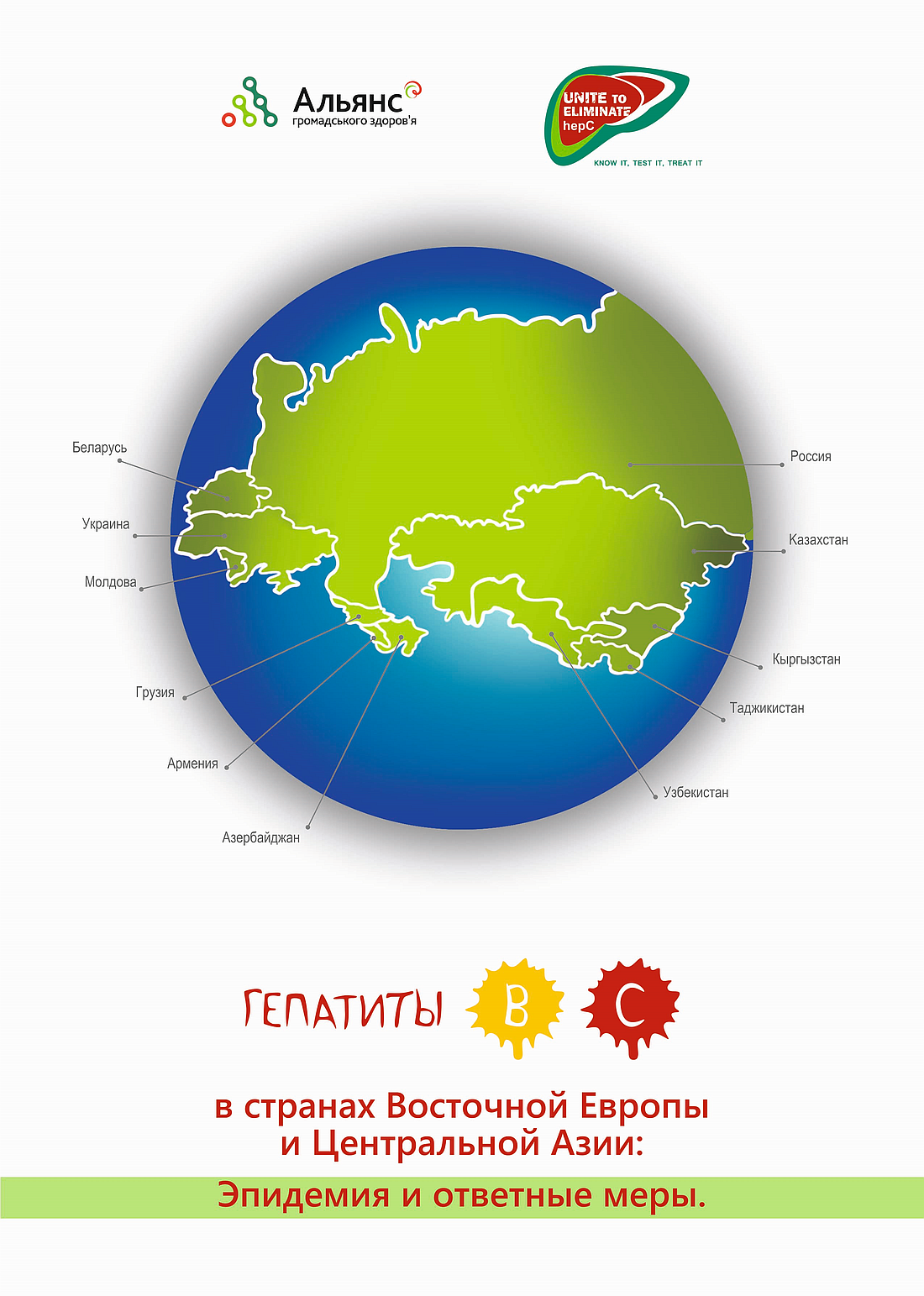
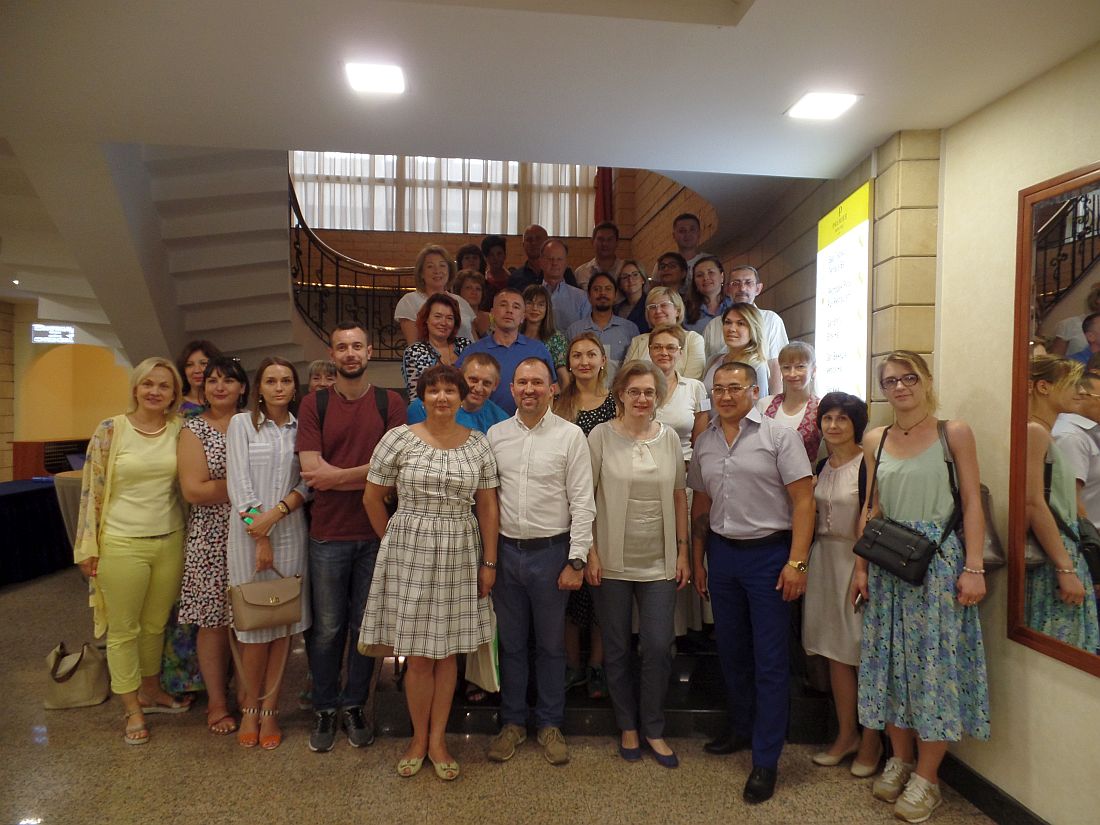
On 28 July 2017, Alliance for Public Health (Alliance) together with 28 partner organizations held a traditional all-Ukrainian awareness-raising campaign dedicated to the World Hepatitis Day, which is marked on this day all over the world. In Kyiv, the event was held in the Shevchenko Park. All participants had a chance to get tested for Hepatitis C for free, get qualified consultations of doctors and social workers, and receive information materials. Though today we live in an information-oriented society, the level of public awareness concerning this dangerous diseases remains extremely low. As estimated by WHO, 95% of people are not aware of their status, which is to a great extent related to the fact that the disease may be asymptomatic. Annual campaigns organized by Alliance on this day show: it is time to open our eyes as this challenge knocks on the door of almost every family. Since 2012, Alliance has already run over 252 thousands tests among the members of key affected populations. Besides, almost 18 thousand people from among general population have been tested, the rate of positive testing results being within the range of 8-12%.
This year, the main task of the campaign was not so much to provide testing, but to communicate to the public the importance of knowledge on the routes of hepatitis C transmission, timely testing and treatment, which becomes more and more accessible.
Participants of the press briefing underlined that, though the WHO classifies Ukraine as one of the 17 countries responsible for 70% of the viral hepatitis burden in the world – WHO estimates show that one to two million of Ukrainians have hepatitis C – the official statistics contains only about 49 thousand registered cases. This is a sign demonstrating that the epidemic remains hidden – people do not want to open their eyes and see it, and symptoms develop not at once, but over the time. Public officials often prefer not to talk about it.
Since long ago, hepatitis is not considered an incurable disease. New direct-acting antivirals appeared, which have up to 95% treatment success rate (old regimens – 30-40%).
“Today for the first time ever we have confidence to say that Ukriane has got a real chance to overcome the challenges of hepatitis C, – said Larysa Hetman, Deputy Director of the Public Health Center of the Ministry of Health of Ukraine. – The government together with civil society organizations was able to achieve the reduction of prices for modern effective antivirals and is now making further steps to develop the system of hepatitis prevention services and ensure that they are accessible to all people who need them”.
“Joint efforts of the Ministry of Health of Ukraine and non-governmental organizations allowed to create the conditions for providing patients with highly effective drugs in the country – up-to-date treatment guidelines were approved and direct-acting antivirals were registered, the price for which has been decreased both for public procurement and pharmacy networks. That is why access to treatment will be growing every year, – said Olga Golubovska, Head of Infection Disease Department of the National Medical University named after O. Bogomolets. – Due to budget restrictions, within the national program we can treat only those patients who are approaching the stage of irreversible liver damage, which may lead to lethal consequences. This is an international practice. The government should ensure a proper level of financing for prevention and treatment to stop the spread of hepatitis C epidemic. Doctors should not be the buffer between dying patients and inadequate health care system”.
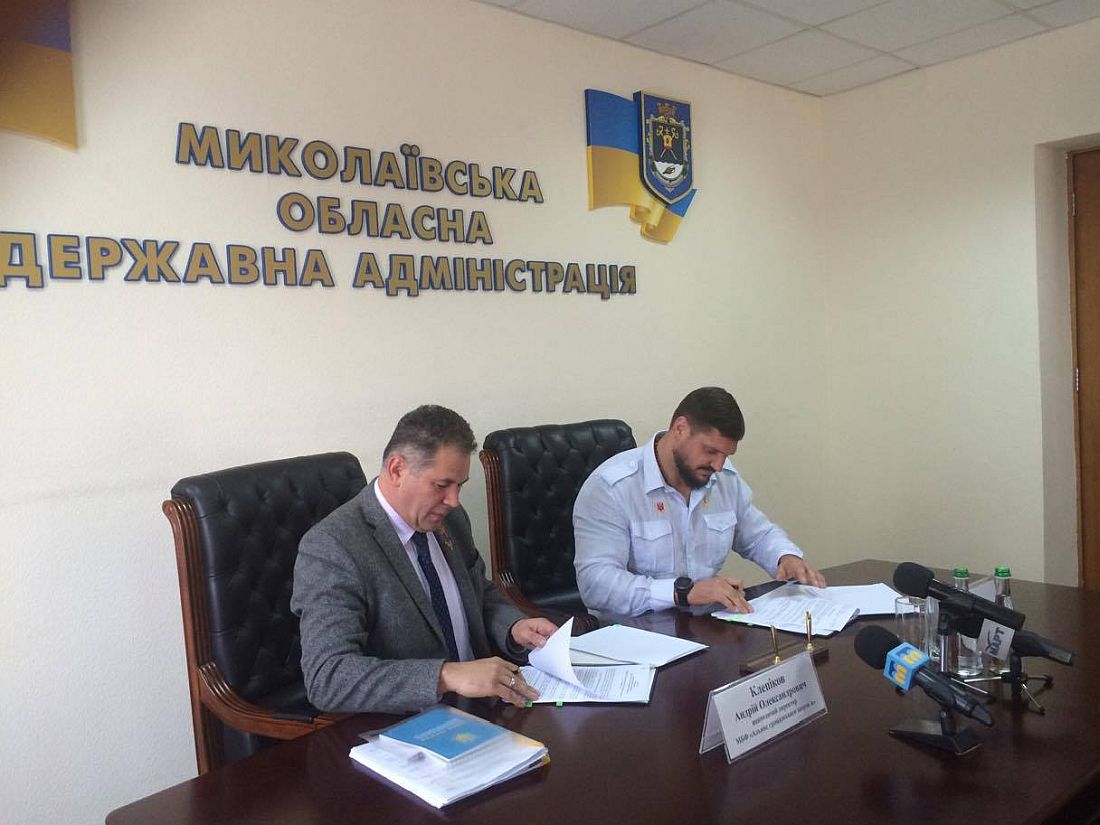
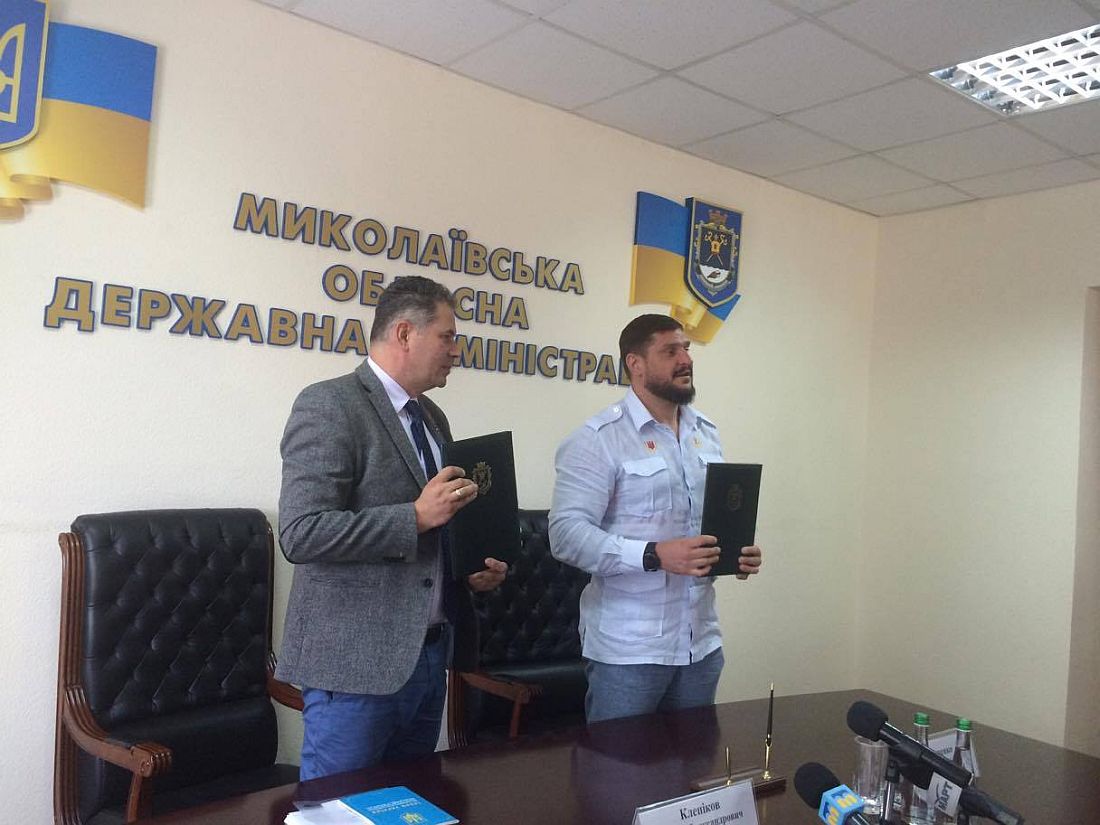
Alliance was one of the first to draw attention to the issue of hepatitis C in Ukraine, initiating voluntary testing back in 2009 and launching “We Demand Treatment!” advocacy campaign in 2012. For the first time in Ukraine, Alliance implements a program of treatment with innovative new-generation drugs at the lowest price per course in the world, in 25 health care institutions. Each of almost 1,900 saved lives is the source of pride for the Alliance team as well as all involved doctors, medical and social workers, but we do not stop focusing on comprehensive response to the hepatitis epidemic in Ukraine. Taking into account successful results of the treatment project and persistent efforts in cooperation with international partner organizations, the Ministry of Health revised Hepatitis C treatment guidelines, including to those guidelines as well as to the list of medical drugs to be procured within national and regional budgets direct-acting antivirals, and procures such drugs with national budget funds for the second year already.
“In the first six months of 2017, 51,688 hepatitis C tests were provided within the Alliance programs, with 8,925 positive results, – told Andriy Klepikov, Executive Director of the Alliance for Public Health at the press briefing. – At the same time, hepatitis is a curable disease – over 94% of patients, who received treatment with modern antivirals delivered by Alliance to health care institutions of Ukraine – Sofosbuvir or Harvoni – recovered and got free from hepatitis! We not only cooperate with the Public Health Center and the Ministry of Health of Ukraine within the current program, but we also work together for Ukraine to approve the Hepatitis Elimination Strategy”.
Alliance for Public Health and its partners call Ukrainians to learn more about hepatitis C, get tested and practice safe behaviors! We also address the MInistry of Health and public officials responsible for the national and local budgets, calling them to stop the epidemic of hepatitis C at the national level! On the streets of Ukrainian cities our new hero, Petrovych, urges people who pass by not to postpone the question of hepatitis, but to get information, test and get timely treatment.
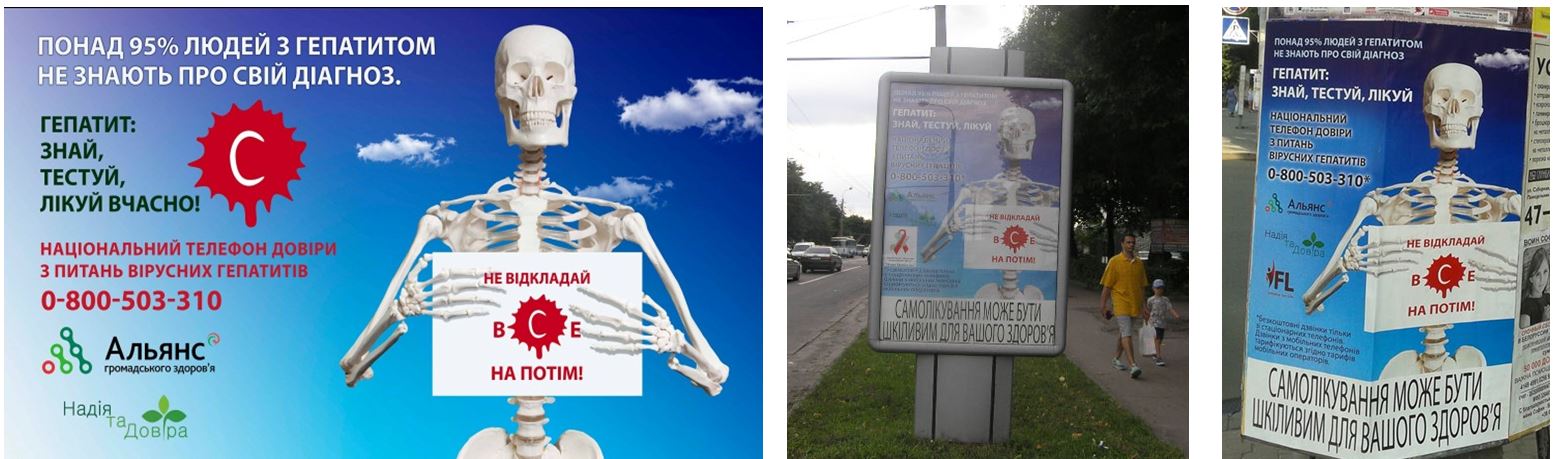
Over 150 million people in the world are infected with hepatitis C, with over 2 million of such people living in Ukraine. According to the WHO estimates, over 1.3 million people in the world died of hepatitis in 2015, among them over 400 thousand – of liver diseases caused by hepatitis C. Most people are not aware of their disease as in 80% of cases the acute phase of the disease is asymptomatic. One of the priorities in the activities of the Alliance for Public Health is response to the spread of viral hepatitis C in Ukraine and provision of hepatitis C diagnostics and treatment for most affected populations. In 2012, Alliance initiated an all-Ukrainian advocacy campaign “We Demand Treatment!” with the main goal of scaling up access to hepatitis C diagnostics and treatment in Ukraine.
We would like to thank Norton Ukraine pharmaceutical company and Pharmasco LLC for the tests provided to conduct testing among general population in Kyiv, Kharkiv, and Dnipro.
http://www.aph.org.ua/hepc/

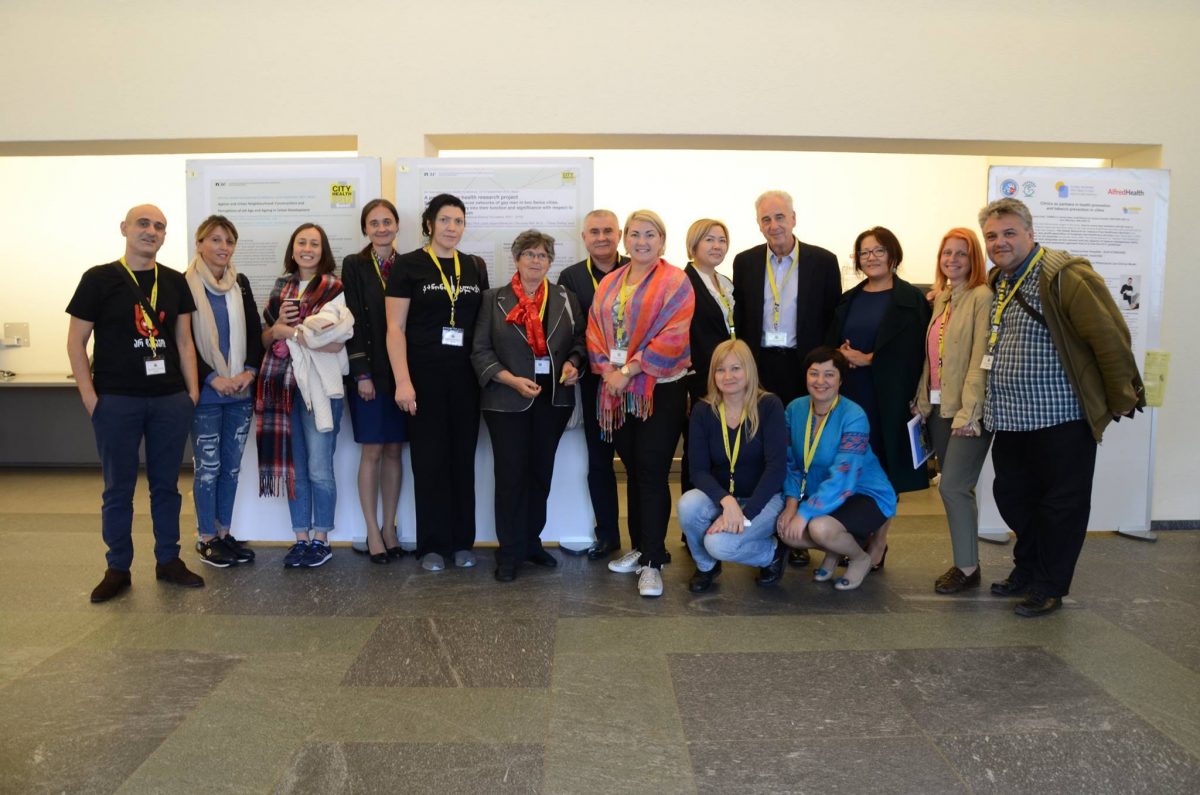
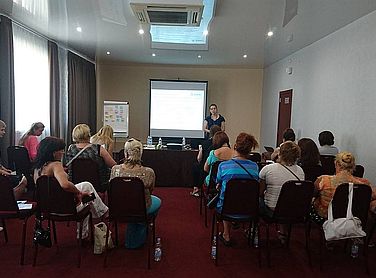
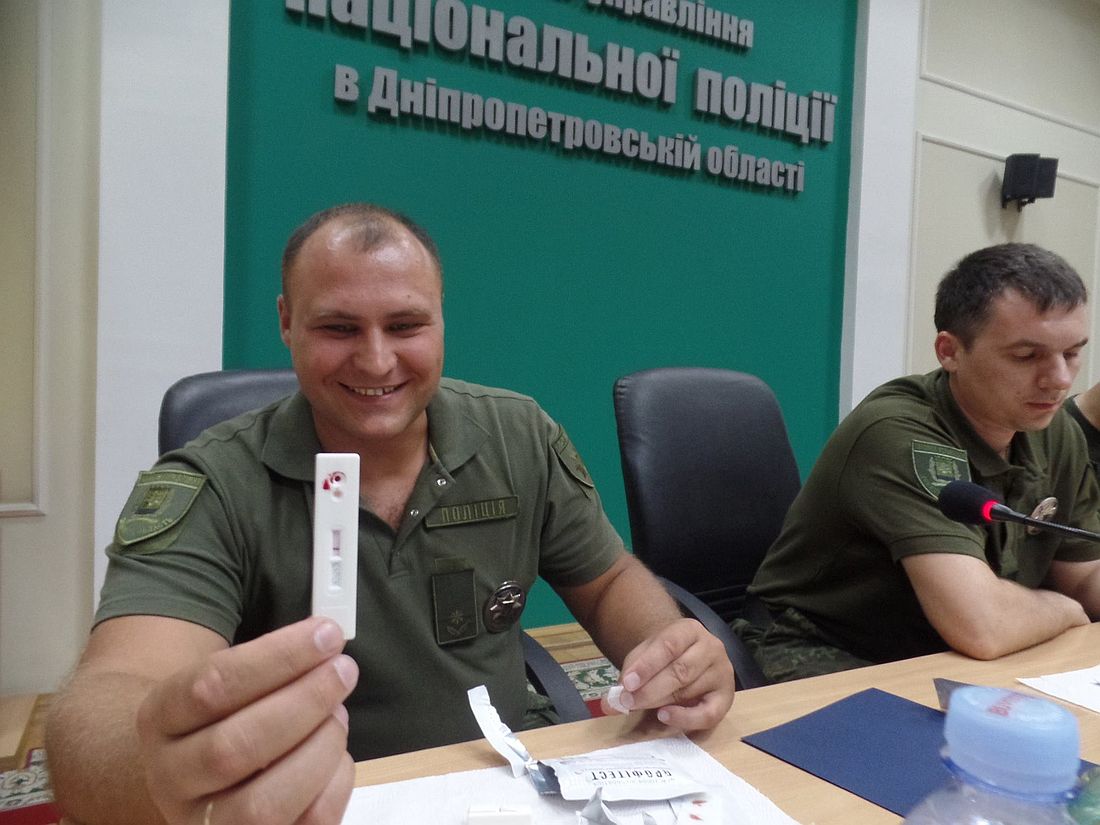
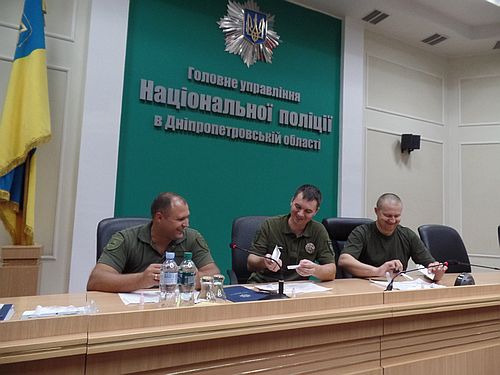 On August 10, 2017 in Dnipro the training for managers of Temporary Detention Centers from Dnipropetrovsk, Zaporizhzhya, Donetsk, Luhansk and Kharkiv regions was organized by Human Rights Office of the National Police of Ukraine in cooperation with Alliance for Public Health. The questions of cooperation with the police within the framework of harm reduction projects, prevention and treatment of socially dangerous diseases were included into the training program. These issues were highlighted by Pavlo Skala, Associate Director: Policy and Partnership of, who also represents The Law Enforcement And HIV Network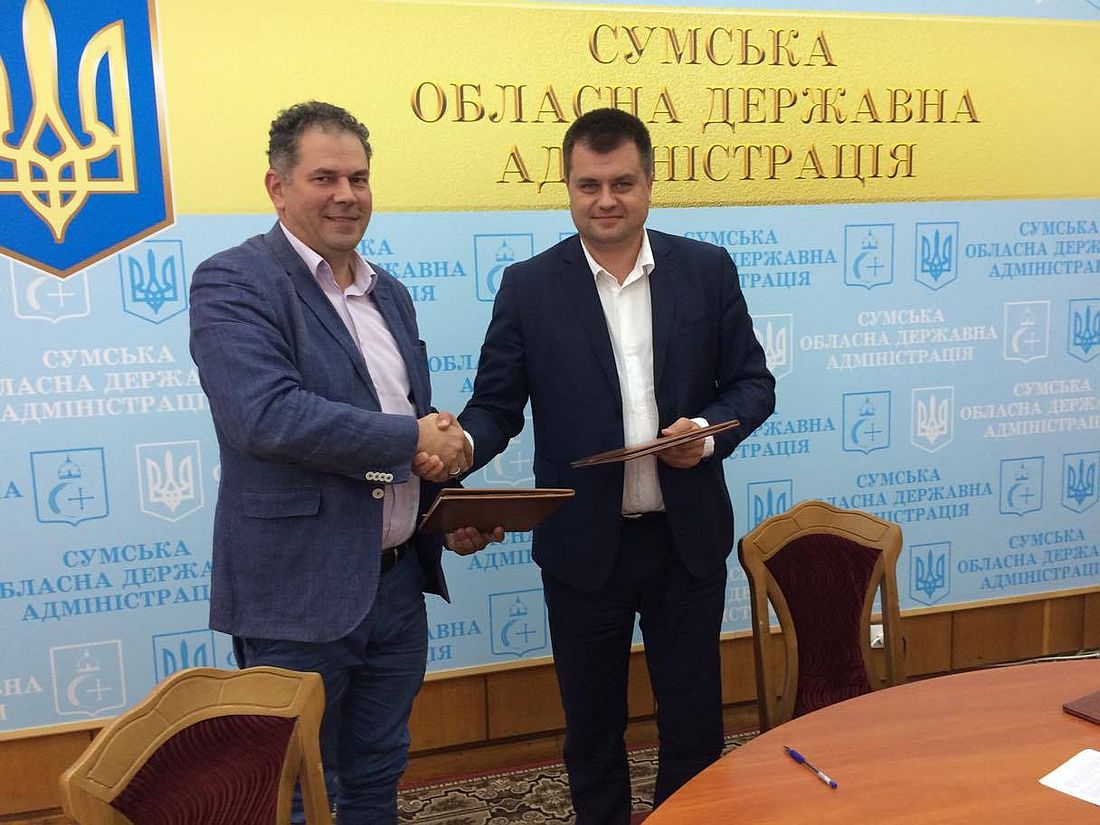
 In the region, a program of medical and social support of patients with multidrug-resistant tuberculosis is implemented, with a cure rate higher than the average rate in Ukraine (87% success rate as compared to the average treatment success rate in Ukraine of 47.7%). Within the project to expand access to efficient hepatitis C treatment, 81 members of the key populations received treatment with direct-acting antivirals. Treatment success rate of such new antivirals is over 90%, which is almost twice as high as of the old regimens.