March 07, 2018

Alliance Provided Hepatitis C Treatment to 1,907 Patients with 95% Treatment Success Rate and 98.3%. Retention!

Recently, the last patient completed Hepatitis C treatment with modern and effective direct-acting antivirals (DAAs) within the unique comprehensive three-year project implemented by the Alliance for Public Health “Scaling up Accessible and Effective HCV Treatment Through a CommunityBased Treatment Model for Most Vulnerable Populations in ResourceConstrained Ukraine” (hereinafter – the Project).

Since April 2015, access to 1,907 courses of treatment within the Project was provided to the patients representing the key populations. 1,531 patients (80%) were people who inject drugs (PWID), 152 (8%) were partners of PWID; 69 (3.6%) – men who have sex with men; 82 (4.3%) – sex workers; 73 (3.8%) belonged to other groups, including 49 military servicemen involved in the armed conflict in the east of Ukraine.

1,400 patients (73.4%) were co-infected with HIV. The treatment success rate at the follow-up 12 weeks after the treatment completion was 95.1%. Out of all patients who received access to direct-acting antivirals, only 33 persons (1.7%) failed to complete their treatment due to various reasons.

Such a high success rate was reached by Alliance thanks to the design and further implementation of a unique model of community-based treatment and social support of patients from the key populations.
How did the model operate?

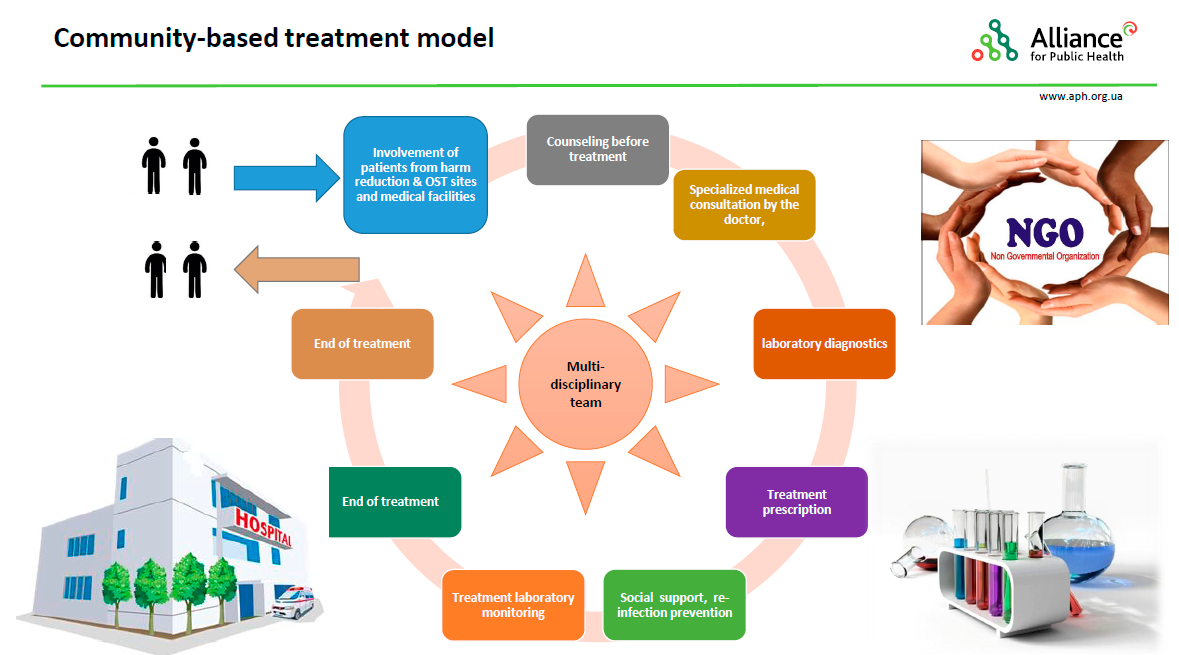
The first important step of the Project implementation was sharing accurate information about the Project conditions, eligibility criteria, advantages and opportunities with the key populations. This process was, first of all, facilitated by the social workers of local NGOs and community representatives who provided detailed information to potential participants of the Project and referred them to health facilities for consultations with doctors and further diagnostics. Each of the 25 health facilities involved into the Project organized multidisciplinary teams, each consisting of a doctor, a nurse and a social worker from one of the 19 local NGOs.

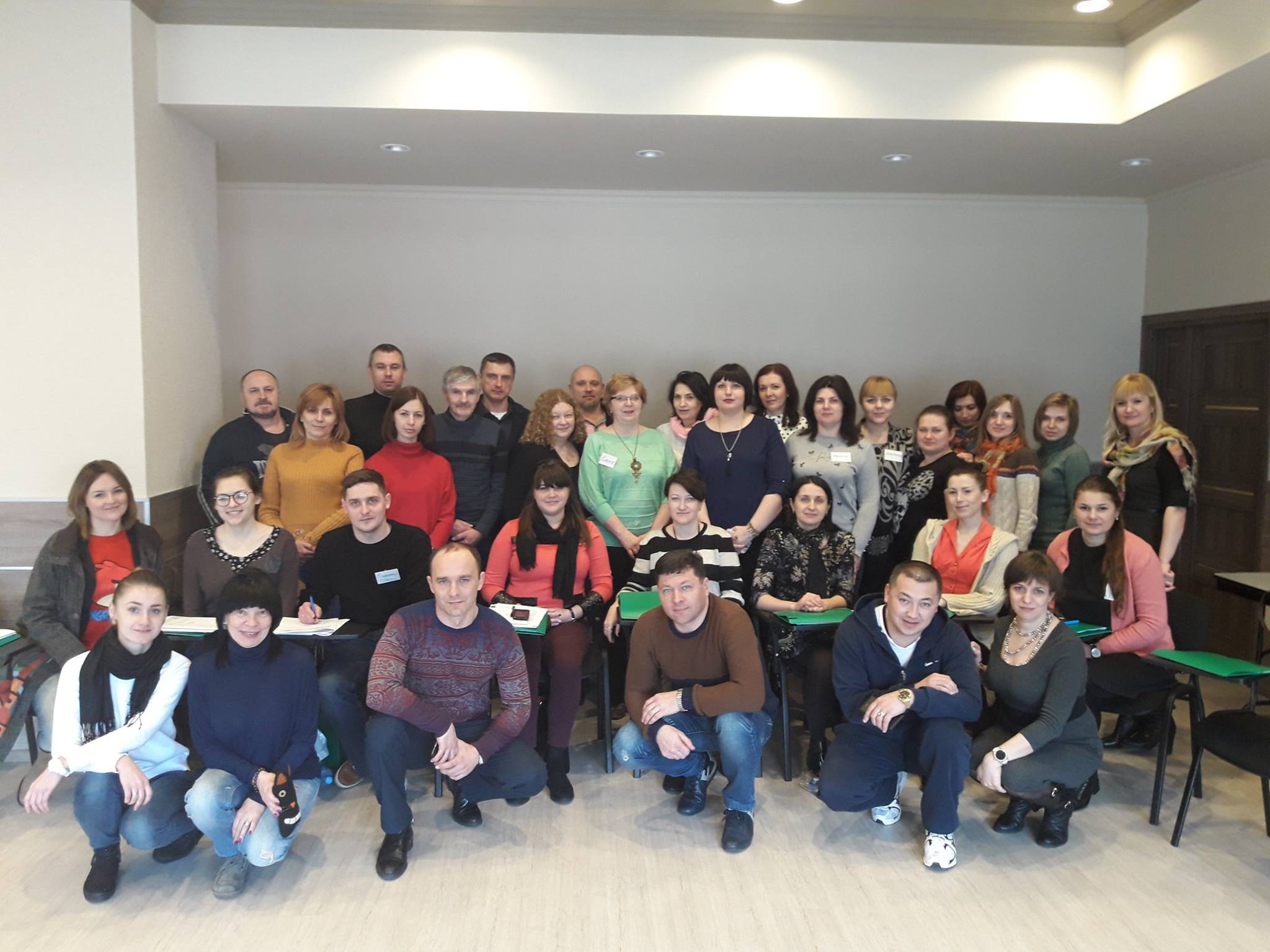
Second, Alliance offered a number of workshops for doctors and social workers on Hepatitis C treatment with direct-acting antivirals. The workshops also covered peculiarities of the patients’ psychosocial support in the course of treatment.

Coordinated decisions on the compliance with all eligibility criteria and final enrolment in the treatment program were taken by the multidisciplinary teams.

The criteria for patient enrolment and prioritization within the Project were as follows:

  1. PWID, OST patients, SW, MSM, military servicemen, human rights advocates for key populations;
  2. Fibrosis ≥ F2 (priority – F3, F4), including compensated cirrhosis or extrahepatic manifestations of the disease which are not contraindications for the Hepatitis C antiviral therapy.
Further treatment of the patients was provided under the careful monitoring and supervision of the multidisciplinary team. Each member of the team worked with the patient according to his/her professional duties and functions.

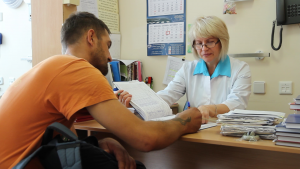
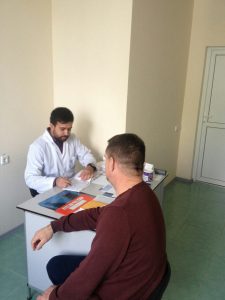
The infectious disease doctor ensured the selection of patients based on the clinical indications, prescribed the required laboratory and functional diagnostic procedures depending on the individual clinical situation and terms of the Project, defined the treatment regimen, ensured proper maintenance of the medical records, assessed the patient’s condition during the therapy, corrected any possible side effects or treatment complications, took measures to avoid unwanted interactions between the DAAs and other medications, controlled the intended use of medical drugs, etc.

The nurse ensured timely and proper dispensing of medical drugs to the patients, filled in medical records, referred the patient for laboratory diagnostics in line with the doctor’s prescriptions, and provided consultations to the patients on the possible side effects and treatment complications together with the social worker.
The social worker was usually the first to establish contact with the potential Project participant. He/she provided explanations and consultations to the members of key populations on the possibility of taking part in the Project, ensured referral of the clients with positive Hepatitis C rapid test results to health facilities for further diagnostics of Hepatitis C. Within the multidisciplinary team, the social worker took part in the selection process, provided psychosocial support to the patient in the course of treatment, offered consultative, psychological and practical help to the patient, formed the patient’s adherence to treatment, referred the patient to the doctor in case of any complications, monitored the dates of further visits and receipt of the medical drugs, maintained contact with the patient’s family members.

Alliance staff members heard a lot of grateful words addressed to the social workers from the Project participants.  The doctors involved also appreciated high efficiency of the model implemented. The effective and well-coordinated efforts of the multidisciplinary teams allowed achieving an unprecedented level of adherence among the patients from among the key populations participating in the Project – 98.3%.

Alliance would like to take this opportunity to express its deepest respect to the doctors who were involved in the Project and a sincere gratitude to the staff of partner NGOs for their committed work with the patients!

The community-based Hepatitis C treatment model implemented by the Alliance is a crucial step to improve public health. This approach may be used as an evidence to strengthen the healthcare system and to inform the national Hepatitis C elimination policy.

More
Share
March 05, 2018

Alliance to launch modern Hepatitis C treatment in penal settings

Alliance for Public Health became the first in Ukraine to offer access to Hepatitis C treatment to people living with HIV in the health facilities of the State Criminal Executive Service of Ukraine

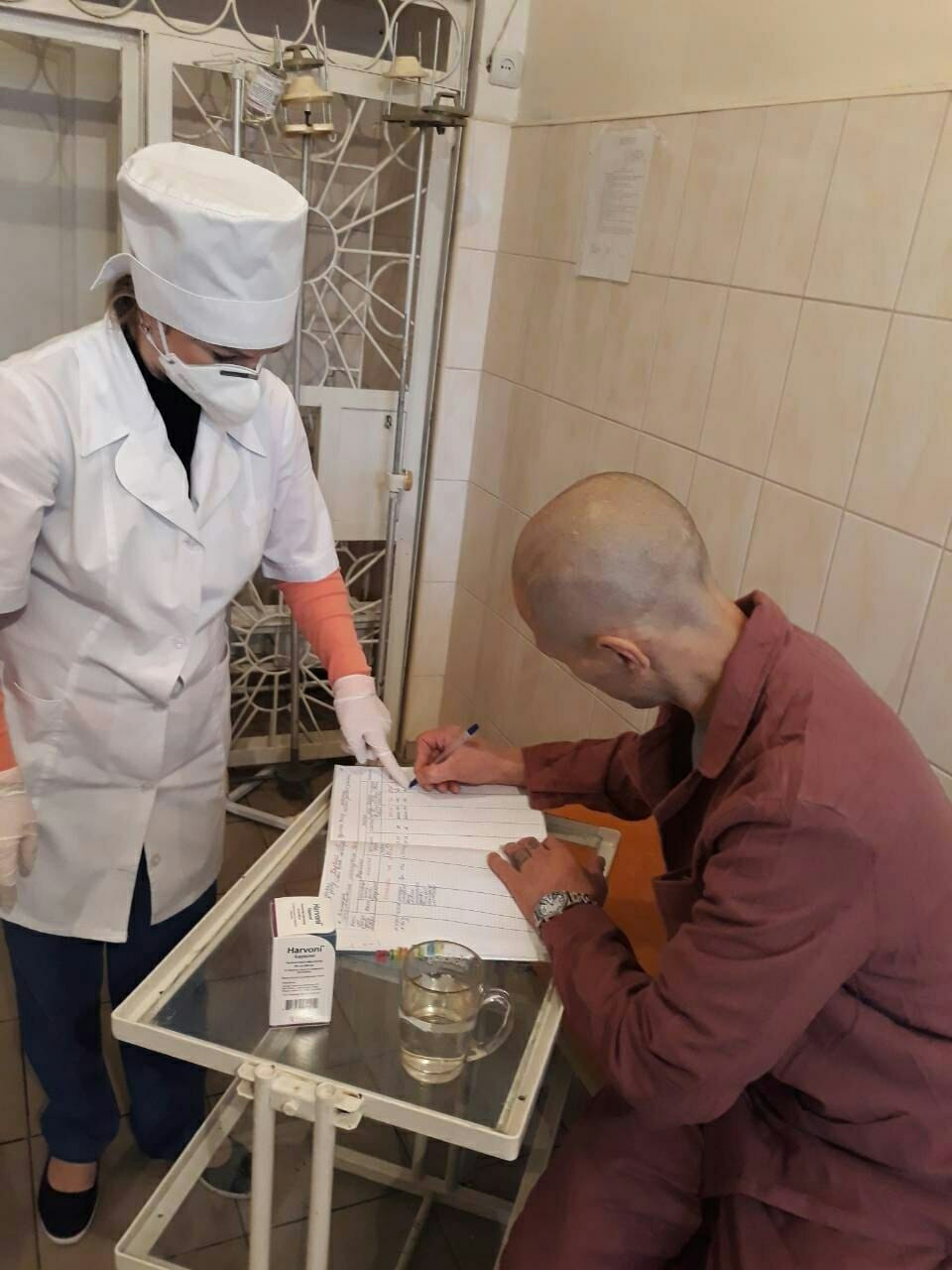
Within the Global Fund-supported program, Alliance provides convicted and detained persons who have HIV and Hepatitis C co-infection with modern and effective Hepatitis C treatment.

The diagnostic interventions aimed at detection of Hepatitis C include rapid tests with further confirmation of the diagnosis using PCR assays.

The State Criminal Executive Service of Ukraine received 1,000 rapid tests for primary Hepatitis C diagnostics from Alliance. Based on the testing results, 70% of the persons living with HIV tested for Hepatitis C had positive results.

In addition, 140 convicts who got positive rapid test results were able to receive further diagnostics, i.e. a number of the required laboratory assays in a private medical laboratory and confirmed their Hepatitis C diagnoses.

As a result, 50 HIV+ patients with confirmed Hepatitis C diagnoses started treatment with highly effective Harvoni medications in the health facilities of the State Criminal Executive Service of Ukraine.

More
Share
March 01, 2018

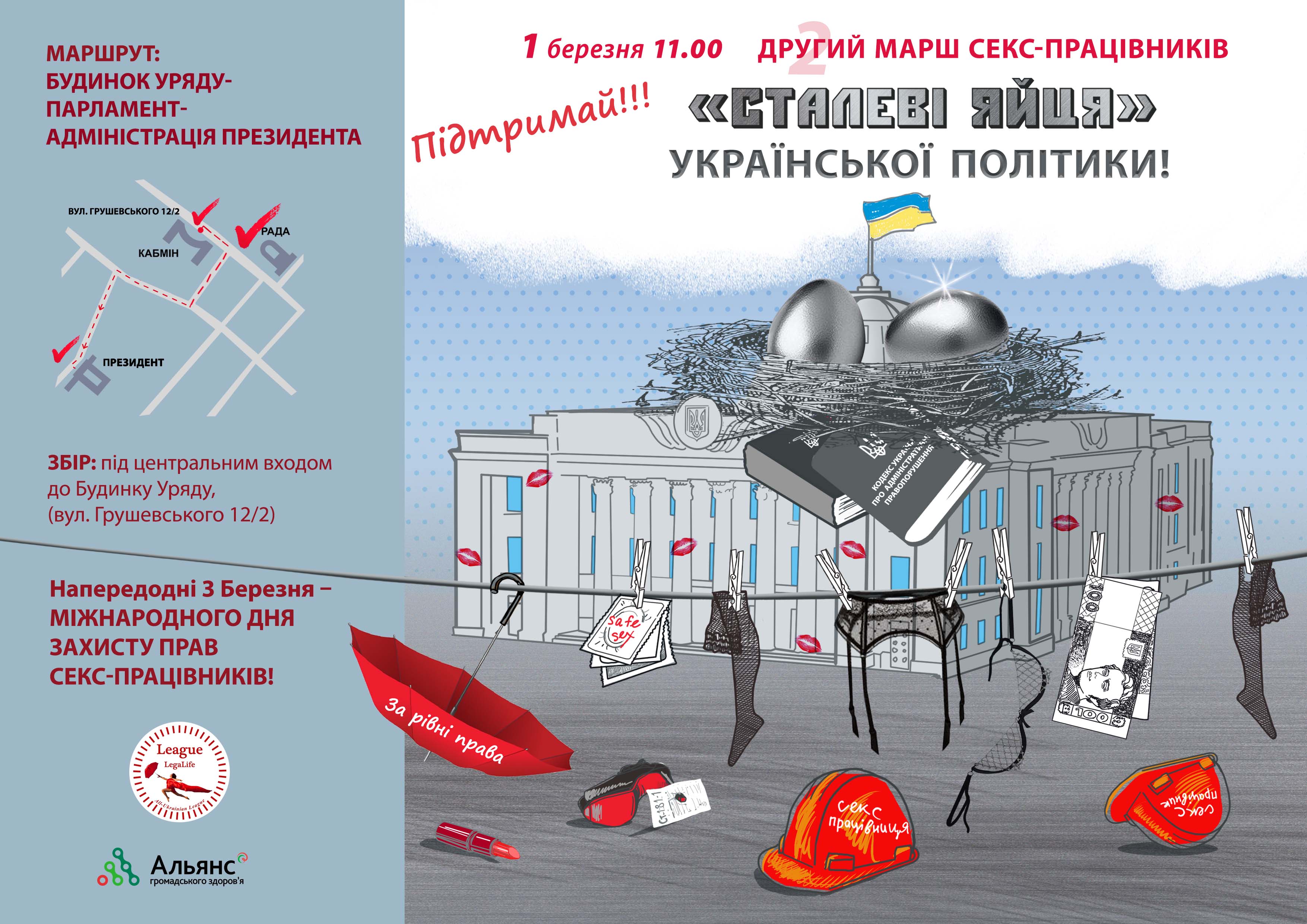
The Second March of Sex Workers: “Hard Settings”/“Steel Eggs” of the Ukrainian Politics

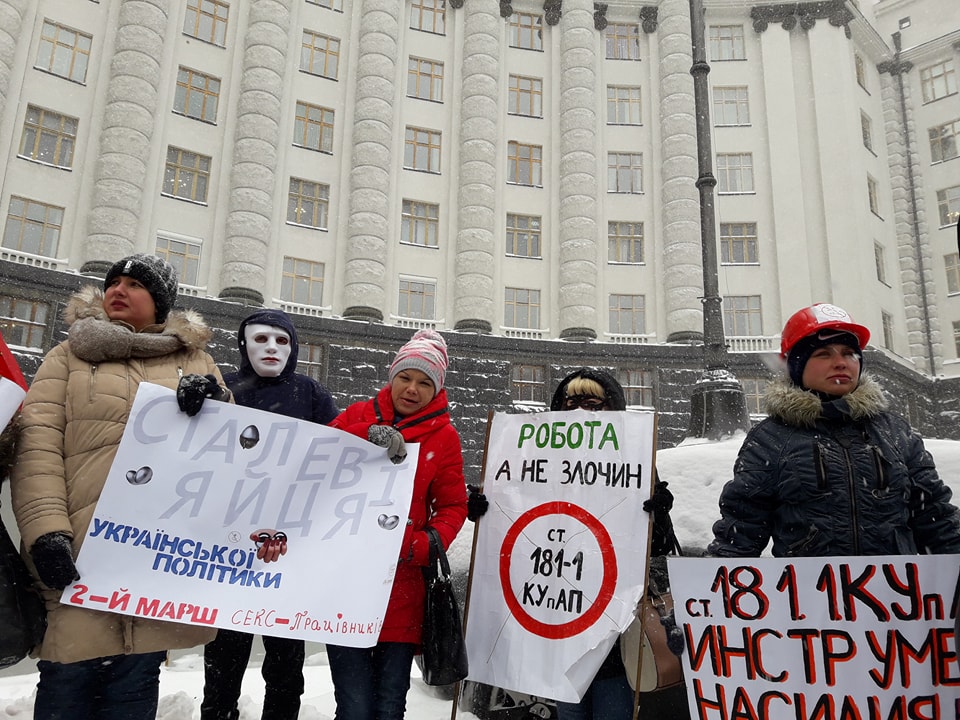
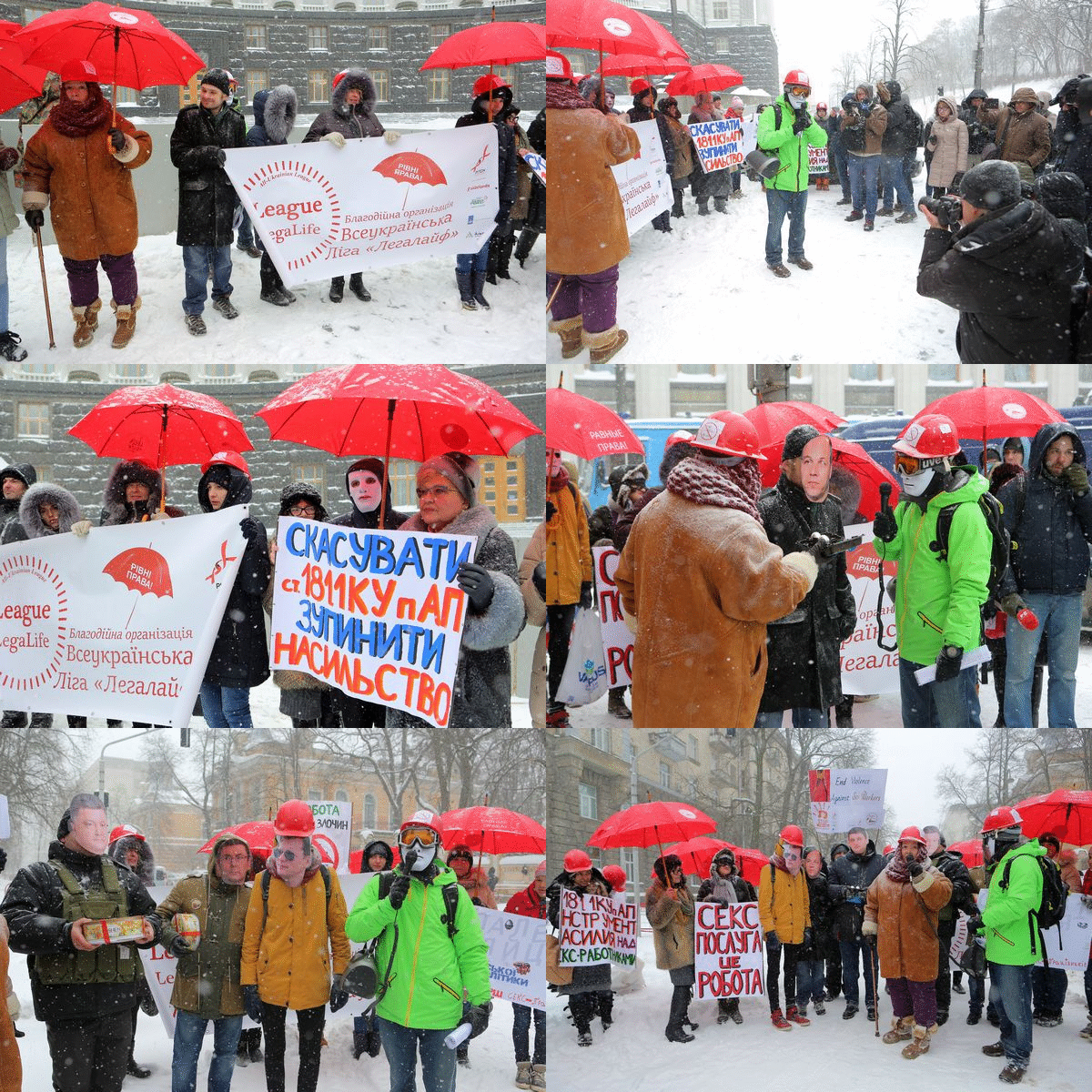
The 1st of March was marked by the second annual March of Sex Workers going along the ‘government district’ in the capital city of Ukraine – from the Cabinet of Ministers along the Verkhovna Rada building to the President’s Administration. The march brought together several dozens of sex workers and their supporters: civil society activists, human rights advocates and mass media.

Traditionally, many participants were wearing theater masks, with some of them having red safety helmets on their heads and holding handmade banners and symbolic red lanterns.

This year, participants of the event dedicated to the International Sex Workers’ Rights Day, which is marked on the 3rd of March, as always focused on the issue of sex workers’ rights violations and called the leaders of the central executive and legislative bodies to cancel the administrative responsibility for prostitution (article 181-1 of the Code of Ukraine on Administrative Offences). This article, stipulating the fine of up to ten tax-free minimum income amounts for individual prostitution, continues to be used as a repressive instrument of corruption, extortion, intimidation and violence against sex workers.

To draw the attention of decision-makers to the issue of artificial criminalization, organizers of the event presented “twins” wearing the masks of Petro Poroshenko, Volodymyr Groysman, Andriy Parubiy and Yuri Lutsenko to symbolize the desired willingness of the authorities to cancel the outdated repressive provision, which currently affects about 80 thousand of sex workers in Ukraine.

For the exceptional courage and commitment in taking such brave legislative decisions, participants of the march delivered to all the above-mentioned imaginary decision-makers symbolic “distinctions” – “steel eggs”!

Traditional organizers of the event were the All-Ukrainian League LegaLife and the Alliance for Public Health.


Media coverage

More
Share
February 20, 2018

Leading EECA organizations discussed the content of the Global Fund Proposal

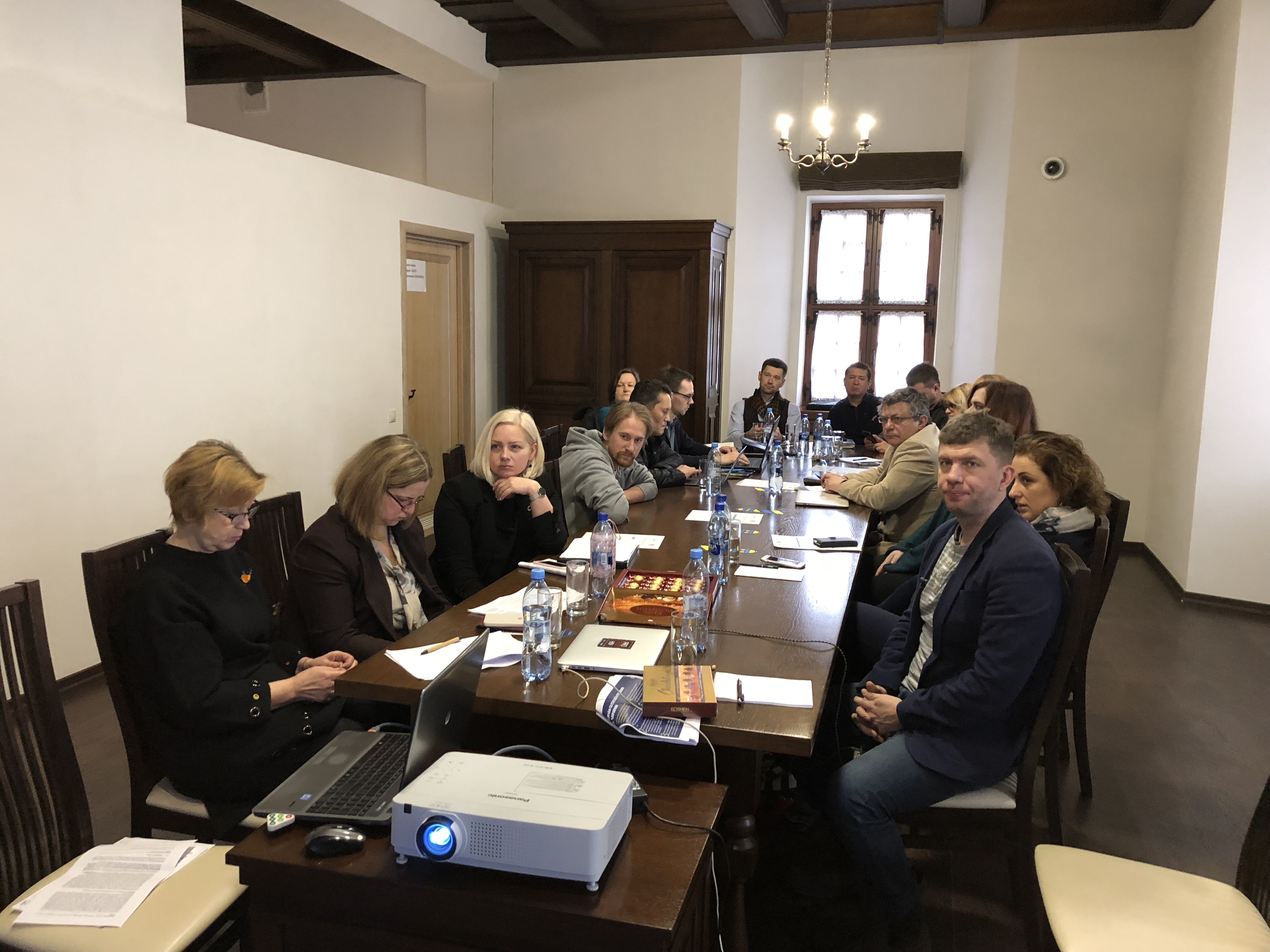
On February 19-20, 2018 in Minsk, Belarus, a regional dialogue meeting was held in order to discuss the priorities of the program in response to the Regional Proposal by Global Fund on Sustainability of services for key populations in EECA region.

The meeting was attended by representatives of the country’s  CCMs of the region, representatives of Key Populations groups and civil society organizations, government agencies, regional networks of Key Populations groups, international technical partners.

Significant attention was paid to the priorities that will form the basis of the multi-country proposal to Global Fund; conversely plans of other consortia from the post-Soviet region and south-eastern Europe were actively discussed.

“The priority of this program is the result – the transition to national financing and systemic expansion of access to services. We know how to do it, – says Dmitry Sherembey from the All-Ukrainian Network of PLWH. – After we implemented the transition of key programs to the Ukrainian government, we started to work successfully in a number of countries in the EECA region to support such processes”.

“We are interested in the directions of the proposed program, – says Irina Novik from the Belarusian Republican Scientific and Practical Center for Medical Technologies, Informatization, Administration and Management of Health. – The issues of transition and sustainability are now the most significant. Belarus has something to share, and we look forward to an effective exchange of experience with colleagues from other countries”.

Nurali Amanzholov from the Central Asian Association of PLWH considers the partnership to be the strongest in the region for the implementation of tasks to optimize ART schemes and prices that can have a significant impact on the coverage of programs in the EECA region and affect the HIV cascade.

“It is very important for the transgender community in the region of Eastern Europe and Central Asia to be integrated into the regional dialogue. For the first time in our region, the importance of specific and sensitive services for Transgender people is recognized. I am sure that this dialogue will be a new starting point for the development of programs for our community, – noted Angelica Volkonskaya from the initiative group HelpTG”.

Andriy Klepikov from the Alliance for Public Health noted a wide range of members who participated in the discussion of the plans and expressed his gratitude for valuable advice on improving the program. The concept of the program will be presented in country dialogues and is open for comments until early March 2018.

The meeting was attended by Alliance for Public Health, All-Ukrainian Network of PLWH 100% of Life, Central Asian Association of PLWH, Eurasian Key Populations Health Network, Eurasian Harm Reduction Association, the Belarus Initiative Group HelpTG, Georgian Harm Reduction Network, ITPC.ru, Eurasian Coalition on Male Health, UNAIDS  Belarus, The State Institution Republican Scientific and Practical Center for Medical Technologies, Informatization, Administration and Management of Health, Belarus, Secretariat of the CCM of Uzbekistan, “Initiativa Pozitiva”, Moldova, Kyrgyz Association of Harm Reduction Programs “Partner Network”, and I+Solutions.

More
Share
February 12, 2018

Study visit to Amsterdam

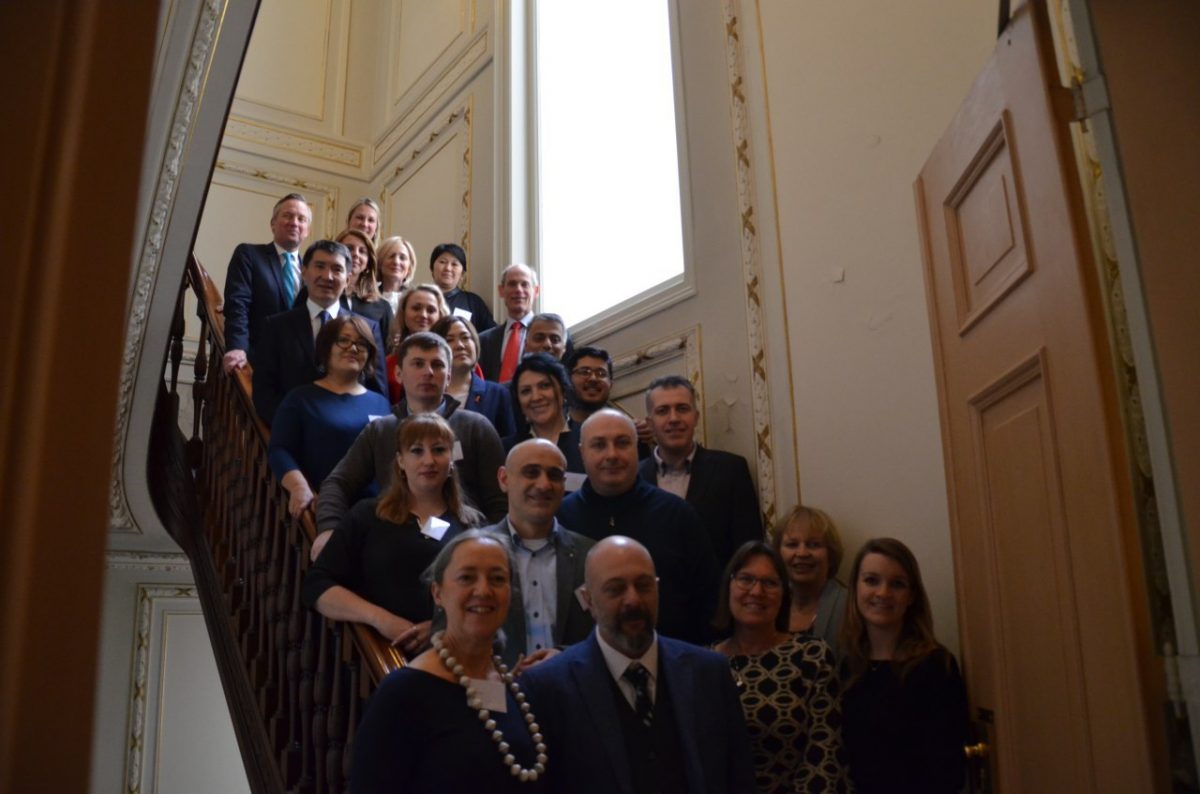
On February 6th-9th, delegations from Almaty (Kazakhstan), Batumi, Tbilisi (Georgia) and Kyiv (Ukraine) conducted a study and knowledge-sharing visit to Amsterdam (The Netherlands) to learn about the experience and best practices in building successful and sustainable city models of responses to HIV in key populations. The visit was organized by AFEW International and Alliance for Public Health.

The group of 16 people included Head of Republican AIDS Center from Kazakhstan, Deputy Chief Doctor of AIDS City Center of Almaty, Deputy Head of State Health Department of City of Almaty, Head of the Department of Health and Social Services of Tbilisi City Hall, Deputy Director General of NCDCPH, Minister of Health and Social Care, the Government of Autonomous Republic of Adjara, representatives of “Fast-Track TB/HIV responses for key populations in EECA cities” project implementing NGOs, and representatives of the key populations.

During the study tour different partners of AFEW International shared models, experiences and activities that demonstrate successes and challenges in increasing access to health for key populations. The participants had the opportunity to talk to civil servants and different health actors within the Netherlands and discussed initiatives to reach out to key populations to increase their quality of life. The participants met with representatives of municipality, police and NGOs working with these key populations and discussed different forms of collaboration. On February 6th the High official meeting was organized with the participation of Eric van der Burg, the Deputy Mayor of Amsterdam and Lambert Grijns, the SRHR Ambassador of Ministry of Foreign Affairs.

“Fast-Track TB/HIV responses for key populations in EECA cities” project implementing NGOs will use the best practices of Amsterdam and the Netherlands responses in their HIV/TB programs.

More
Share
January 31, 2018

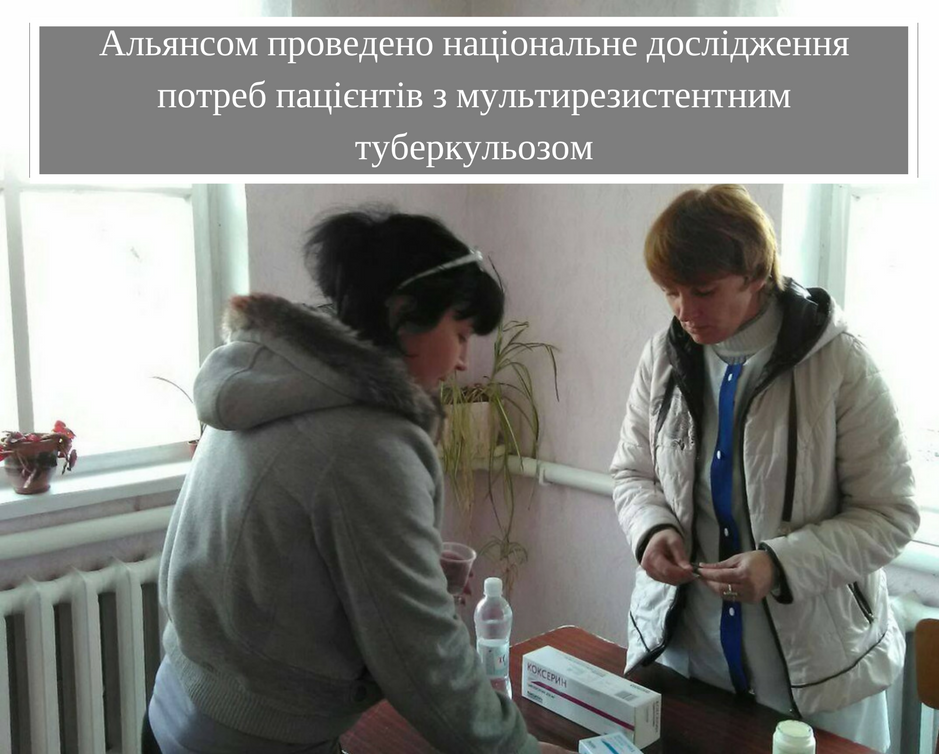
Results of the national research on the needs of the patients with MDR-TB conducted by Alliance

An important aspect of patient-centered TB care is the focus on the individual needs of each patient, convenience and safety for him. Such care should take into account the personal and social conditions of human life, and not only the requirements of medical treatment. People-centered care considers the patient to be the central figure in the continuum of care.

In order to define the full range of MDR-TB patients’ needs Alliance for Public Health conducted the operational research. The research was carried out among the participants of the project “Strengthening the provision of quality outpatient care for MR-TB patients by providing medical, social, psychological services and forming treatment adherence”, implemented by the Global Fund to Fight AIDS, Tuberculosis and Malaria in 2015-2017, in partnership with the Red Cross Society of Ukraine. Within the above project was proved that through a combination of medical, social and psychological support the cure rate was doubled up: over 80% of MDR-TB patients recovered (with an average cure rate in Ukraine about 40%).

A total of 427 respondents from among more than 7000 project patients from the most regions of Ukraine were selected to participate in the study.

67.2% of respondents were men; the average age of patients was 42 years. At the same time among women there is a greater patients’ proportion of in the age group of 18-29 years, and among men – 50-59. 14.6% of respondents have higher education, 11.3% – with incomplete secondary education. The vast majority of respondents (60.8%) are not married. The financial situation of the patients’ families is characterized mainly as an average for 50.9% of the respondents.

The vast majority of research participants (80.8%) emphasized that after diagnosis, they were informed by the phthisiologist about the possibility and conditions of outpatient treatment from the first day. 5,6 % of respondents promptly started the outpatient treatment, while in the oblast centers proportion of such patients – 11.3% of the total. Almost all participants of the program arrange the place for receiving drugs (89.2% received TB drugs at home, 11, 9% – in the clinic, in another place – 13, 1 %.)

Certainly, the disease affects patient’s contacts with the social environment. Thus, 11, 3% of respondents felt that they were turned away and avoided after they became aware of the diagnosis. However, 25, 0% of patients felt truly supported.

More than the third part of respondents said that they felt the need to communicate with other patients for mutual support. More than 12% of respondents, including mostly women, need to communicate with a psychologist. The most frequent of illness-related worries is disability (65.8%). Among others there are fears of infecting others, as well as the worries of not recovering from the disease.

Among the general patients’ wishes for the improvement of outpatient TB care the following were highlighted: availability of free medicines and vitamins; better quality and volume of product sets; material support to patients; the opportunity to undergo a comprehensive body check-up; solving legal issues; compensation of transport expenses; reduction of side effects of medicines and medication load during treatment; provision of sanitary and physiotherapy treatment.

We hope that further consideration of the research results and recommendations will be concurrently promote improvement of both the quality of MDR-TB treatment as well as lifestyle of thousands of people who are faced with these problems!

You can find the full report on the research results by the following link.

More
Share
January 30, 2018

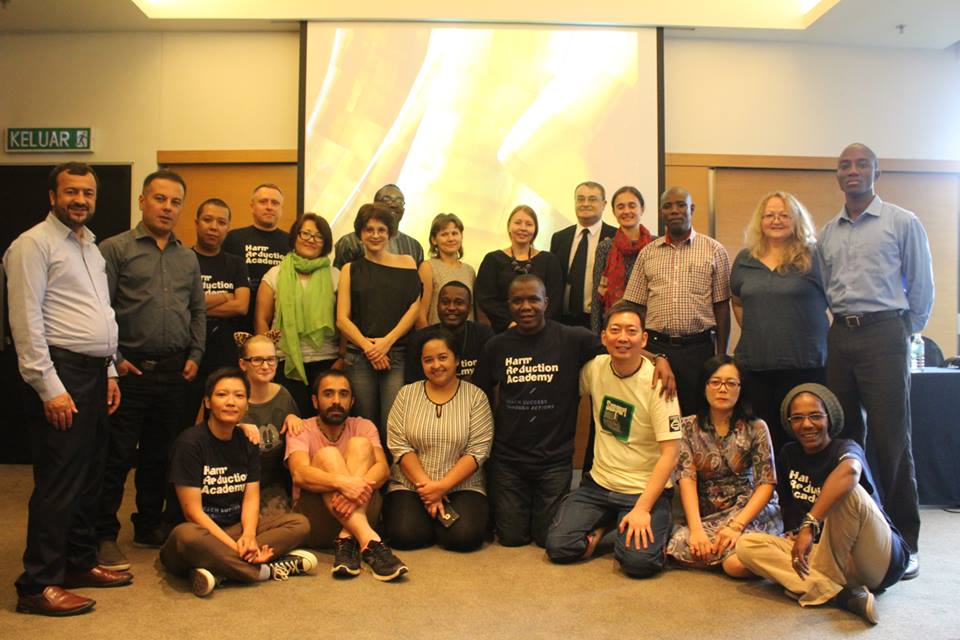
Harm Reduction Academy Cycle 4 going to Malaysia

The third module of the 4th cycle of Harm Reduction Academy that took place from 22 till 26 January, 2018 brought participants from 13 countries to Malaysia. This is the first time Alliance for Public Health is organising the training as a part of the course in this country. It became possible with the support from Malaysian AIDS Council whose staff members showed their hospitality taking care of field visits and organising sessions which made participants familiar with harm reduction programme in Malaysia.

The module on policy, advocacy, community empowerment and mobilisation was interesting and thoughts provoking, building leadership skills and deepen knowledge.

The lead facilitators of the module Gloria Lai from IDPC created a special atmosphere where participants were happy to learn and share their experience of policy-making and advocacy activities. Tetiana Deshko from Alliance for Public Health in addition to theory gave examples of effective advocacy activities from Ukraine and across the globe and made sure participants think about further actions after completion of the course. Professor Adeeba Kamarulzaman (University of Malaysia) lead participants through global policy issues and examples from Malaysia. Dr Anita Sulaiman from Ministry of Health told about support of Malaysian government to harm reduction programmes.  Edo Nasution from PKNI and Yati Jonet from MAC shared experience of developing leadership and empowering people who use drugs.

Zaki Arzmi from MAC and Audrey Edwards who is a journalist helped participants to develop skills on working with media around harm reduction issues.

Participants received certificates from the Deputy Head of Mission of the Embassy of Ukraine in Malaysia Kyrylo Kalyta who greeted participants and wished them all the best in their further work developing harm reduction programmes in their countries. This confirmed the importance of Harm Reduction Academy for promotion of Ukraine as a leader in public health approaches.

More
Share
January 29, 2018

WHO leadership committed to the dialogue with civil society on TB

WHO leadership committed to the dialogue with civil society on TB

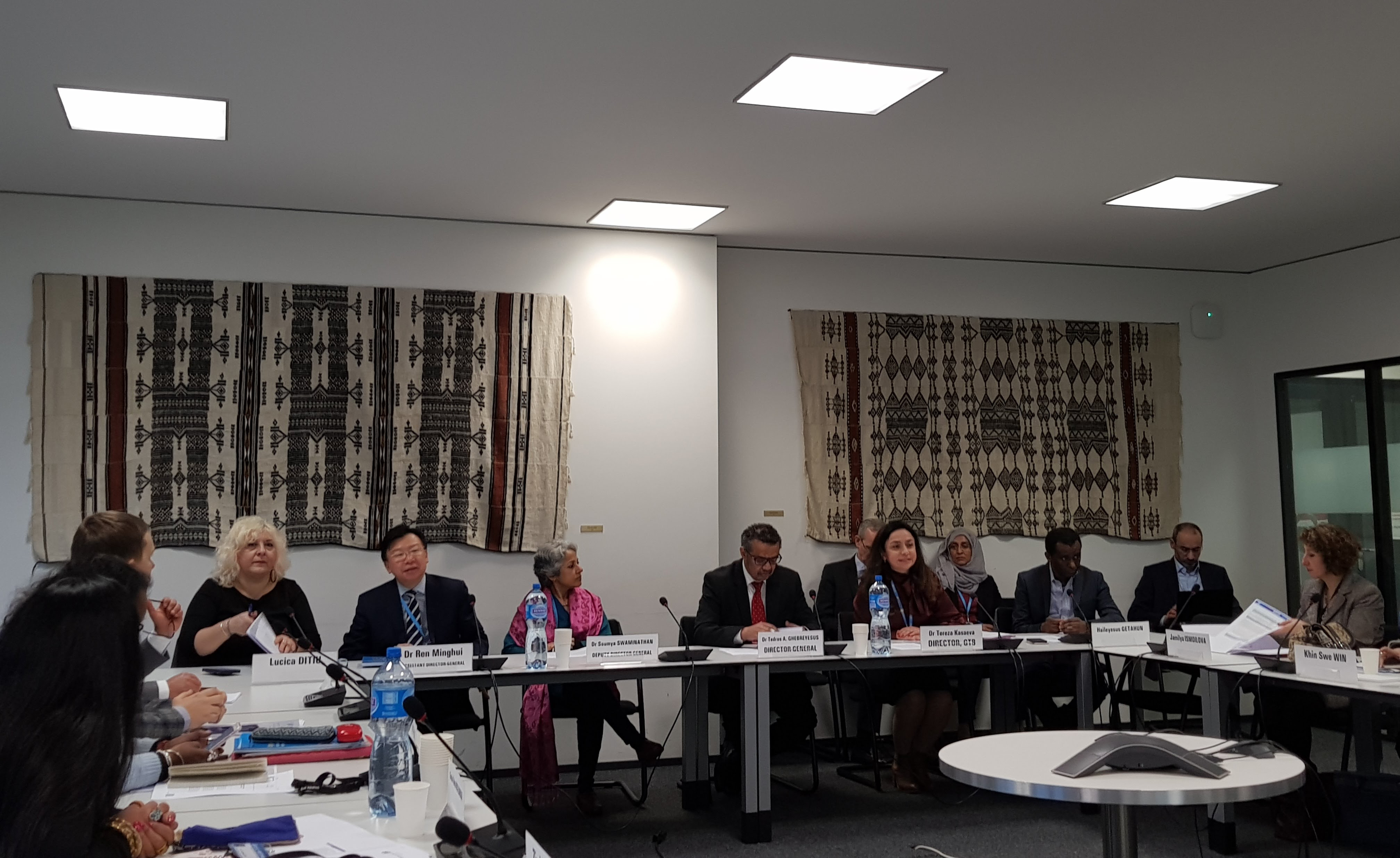
2018 year is the key time in fight against tuberculosis –UN High Level Meeting on TB with the participation of Heads of States is forthcoming. WHO Director-General Dr. Tedros Adhan Ghobreius and Dr. Teresa Kasayeva, Director of the WHO Global TB Program have shown high commitment and willingness to engage in dialogue with civil society.

Such a dialogue took place within the meeting in Geneva on January 15-16. The outcomes were  practical – based on the results of the work of a group of participants representing global and regional networks of activists and people with TB experience, formulated the key asks, namely:

  1. The DG provides his vision of civil society engagement in TB programmes with all WHO offices globally
  2. A letter from the DG to ensure:

1.1 WHO regional offices and country offices involve community representative in regional platforms, events such as NTP managers meeting, Regional Green Light Committee (rGLC), Regional Advisory Groups etc.

1.2 WHO National and Sub-national offices involve community representatives in TB programme reviews, missions, meetings etc.

1.3 Ensure that all Regional Offices and Country Offices create awareness and promote all WHO guidance and policies including WHO ethics guidance to implementing the End TB Strategy

1.4 Introduce various networks and coalitions working on TB such as GCTA, TBEC, ACT, TBAG UK, ACT AP, TB People etc.

  1. WHO should demonstrate its commitment towards the meaningful engagement of civil society and communities through adequate investment and resource mobilisation to build their capacity
  2. Provide sufficient resources for the core functions of the mechanism
  3. Provide new guidance and indicators to all NTPs on meaningful engagement of civil society
  4. Engage with relevant ministries and Head of States to emphasise civil society engagement, ensure country delegations have CS representatives in the country UN HLM TB delegation and provide resources for CS representation
  5. Strengthen civil society engagement in the development of WHO guidelines on TB
  6. Use the civil society engagement mechanism to consult on every TB policy, research, guideline, programme or process for input review on CRG
  7. WHO to work with the GF and partners to encourage countries transiting out of GF to develop sustainable financially-sound transition plans
  8. Ensure that the Essential Diagnostics List is completed as planned by April 2018
  9. Guarantee participation of the civil society mechanism in all TB related research discussions
  10. DG meets with the local civil society mechanisms during his visits


To learn more, please visit the link

http://mailchi.mp/e695e1b38c43/tbcivilsociety_meeting

More
Share
December 27, 2017

Transitioning to 2018 with impressive results!

THE YEAR 2017 WAS CRITICAL IN BUILDING SOLID GROUND FOR THE FUTURE UKRAINE –WE WOULD LIKE TO ACKNOWLEDGE STRONG LEADERSHIP OF THE MINISTER OF HEALTH ON HEALTH REFORM AND INCREASE IN DOMESTIC FUNDING FOR HIV AND TB. CIVIL SOCIETY ORGANIZATIONS INCLUDING ALLIANCE FOR PUBLIC HEALTH HAVE BEEN WORKING HARD TO ACHIEVE SIGNIFICANT RESULTS IN FIGHTING HIV, TUBERCULOSIS AND HEPATITIS.

HERE ARE OUR SEVEN HIGHLIGHTS OF THE OUTGOINGYEAR WHICH HAVE FORMED A SOLID GROUND FOR 2018:

1 With all its partners Alliance makes great contribution in achieving 90-90-90-90 in Ukraine. In 2017 HIV prevention services were provided to 218 829 people who inject drugs, 37 571 sex workers and 40 406 men who have sex with men. Alliance has made significant input in HIV case finding at the national level. 237 000 representatives of key affected populations were tested. Moreover, in 2016 and in the first half of 2017 85% of all officially registered cases among PWID were confirmed as a result of successful referral from harm reduction projects.

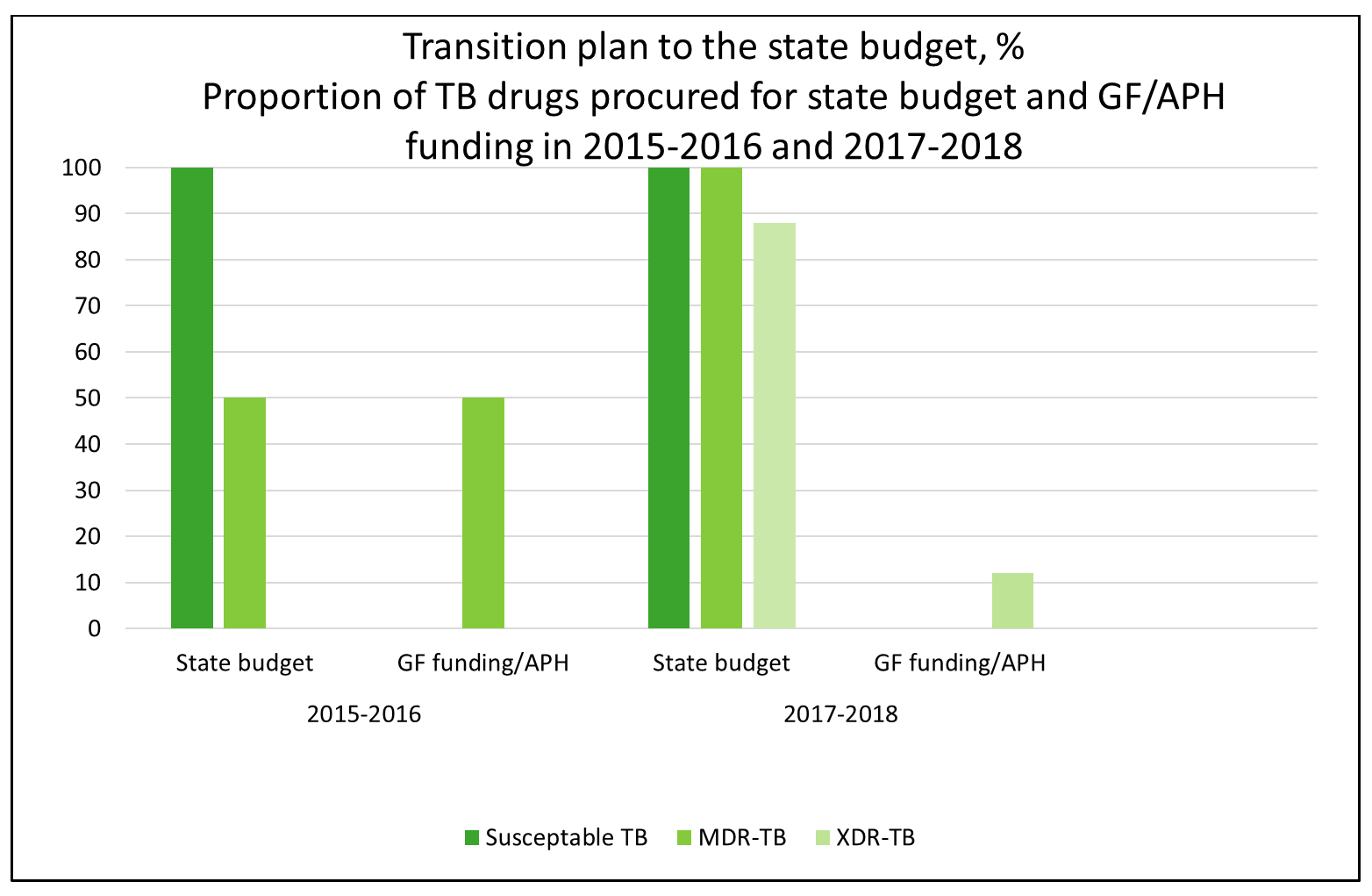
2 Scaling up Opioid Substitution Therapy to over 10 000 patients – making it the largest program in Eastern Europe and Central Asia. Being able to nurture this program over from a seed level of less than 100 patients to 10034 patients in 178 sites all over the country, Alliance started transitioning this program to the Ministry of Health. The transition has transferred the first 8% of the OST patients as of 1st of December 2017 with the clear road map and further scale up plans.

Transition of the Ukrainian OST program from Alliance to the Government

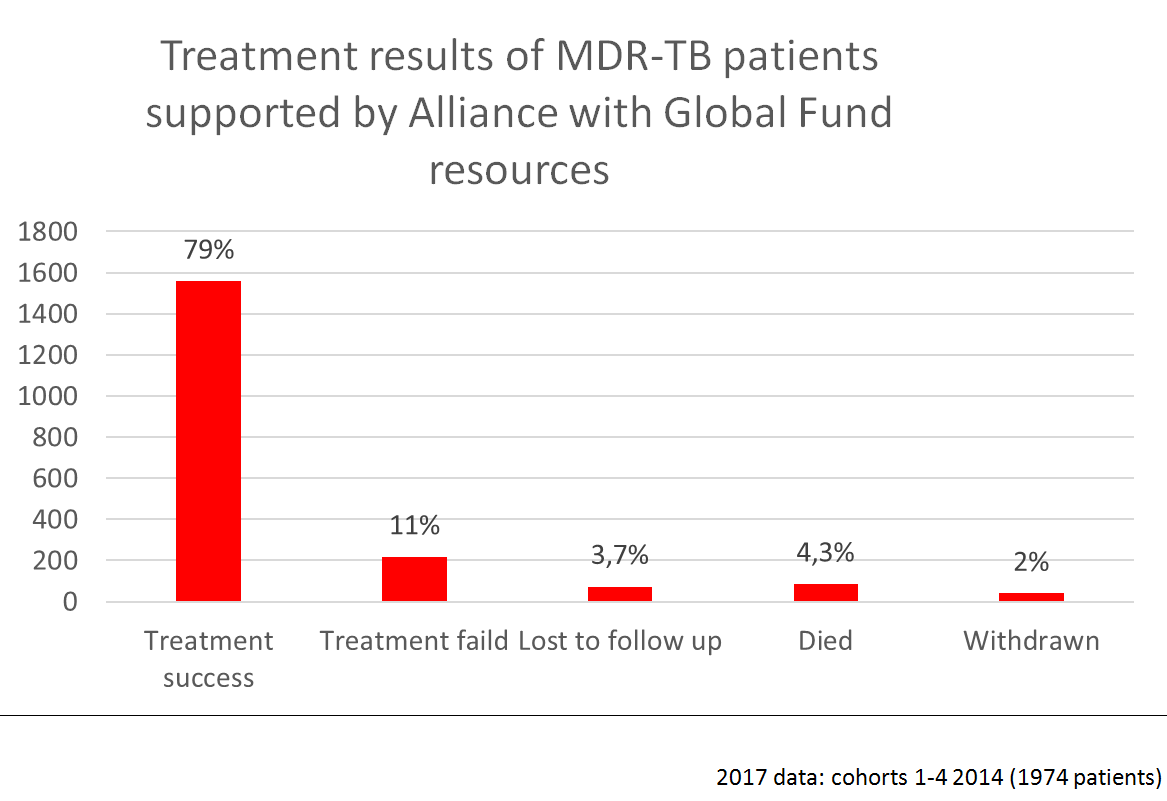
3 Alliance has directed half of its 2017 funding to stopping TB. During 2015-2017 every second MDR-TB patient receiving treatment in Ukraine was treated with drugs that were procured, donated and delivered by the Alliance. Starting from 2018 the government will be in charge of treating all MDR-TB patients with governmental resources. As for the treatment model we are proud that patient-oriented approach implemented by civil society organizations allowed for a nearly twofold increase in treatment success rate – 46% to 79%! Policy support is provided by the recently established in Ukraine Parliamentary TB Platform with 47 MPs joioned!

4 We have made DAA Hepatitis C treatment a reality in Ukraine! Over 2000 patients representing key populations got access to treatment using Sofosbuvir and Harvoni. Those who completed treatment and were tested (1679 patients) showed incredible results – in 95% virus was not detected! The treatment was focused on patients from key populations with or without HIV co-infection, among them 83% of patients were people who inject drugs. Treatment was also provided to 50 military veterans. This year Alliance supplied 1000 HCV rapid
tests to the prison population allowing diagnosis and treatment for 50 prisoners.

5 Ukraine became a model for other countries requesting to learn from us. During 2017 Alliance has been supporting ongoing projects in 15 countries, mostly in Eastern Europe and Central Asia. In 2017 in partnership with Alliance Consultancy technical support was provided to 24 countries:
Armenia, Azerbaijan, Afghanistan, Belarus, Bulgaria, Georgia, Ethiopia, Iran, Kazakhstan, Kenya, Kyrgyzstan, Kosovo, Malawi, Malaysia, Moldova, Nigeria, Pakistan, Russian Federation, Seychelles, Sudan, Tajikistan, Tanzania and Zanzibar, Uganda and Uzbekistan.

6 Exploring new areas and bringing innovations was another feature of 2017 – PrEP, self-testing, starting new program with transgender population, working with Ukrainian military personnel and in conflict areas in the East of Ukraine, boosting TB/HIV fast-track cities response. Alliance was the key advocate to scale up work with transgender people, including allocation of special resources from the Global Fund. We supported transgender movement in the region, conducted a unique assessment with over 600 transgenders in 3
EECA countries. Jointly with PLWH Network the Alliance launched campaign on HIV testing, focusing on self-testing with the visuals and referral to the web-site selftest.org.ua. New oral HIV tests were demonstrated during WAD and piloted in key populations programs.
7 Alliance, PLWH Network and Public Health Center by joining efforts with all key stakeholders together mobilized over USD 150 million for Ukraine’s HIV, TB and Hepatitis response for 2018-2020. The major external funding sources for the country are the Global Fund and PEPFAR. During the year Alliance has managed to attract new funding from 7 other donors.

THE YEAR OF 2018 WILL BE A YEAR OF ENSURING SUSTAINABILITY AND TRANSITION OF ESSENTIAL PREVENTION AND TREATMENT PROGRAMS, AND IT IS OUR JOINT RESPONSIBILITY TO MAKE IT SUCCESSFUL. FOCUS ON COMMUNITIES AND KEY POPULATIONS IS THE MAJOR PRIORITY IN ALLIANCE WORK.

On the New Year eve we are expressing huge thanks and wishing all the best to our partners – over 300 NGOs and medical facilities we are implementing the programs with in and outside of Ukraine, PLWH Network 100% Life, Public Health Center, Ministries we are working with – Health, Youth and Sports, Social Policy, Internal Affairs, Defense, Education
and Science, Justice , Foreign Affairs and other governmental institutions, Members of Parliament, to The Global Fund, PEPFAR, CDC, USAID, French Agency for International Technical Expertise, Elton John AIDS Foundation, Robert Carr civil society Networks Fund, Open Society Foundation, Levi Strauss Foundation, Gilead Sciences Inc., PAS Center, Right to Care, The Swiss Confederation, The Dutch Government, Aidsfonds, International Renaissance Foundation, Yale University, National Development and Research Institutes, Management Sciences for Health and all other donors, to UNAIDS, WHO, UNICEF, UNFPA, UNDP and all other UN agencies, International HIV/AIDS Alliance, TB Europe Coalition,
Stop TB Partnership, AFEW International, licit, Global TB Caucus, Eurasian Key Populations Health Network (EKHN), ECOM, ENPUD, SWAN, TB People, ECUO, EHRA and many many other partners, stakeholders, community groups and leaders! Together we will achieve more in ending AIDS, Tuberculosis and Hepatitis epidemics and saving more lives!

Merry Christmas and Happy New Year!

More
Share
December 26, 2017

City Health International Conference

Alliance of Public Health in partnership with AFEW International (Netherlands), Odesa City Council and Knowledge Action Change (UK) is organizing City Health International 2018. The Conference will be held in the city of Odessa (Ukraine) on September 13-14, 2018.

Founded in 2012, Сity Health International is focuses on health and well-being of people and looks at the following issues such as the use of alcohol, drugs, healthy eating, safe sexual behavior and prevention of violence, as well as factors affecting the health of urban residents. The conference considers a wide range of topics. Representatives from non-governmental organizations, public projects, advocacy groups, as well as scientists and policy makers were invited to participate. You can find additional information about the conference at https://cityhealthinternational.org/2018/

The key theme of City Health International in 2018 – Developing healthy responses in a time of change’. This includes changes in political and societal norms, as well as changes in perceptions and expectations within communities. It also provides scope to tackle the important principle of inclusion, with regard to marginalised individuals and groups.The conference will be held for two days with a planned number of participants of up to 250 people. For the first time a conference of this format will be held in Eastern Europe. Participation of Ukraine in such event opens new opportunities, aimed at resolving public health issues at the city level. It is planned to invite the mayors of Kyiv, Istanbul, Athens and others to strengthen the role of local authorities in strengthening the health of city residents.

Organizers are waiting for abstracts for oral presentations and posters. The deadline for abstracts submission https://cityhealthinternational.org/go2018/ is April 1, 2018. The registration fee for participation in the conference is $ 150 per delegate. A reduced registration fee of $ 100 is provided to participants from Ukraine and low-income and middle-income countries according to the World Bank classification. If you have any questions regarding participation or support of the conference, please contact Maryna Braga, Alliance for Public Health at braga@aph.org.ua

More
Share