How the Touch Point project helps blind veterans in Ukraine rebuild their lives
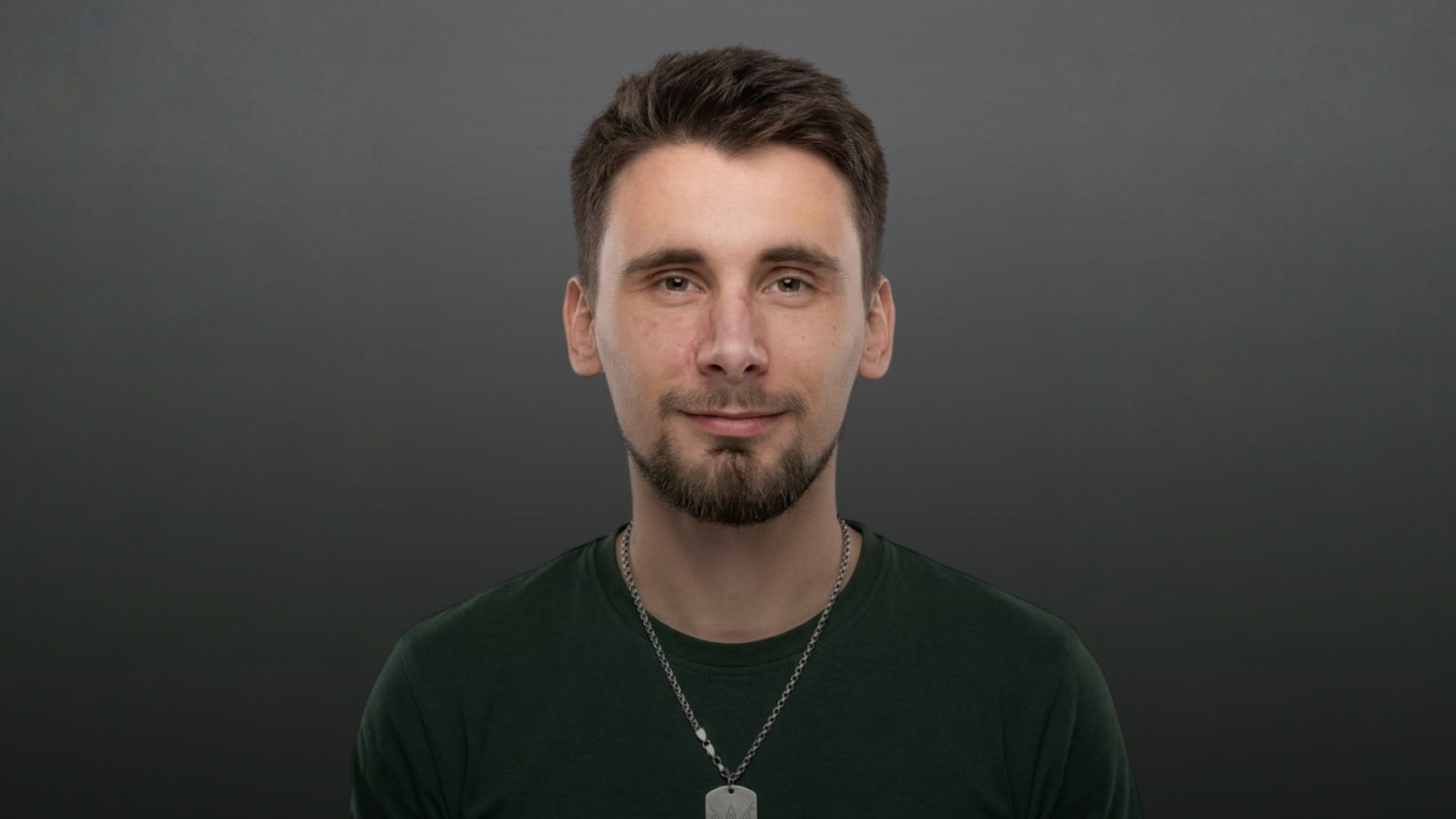
Ivan was only 20 years old when he was serving in the Armed Forces of Ukraine and sustained an injury that caused him to lose his sight. Along with it, he lost his familiar sense of life — independence, confidence, and the ability to navigate the world around him.
After being discharged from the hospital, Ivan and his family spent almost six months without any information about specialised rehabilitation for people who are blind. It felt as if they were left alone with a completely new reality. That is why the Touch Point programme became not just a training course, but the first real step toward regaining independence and rebuilding a normal life.
For almost a year, Ivan’s world was limited to a single room. To go outside, he had to wait for someone from his family to accompany him and help with even the simplest tasks. He listened to audiobooks, but could barely do anything on his own. Even using a phone seemed impossible.
“I didn’t understand how to live anymore or how to cope,” Ivan recalls.
This is the reality faced by hundreds of Ukrainian veterans who have lost their sight due to the war. Without specialised rehabilitation, blindness often leads to isolation, loss of employment, psychological trauma, and dependence on others.
The way back — to oneself and to life
Ivan did not agree to rehabilitation right away. He initially refused offers to join programmes — he did not believe anyone could teach him how to live differently. Only after a year, encouraged by his family, he decided to join the Touch Point programme by the Alliance for Public Health.
That decision changed everything.
Rehabilitation begins with the simplest things — learning to navigate a room, corridors, and stairs — and gradually progresses to independent movement in the city, using public transport, and managing everyday routes. This is how individual recovery journeys become part of a programme that works for dozens of people.
Within just four weeks, Ivan learned how to orient himself in space, use a white cane, and move around the city independently. He gained essential daily living skills — cooking, managing a kitchen, and taking care of himself without assistance.
For the first time, he discovered that modern digital technologies can be accessible to people who are blind — smartphones, laptops, and inclusive applications. Today, he says he uses his phone almost as confidently as someone without visual impairment.
“They helped me understand that I can live a normal life. Most of the limitations were not in me — I simply didn’t know how to adapt,” Ivan says.
Equally important was the sense of community. During the programme, he realised he was not alone. People with similar experiences shared advice, supported each other, and helped rebuild confidence.
The programme is not only important for veterans, but also for their families — those who support them every day and learn how to do so without compromising dignity and independence.
Life after rehabilitation
Today, Ivan’s life is very close to that of any other person.
He works, develops his own business, renovates his workshop, goes fishing, uses a metal detector, cooks, and even grills barbecue on his own. He also supports other blind individuals — helping those who are just beginning their journey after injury.
“If someone had told me two years ago that I would live like this, I would never have believed it. Now, it’s just my normal life,” he says.
Programmes like Touch Point show how targeted rehabilitation not only helps individuals recover, but also strengthens the resilience of entire communities.
About the Touch Point programme
Touch Point — Adaptation for Veterans Who Lost Their Sight — was created to ensure that blind veterans are not left alone with their trauma.
The programme includes:
- mobility and orientation training;
- digital skills development and assistive technologies;
- physical rehabilitation;
- psychological counselling;
- continued support after returning to the community.
The programme was developed in partnership with WHO, Blind Veterans UK, the NGO “Modern View”, other Ukrainian civil society organisations, the Ministry of Veterans Affairs, and the Ministry of Education and Science of Ukraine.
To date, 56 veterans have successfully completed the programme.
Why support matters
Every person who has lost their sight because of the war can rebuild their life — work, support their family, and be an active part of society. But without professional rehabilitation, this path is often impossible.
Ivan puts it simply:
“This is not about pity. It’s about a chance. If you support a person, they can contribute to society and live a full life.”
How to support Touch Point
You can support the programme today:
via direct donation on the Alliance for Public Health platform:
https://donate.aph.org.ua/en/
via GlobalGiving
via alternative digital giving tools on Endaoment
as well as through other fundraising channels used within the campaign
The war has taken the sight of hundreds of Ukrainian veterans. Touch Point helps them regain independence — and this is only possible thanks to support.
This is a real chance to help someone rebuild their life.