January 13, 2026

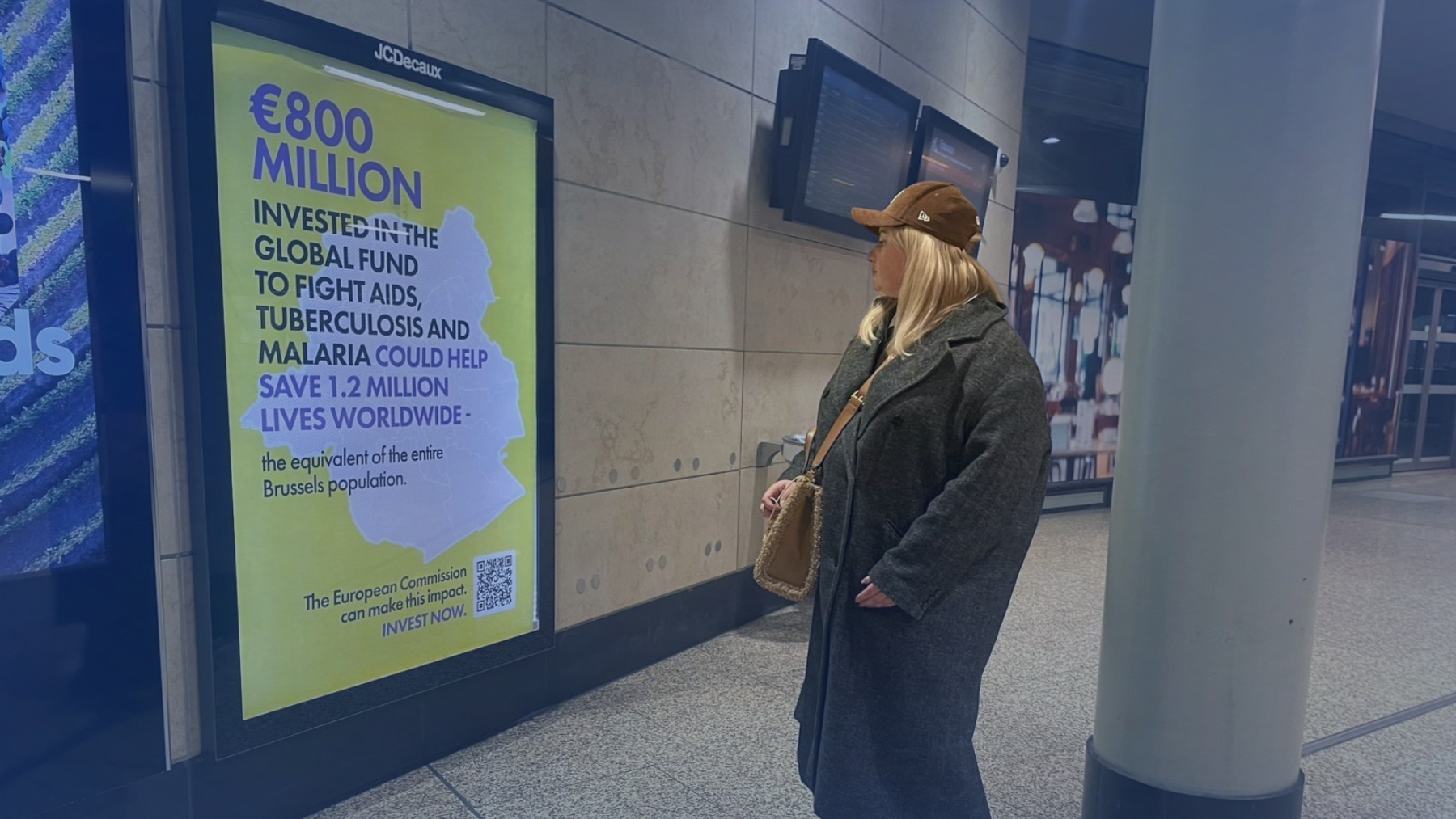
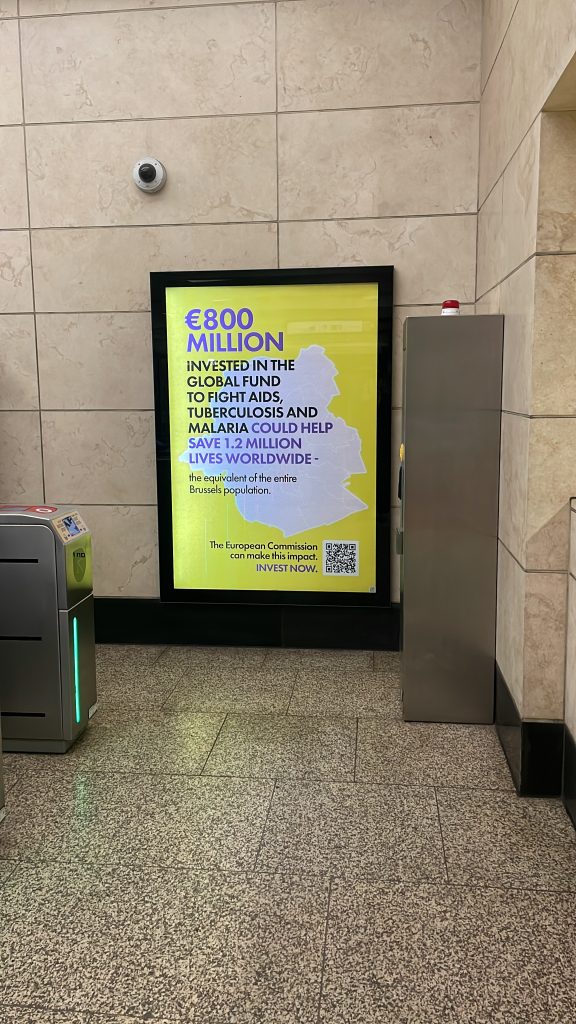
Brussels Metro Campaign Calls on EU to Invest €800 Million in the Global Fund to Save Lives and Secure Futures

Brussels, 13 January 2025

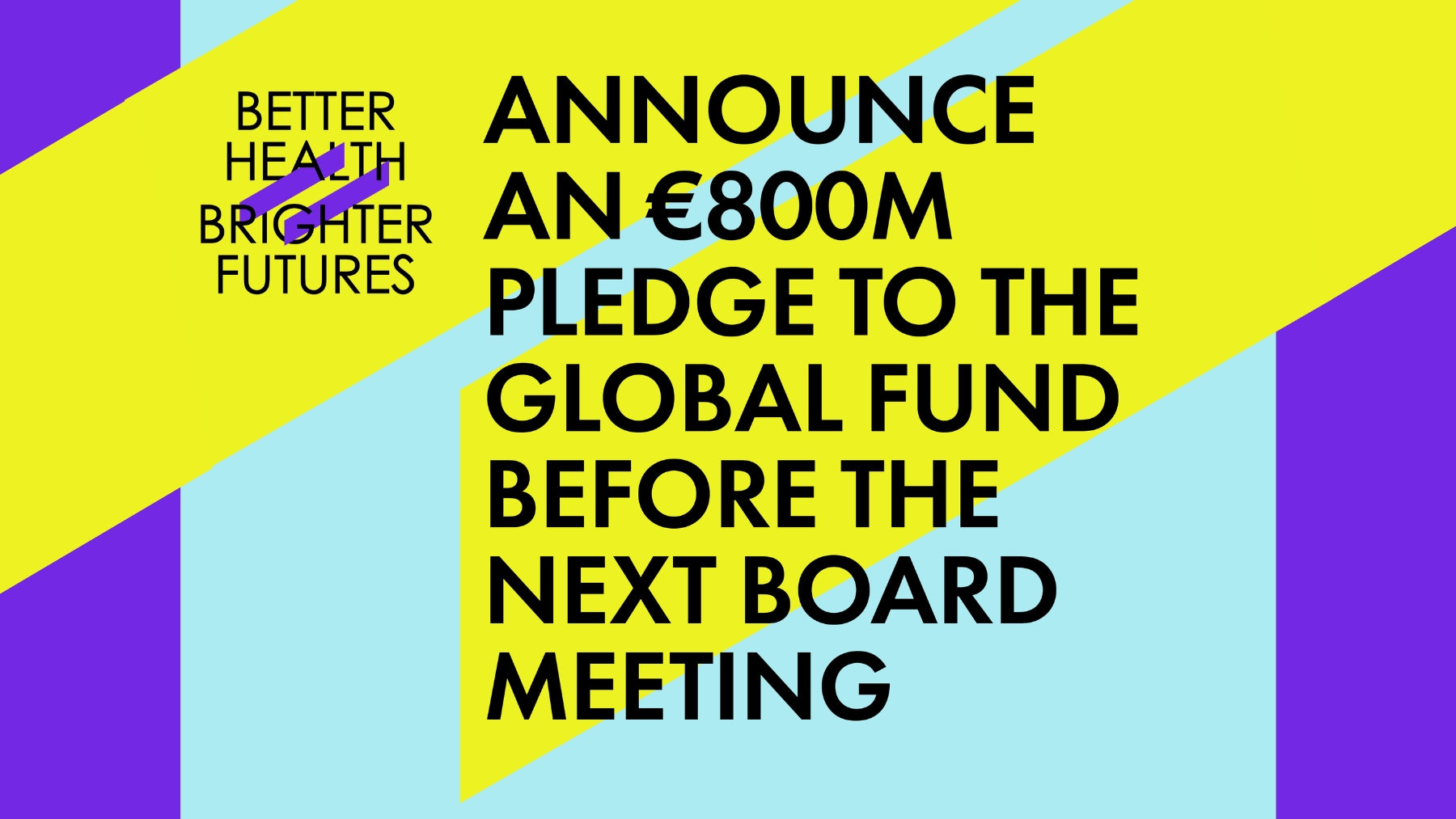
This week, commuters across the Brussels metro are invited to reflect on the real-world impact of global health investment. A commitment from the European Commission of €800 million to the Global Fund could help save up to 1.2 million lives – roughly equivalent to the entire population of Brussels – making clear how vast and human the impact of this investment would be in the fight against AIDS, tuberculosis, and malaria. The campaign is led by Friends of the Global Fund Europe, ONE Campaign, Alliance for Public Health, Global Health Advocates, and Aidsfonds, as part of a broader joint appeal endorsed by 330 organisations across Europe and beyond. Together, they are calling on the European Commission to demonstrate leadership in global health by committing €800 million to the Global Fund ahead of its next Board meeting in February.

1.2 million lives

A €800 million EU contribution could help save up to 1.2 million lives, unlock billions in economic returns and strengthen health systems worldwide. This investment would support countries to better prevent and respond to outbreaks, accelerate innovation, uphold human rights and gender equality, and build resilient health systems capable of adapting to climate change. It would also help communities transition towards long-term self-reliance – delivering impact far beyond health alone.

Funding not yet committed

Despite its longstanding role as a champion of global health, the European Commission did not pledge at the Global Fund replenishment summit that took place last November, on the side of the G20 Summit in Johannesburg. Without sufficient investment, prevention slows, treatment is delayed, and lives are lost. In February, the Global Fund will hold its Board meeting, where country allocations will be decided – announcing a pledge before the Board meeting is critical to enabling the Global Fund to allocate resources on time and to prevent interruptions to country programmes.

As COVID-19 showed, diseases know no borders. Supporting the most affected countries helps protect everyone, inside and outside of Europe.

Why the Global Fund matters

Created in 2002 with the support of the European Commission, the Global Fund to fight AIDS, Tuberculosis and Malaria is a unique partnership that mobilizes and invests resources worldwide to end three of the deadliest infectious diseases and strengthen health systems. To date, the Global Fund has saved 70 million lives, transforming communities once devastated by these diseases. Its impact goes beyond health – keeping children in school, strengthening economies, and enabling communities to plan for a healthier, more secure future.

Europe can make this impact. Now is the moment to act, for a safer world for us all.


Quotes

Kasia Lemanska, EU Representative, Aidsfonds: “€800 million is not an abstract number. It represents up to 1.2 million lives saved – roughly the equivalent of everyone living in Brussels. This campaign shows, in the most tangible terms, what is at stake for millions of people around the world.”

Héloïse Levallois, Policy & Advocacy Senior Manager – EU Institutions, ONE Campaign: “The Global Fund shows what collective action delivers: over 70 million lives saved since 2002. But this progress is fragile. At a time of slowing health financing and deep aid cuts, a €800 million EU pledge is a strategic choice that protects lives, strengthens economies and reinforces Europe’s global leadership.”

Hélène Berger, Executive Director, Friends of the Global Fund Europe: “The Global Fund is a unique partnership model, bringing together governments, communities, the private sector, civil society and many more stakeholders to deliver transformative impact that reaches far beyond the fight against the three diseases. Committing to the Global Fund represents both a strategic choice and an act of global solidarity at a moment when the world needs it most.”

Antonio Gambini, Advocacy and Policy Officer, Global Health Advocates: “President von der Leyen said in her SOTEU address last September that Europe must take the lead on global health. This political ambition has to translate into actual concrete financial commitments, equivalent to the EU’s fair share of 800m€, which will help sustain the vital work carried out by the Global Fund to eradicate HIV, TB, and malaria.”

Inna Gavrylova, Senior PR & Communications Manager, Alliance for Public Health: “From our work on the frontlines in Ukraine and across Eastern Europe and Central Asia, we see every day how Global Fund support saves lives. This is why the EU’s €800 million commitment is urgently needed. As a key donor, the EU’s pledge will determine whether lifesaving HIV and TB services continue without interruption. Without timely funding, essential services risk interruption, and the consequences for the most vulnerable populations can be devastating.”

Further information:

Lead organizations:

  • Friends of the Global Fund Europe: Advocates for strong European leadership and investment in the Global Fund and global health initiatives. https://friendseurope.org/
  • ONE Campaign: A global movement campaigning to end extreme poverty and preventable disease, particularly in Africa. https://www.one.org/us/
  • Alliance for Public Health: Works to strengthen public health systems and fight epidemics in Eastern Europe and Central Asia. https://aph.org.ua/en/home/
  • Global Health Advocates: Promotes policies and resources to improve health and fight poverty worldwide. https://www.ghadvocates.eu/
  • Aidsfonds: Dedicated to ending AIDS by funding research, prevention, and care programs globally. https://aidsfonds.org/

More
Share
December 24, 2025

Season’s Greetings from the Alliance for Public Health

As the year comes to an end, we just want to say thank you for being with us.
For 25 years, the Alliance for Public Health has been standing side by side with people and communities: through change, crisis, and moments of hope. And we’ll keep moving forward together.
Wishing you peaceful holidays, time to rest, and renewed strength for the year ahead, for you, your loved ones, and the communities we care about.
We also express our deep gratitude to the Armed Forces of Ukraine, who every day defend not only our country, but also the values of freedom, dignity, and peace.

More
Share
December 19, 2025

APH Welcomes the Bethlehem Peace Light

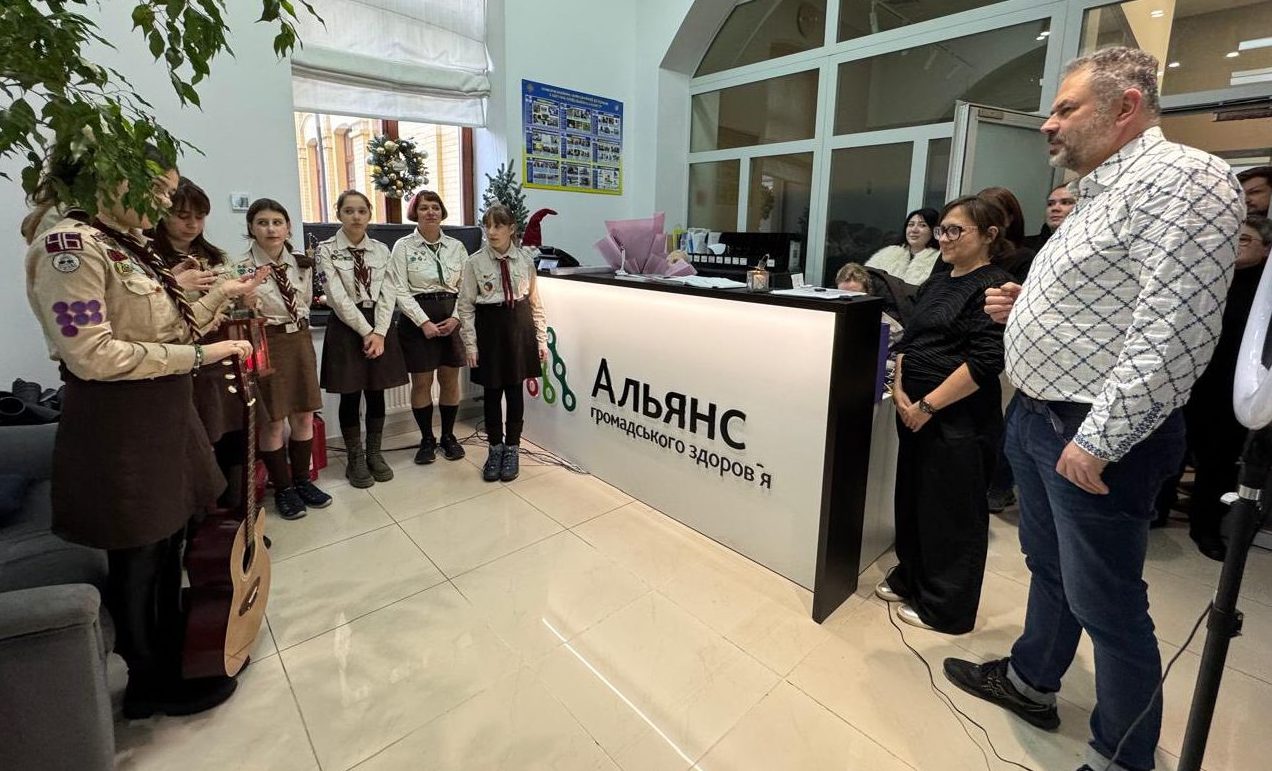
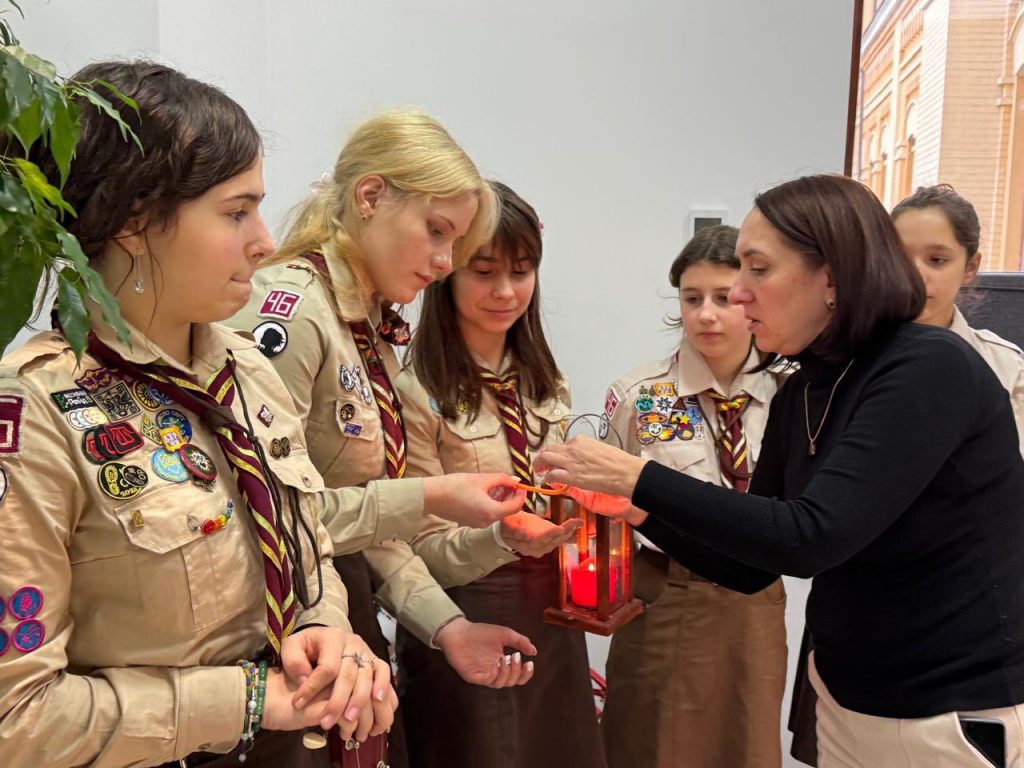
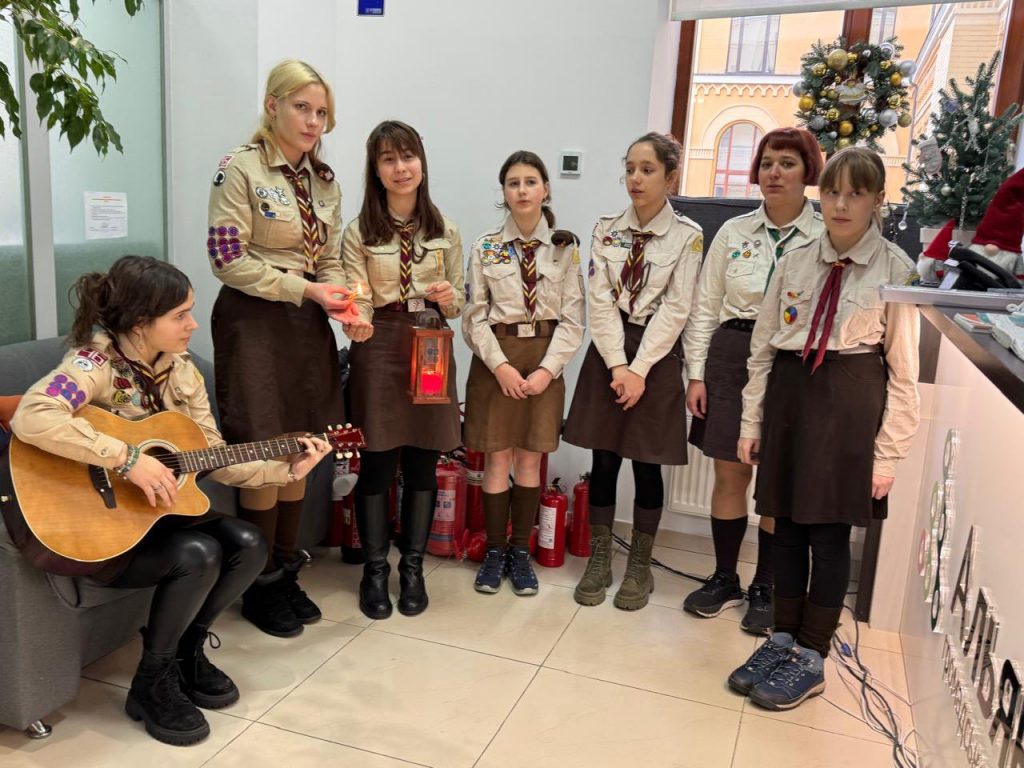
Today, at APH office, we had the honor of receiving the Bethlehem Peace Light, kindly brought to us by Plast as part of the traditional pre-Christmas events. This symbolic flame carries a message of goodness, support, and unity.

Andriy Klepikov, Executive Director of the Alliance for Public Health, thanked the Plast members for carrying out this important mission and for preserving the tradition. He noted that the Light is a symbol of goodness and faith – not only faith in God but also faith in Ukraine’s victory. Everyone had the opportunity to light their own candle from the Bethlehem Light, feeling the warmth and power of this tradition.

Plast is the largest youth organization in Ukraine, and we greatly value our collaboration with youth movements that spread light, hope, and goodness.

The Peace Light inspires us to continue our mission – supporting health and strengthening communities. This borderless symbol of goodness resonates deeply with our global goal: healthy communities for all.

More
Share
December 17, 2025

From Brussels to the World: Europe’s Power to Save Lives

Investing €800 million in the Global Fund doesn’t just prevent and treat deadly diseases – it secures the future for up to 1.2 million people facing AIDS, tuberculosis and malaria. That’s more than the entire population of Brussels. This is the impact of European action.

This is a call by: Friends of the Global Fund Europe, ONE Campaign, Alliance for Public Health, Global Health Advocates and Aidsfonds as part of a broader joint call endorsed by 330 organisations.

What’s the Global Fund?

It is a partnership created in 2002 that raises and invests money around the world to end three of the deadliest infectious diseases.

What has it achieved?

The Global Fund has saved 70 million lives – and with them, the futures of entire communities once torn apart by AIDS, tuberculosis and malaria. More children are in school. More people are healthy enough to work. More communities can plan for tomorrow.

What’s the problem now?

At the most recent replenishment conference, the European Commission –  one of the founding members of the Global Fund – was not able yet to commit funding.

Every three years, the Global Fund partners to help keep its life-saving work going. This is one of those moments. But right now, less money is coming in. This means slower prevention, delayed treatment, and people left without care. And the impact doesn’t stop there. As COVID-19 showed, diseases know no borders. Investing in the countries most affected helps protect us all – including here in Europe.

What are we asking?

We are calling on the European Commission to commit €800 million to the Global Fund before the Fund’s next board meeting when decisions are made about support for countries.. This investment could help save up to 1.2 million lives –  the equivalent of the entire Brussels population. It could also unlock billions in economic returns, strengthen health systems, accelerate access to innovations,  improve preparedness for future outbreaks, maintain life-saving services in countries affected by war, advance human rights and gender equality, help communities adapt to climate change, support countries’ transition to self-reliance and so much more.

Europe can make this impact. Now is the moment to act, for a safer world for us all.

More
Share
December 10, 2025

International Human Rights Day: When Declarations Are No Longer Enough

On December 10, the world marks International Human Rights Day — the anniversary of the adoption of the Universal Declaration of Human Rights, which proclaimed that all human beings are born free and equal in dignity and rights. Yet in reality, for millions of people these words still do not fully work due to barriers, stigma, and discrimination: rights are declared, but the ability to exercise them and effective protection are still not guaranteed.

Human rights are about everyday realities: the ability to seek services or assistance without fear, to receive quality and timely care, and to overcome obstacles on the way to basic needs — health, safety, and dignity. However, even where the right to health is formally recognized, equal treatment and fair conditions are often not ensured. Stigma, discrimination in healthcare settings, difficulties in interactions with law enforcement, and delays in treatment frequently result in people being unable to receive timely assistance and defend their rights. In such situations, human rights violations have direct consequences for health and life.

Despite the fact that the principles of equality and non-discrimination are enshrined in international documents, for many people rights still remain declarations without real protection mechanisms. Where there is no protection, rights themselves lose their power.

Even when a person formally has a right, without the ability to defend it, that right remains vulnerable. Human rights protection is not an abstract concept, but concrete actions: the ability to file a complaint, receive legal support, restore violated rights, and hold perpetrators accountable. It is precisely this that determines whether a right becomes a real tool of safety and dignity or remains just a line in a document.

The consequences of human rights violations in the field of healthcare are similar across many countries: delays or denial of treatment leading to higher risks of complications, chronic illness and premature death; deterioration of mental health due to stigma, exclusion and constant fear of seeking help; deepening social inequality; and erosion of trust in healthcare systems, which reduces access to prevention, testing and treatment and undermines public health overall.

International Human Rights Day reminds us every year that rights do not work automatically. When a person cannot exercise their rights or lacks real protection, civil society often becomes the crucial link that turns rights into real assistance.

In Ukraine and in 13 other countries of Eastern Europe and Central Asia (EECA), Alliance for Public Health is implementing the REAct (Rights – Evidence – Action) system — a tool for documenting human rights violations affecting key communities vulnerable to HIV and tuberculosis.

Since the launch of the system in 2019, with the support of 202 non-governmental organizations and 360 REActors, more than 35,000 cases of human rights violations against representatives of key communities have been registered.

Despite different national contexts, the typical violations remain strikingly similar: stigma and discrimination in healthcare settings, denial of services, breaches of confidentiality, poor quality medical care, and unlawful actions by law enforcement.

Paralegals from partner organizations not only document these cases, but also provide paralegal консультації, accompany people in overcoming barriers to accessing services, and assist in protecting their rights.

These services are critically important, as they make it possible to restore violated rights, receive necessary assistance, and mitigate the impact of discrimination on people’s lives and health. Overcoming barriers to access is not an abstract goal, but a concrete step toward real protection of dignity and safety.

Today, on International Human Rights Day, we once again emphasize: rights must be not just loud words, but a real mechanism of action and protection.

ICF “Alliance for Public Health” expresses sincere gratitude to all partner organizations, every REActor, for their daily dedication, professionalism, and principled stance in defense of human rights, as well as to all clients — for their trust, courage to seek help, and resilience in these extremely challenging times.

More
Share
December 03, 2025

330 organisations call for EC pledge ahead of Global Fund board meeting

330 organisations from around the world — including Alliance for Public Health and more than 140 Ukrainian civil society, community, and public health organisations — are calling on the European Commission to confirm a €800 million pledge to the Global Fund ahead of the February 2026 Board Meeting.

On November 21, donors fell short of the Global Fund’s USD 18 billion replenishment target. While the global context is challenging, the gap is deeply concerning: HIV, TB and malaria programmes are already under pressure from shrinking overseas development assistance and growing humanitarian needs.

A timely and ambitious pledge from the European Commission is critical to:

  • enable the Global Fund to allocate resources on time
  • prevent interruptions to lifesaving country programmes
  • unlock approximately €400 million in US matching funds
  • uphold Europe’s leadership in global health

For Ukraine, the stakes are especially clear. Even amid full-scale war, Global Fund support keeps HIV and TB services operational despite missile strikes, displacement, and damaged health infrastructure. Mobile teams reach frontline areas; digital tools and innovations are deployed in real time; communities, doctors and outreach workers continue saving lives under extraordinary conditions.

Ukraine’s experience underscores a simple truth: investing in global health is a matter of global security, resilience, and shared values.

A stronger outcome is still possible — and the European Commission and EU Member States can play a decisive role.

Read the full statement and the list of 330 signatories:

More
Share
December 02, 2025

Alliance for Public Health Recognized by Ukraine’s Military Medical Forces

Alliance for Public Health received a Letter of Appreciation from the Commander of the Medical Forces of the Armed Forces of Ukraine, Major General of the Medical Service Anatolii Petrovych Kazmirchuk.

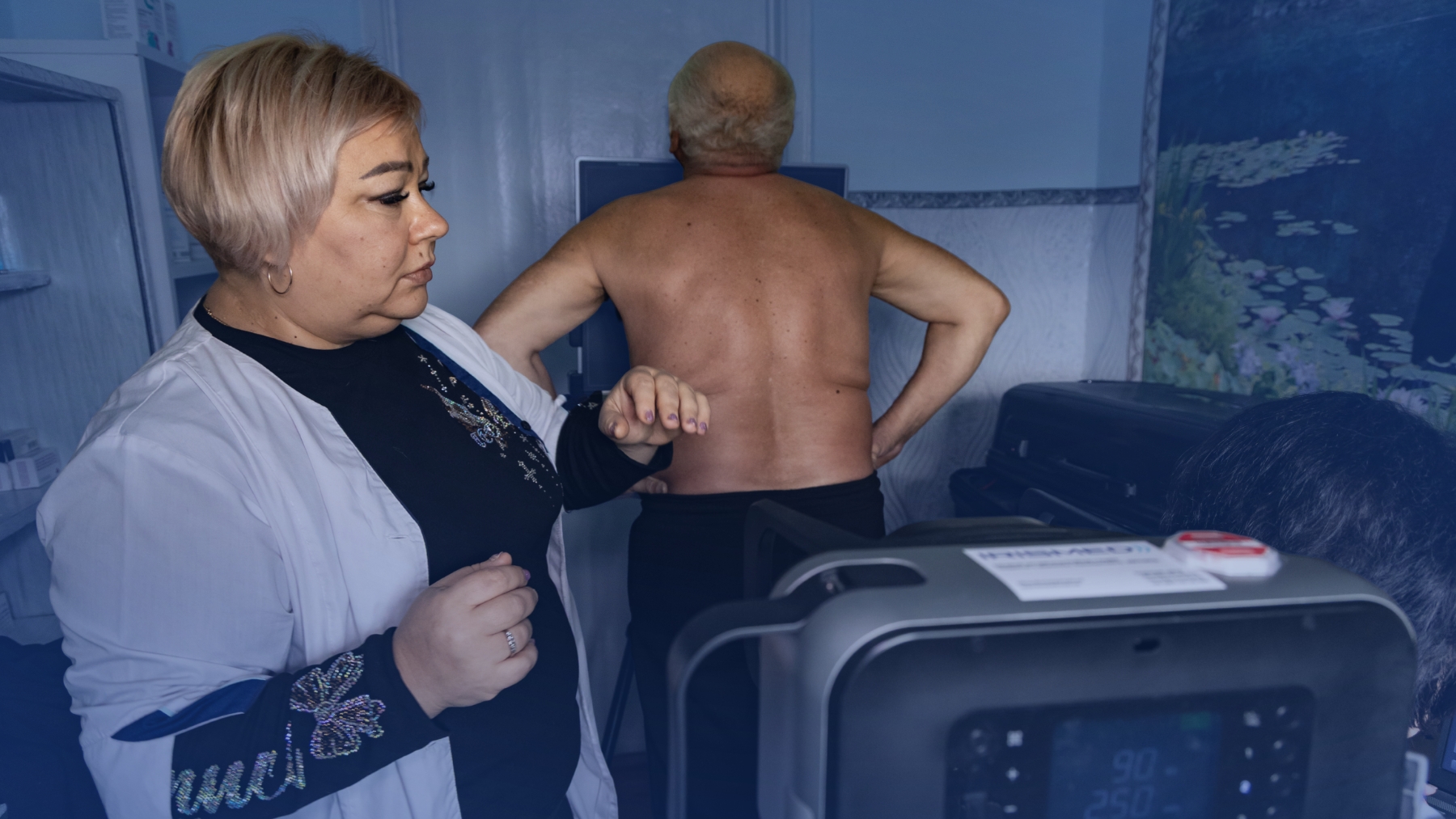
We sincerely thank him for this honorable recognition of our work in testing servicemen for HIV and viral hepatitis, as well as diagnosing tuberculosis and other respiratory diseases using specially equipped mobile clinics.

Special thanks to Serhii Oleksandrovych Morhun, Head of the Sanitary-Epidemiological Department of the Medical Forces Command of the Armed Forces of Ukraine, for his fruitful collaboration.

We continue to work together for Victory!

More
Share
December 01, 2025

Alliance for Public Health Marks 25 Years: Leading Change. Saving Lives. Shaping the Future

December 1, 2025


The Alliance for Public Health (APH) celebrates 25 years of lifesaving impact – a quarter century of decisive action, innovation, and reaching the most affected communities, even amidst the challenges of war.

We sincerely thank all our partners and donors, civil society and community representatives, volunteers, social and healthcare workers, nurses, and doctors who have worked tirelessly on the ground, ensuring that lifesaving services reach those who need them most. We are truly thankful to the Ukrainian army protecting us from russian invaders, and allowing us to do life-saving work.


“Twenty-five years ago, we stood at the very beginning of Ukraine’s response to the HIV epidemic. Since then, we have expanded our work to tuberculosis and hepatitis, reaching the most affected communities and building innovative, community-led solutions. Our mobile health fleet – now sixty vans across the country – brings not only HIV, TB, and viral hepatitis testing to remote and frontline areas, but also essential primary healthcare where it is needed most.
We provide humanitarian assistance to those most impacted by the war and help develop inclusive services for veterans and civilians living with war-related injuries. 1.6 million Ukrainians received support from APH since the beginning of the full-scale war. Ukrainian expertise in preparedness, resilience, program solutions, and innovations are highly demanded globally: during 25 years of work we have provided expert technical assistance to over 60 countries.
Our journey over these 25 years is based on our values, drive, and professionalism. Our fundamental principle is ultimate dedication to win the fight for the health and lives of our people! We have many things ahead of us: rebuilding Ukraine, transforming the health system to be more efficient and transparent, recovering and supporting those suffering the most, bringing innovations into reality, ending HIV, tuberculosis, and viral hepatitis, and addressing any emerging challenges on our way!”

– Andriy Klepikov, Executive Director, Alliance for Public Health

25 Years of APH: Key Results

5 million people have been reached and protected through our programmes over 25 years.

Over 1.6 million people benefited from APH support during full-scale war.

42% of newly diagnosed HIV cases in Ukraine, and every second patient starting ART, receives care through APH programs.

Over 60 countries globally benefited from our expertise and support.

Recognized as transparent and accountable: 7th among Ukraine’s Top 100 charitable organizations, and 4th among humanitarian organizations by Forbes.

Discover all the key achievements of APH over 25 years that have changed the course of epidemics in our full

We invite you to explore our 25th anniversary landing page: 
https://stories.aph.org.ua/APH25

Explore the 25 Years Results Report


Explore the EECA Results Report


More
Share
November 17, 2025

World Hepatitis Testing Week 2025: Alliance for Public Health Joins the Global Campaign

The Alliance for Public Health (APH) joins the global campaign – World Hepatitis Testing Week (WHTW) 2025, to draw attention to the importance of testing for hepatitis B and C.

From 18 to 24 November, awareness activities and hepatitis testing are carried out worldwide. Together with partners in Ukraine, Nigeria (DAPHO) and Kyrgyzstan (Partner Network Association), APH organizes testing through mobile clinics, community-based centers, and outreach activities to reach people most affected by hepatitis. By providing free testing, we help people learn their status and start treatment on time.

“Testing is the first step to ending hepatitis. During World Hepatitis Testing Week 2025, we are strengthening our efforts to make testing more accessible and reduce the burden of hepatitis in the communities we serve,” said Andriy Klepikov, Executive Director of the Alliance for Public Health.

According to the World Health Organization (World Hepatitis Report 2024), around 3,500 people die every day from hepatitis B and C, and approximately 6,000 new infections are recorded daily. Globally, an estimated 254 million people live with hepatitis B and 50 million with hepatitis C.

For more than 13 years, APH has been implementing comprehensive hepatitis C programs in Ukraine – from free testing and treatment to digital innovations that bring services closer to people.

“To end hepatitis C, we must be patient-centered and enable people to start treatment on the day of their first positive test. Today, this is possible – and we are expanding such programs in Ukraine and globally,” said Tetiana Deshko, Director of the International Programs Department at the Alliance for Public Health.

APH is a partner of the international consortium implementing the project “HCV Innovate Involve Inspire (HepC III)” together with Frontline AIDS and supported by Unitaid. The project introduces an innovative hepatitis C testing and treatment model for people who use drugs in Kyrgyzstan, Nigeria and Egypt.

Join the global campaign from 18 to 24 November 2025!
Let’s make hepatitis testing a priority for everyone.
More information at heptestweek.org.


More
Share
October 17, 2025

APH shares its experience implementing AI in HIV prevention and care at EACS 2025

15–18 October, Paris hosted the 20th European AIDS Conference (EACS 2025) — a key international event in HIV response that brought together scientists, clinicians, researchers, and community representatives to discuss innovative approaches in HIV prevention, treatment, and care, including digital technologies and the use of artificial intelligence (AI). 

Tetiana Deshko, Director of the Department of International Programs at Alliance for Public Health, participated in the conference, held meetings with partners from various countries in the region, and shared experiences in implementing innovative solutions in Eastern Europe and Central Asia that increase the effectiveness of HIV testing and early treatment initiation.

Tetyana’s presentation took place within the parallel session “How can AI be used to advance in HIV prevention, treatment and care?”, which explored current AI applications in HIV prevention, case finding, treatment, and care, while also discussing scientific, medical, ethical, and privacy challenges.

“AI is a technology that, together with biomedical advances such as lenacapavir and the focused work of communities, can help achieve global HIV targets,” said Tetiana Deshko.

Key innovations presented:
✅ TWIIN – an innovative AI-powered virtual consultant, available 24/7 at twiin.aph.org.ua , on mobile phones or any device. The service covers HIV, tuberculosis, addictions, and mental health. All digital “humans” are real social workers and community representatives. Implemented within the iSoS regional partnership, supported financially by The Global Fund.

✅ Machine learning applications to optimize detection of new HIV cases, increasing testing efficiency in high-risk networks and supporting early treatment initiation using predictive algorithms.

✅ Help24 TeleHealth — a telemedicine platform developed under Ukraine’s National Telemedicine Strategy, providing access to HIV, STI, and mental health services for vulnerable populations (127,192 services provided to date, help24.org.ua/en).

✅ AI in Business Continuity Planning (BCP) for HIV organisations — automated risk forecasting, intelligent crisis response support, and democratised access to expert training for organizations of any size. Implemented by Social Equation Hub, within the iSoS regional partnership.

Tetiana demonstrated how integrating data from multiple sources and using predictive algorithms helps identify people in need faster and make life-saving decisions, even under war conditions.

More
Share